
Roy A. Rothman, DPM, PA
Podiatric Medicine and SurgeonFoot & Ankle Specialist
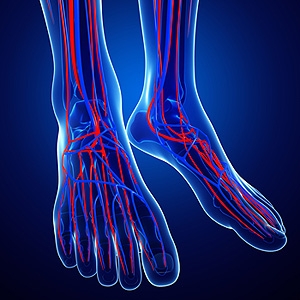
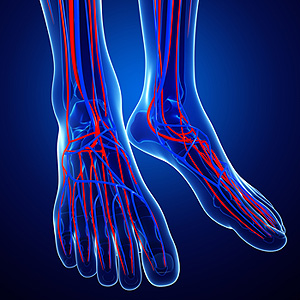 Raynaud’s disease is a disorder that causes temporarily reduced blood flow to the hands and feet. The reduction in blood flow is due to a contraction of the smooth muscles controlling the small arteries that supply blood to the hands and feet. This contraction is also known as a vasospasm. In people with Raynaud’s disease, vasospasms may be triggered by stress or cold temperatures. These can lead to the affected areas becoming numb, cool to the touch, and white or bluish in color. When blood flow returns to normal, the affected areas may throb, tingle, or turn red. If you have symptoms of Raynaud’s disease in your feet, a podiatrist can teach you how to manage this condition.
When dealing with systemic disease of the feet, it is extremely important to check the affected areas routinely so that any additional problems are caught quickly. If you have any concerns about your feet and ankles contact Roy Rothman, DPM from Florida. Our doctor will assist you with all of your podiatric needs.
Systemic Diseases of the Feet
Systemic diseases affect the whole body, and symptoms usually are displayed in the feet. This condition can make a patient’s ability to walk unbearable. Systemic diseases include gout, diabetes mellitus, neurological disorders, and arthritis.
Gout – is caused by an excess of uric acid in the body. Common symptoms include pain, inflammation, and redness at the metatarsal/phalangeal joint of the base big toe. Gout can be treated by NSAIDs to relieve pain and inflammation, and other drugs that lower the acid levels in the body.
Diabetes mellitus – is an increase in the level of blood sugar that the body cannot counteract with its own insulin. Failure to produce enough insulin is a factor in Diabetes.
Diabetes of the Feet
Diabetic Neuropathy – may lead to damaged nerves and affect the feet through numbness and loss of sensation.
Peripheral Vascular Disease – can restrict the blood flow to the feet, and often times lead to amputation of the feet.
If you have any questions please contact our office located in DeBary, FL . We offer the newest diagnostic and treatment technologies for all your foot and ankle needs.
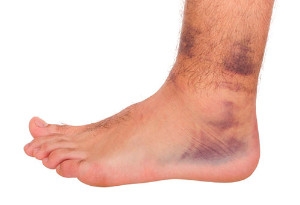
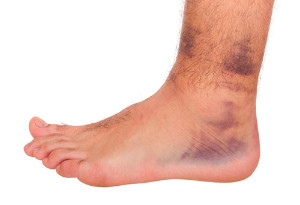 Ankle sprains occur as damage or a tear to the ligaments surrounding the ankle. Ankle sprains most commonly occur when the ankle is twisted inward (inversion), but they may also occur when the ankle twists outward (eversion). Sprains are categorized into three tiers. A first degree sprain is generally mild, and the ankle is weakened. A second degree sprain results in a swollen and bruised ankle, and walking can be difficult and painful. Sprained ankles that are unstable and unable to bear weight are considered to be third degree sprains. These sprains usually cause the whole ankle to swell, and the nerves and cartilage may be damaged as well. Those who have severely sprained their ankle should consult with a podiatrist. A podiatrist will make sure that the ankle has not been fractured and will provide options to stabilize the ankle to help it heal.
Although ankle sprains are common, they aren’t always minor injuries. If you need your ankle injury looked at, contact Roy Rothman, DPM from Florida. Our doctor can provide the care you need to keep you pain-free and on your feet.
How Does an Ankle Sprain Occur?
Ankle sprains are the result of a tear in the ligaments within the ankle. These injuries may happen when you make a rapid shifting movement while your foot is planted. A less common way to sprain your ankle is when your ankle rolls inward while your foot turns outward.
What Are the Symptoms?
Preventing a Sprain
Treatment of a Sprain
In many cases, the RICE method (Rest, Ice, Compression, and Elevate) is used to treat ankle sprains. However, you should see a podiatrist to see which treatment option would work best with your injury. In severe cases, surgery may be required.
It is important to ask your doctor about rehab options after you receive treatment for your injury. Stretching, strength training, and balance exercises may help the ankle heal while also preventing further injury.
If you have any questions, please feel free to contact our office located in DeBary, FL . We offer the newest diagnostic and treatment technologies for all your foot care needs.
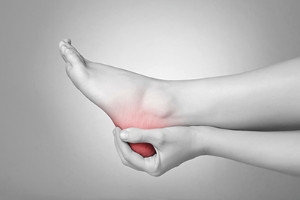
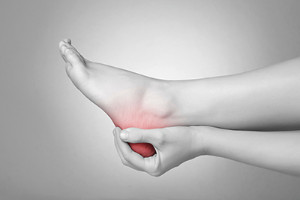 Heel pain affects roughly 1 out of every 10 people in the world, particularly runners and those between the ages of 40 and 60. Heel pain generally builds up and worsens over time, and most commonly it is a result of damage to the plantar fascia. The plantar fascia is the band of tissue that runs along the sole of the foot and connects the heel bone to the toes. Any damage, whether it is sudden or reoccurring over time, will cause the plantar fascia to thicken, along with the surrounding tissues and heel bone. This is known as plantar fasciitis. Other less common sources of heel pain include stress fractures, bursitis, wearing of the fat pad under the heel, or a heel spur. If you are suffering from heel pain, it is important to consult with a podiatrist to receive a proper diagnosis. Once the source of the pain is determined, your podiatrist will be able to provide treatment options for your specific condition.
Many people suffer from bouts of heel pain. For more information, contact Roy Rothman, DPM of Florida. Our doctor can provide the care you need to keep you pain-free and on your feet.
Causes of Heel Pain
Heel pain is often associated with plantar fasciitis. The plantar fascia is a band of tissues that extends along the bottom of the foot. A rip or tear in this ligament can cause inflammation of the tissue.
Achilles tendonitis is another cause of heel pain. Inflammation of the Achilles tendon will cause pain from fractures and muscle tearing. Lack of flexibility is also another symptom.
Heel spurs are another cause of pain. When the tissues of the plantar fascia undergo a great deal of stress, it can lead to ligament separation from the heel bone, causing heel spurs.
Why Might Heel Pain Occur?
Treatments
Heel pain should be treated as soon as possible for immediate results. Keeping your feet in a stress-free environment will help. If you suffer from Achilles tendonitis or plantar fasciitis, applying ice will reduce the swelling. Stretching before an exercise like running will help the muscles. Using all these tips will help make heel pain a condition of the past.
If you have any questions, please feel free to contact our office located in DeBary, FL . We offer the newest diagnostic and treatment technologies for all your foot care needs.
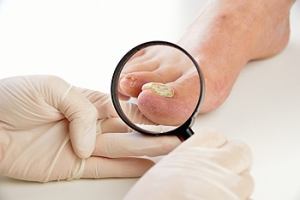
 Fungal nail infections, also known as onychomycosis, can cause the nails to become thick, yellow, and crumbly. Fungal nail infections are usually not painful unless they become severe. Small cracks in the nail or the skin surrounding the nail allow for fungi to come into the nail and infect it. Those who have an injury to the nail, are diabetic, or have a weakened immune system, are said to be at a higher risk of developing a fungal nail infection. Fungi often thrive in warm, moist environments, such as locker rooms and public pools, and the fungi tend to spread to others while in these areas. Because antifungal medication or removal of the nail may be necessary to get rid of the infection fully, those who are experiencing a fungal nail infection should consult a podiatrist.
For more information about treatment, contact Roy Rothman, DPM of Florida. Our doctor can provide the care you need to keep you pain-free and on your feet.
Toenail Fungus Treatment
Toenail fungus is a condition that affects many people and can be especially hard to get rid of. Fortunately, there are several methods to go about treating and avoiding it.
Antifungals & Deterrence
Oral antifungal medicine has been shown to be effective in many cases. It is important to consult with a podiatrist to determine the proper regiment for you, or potentially explore other options.
Applying foot powder on the feet and shoes helps keep the feet free of moisture and sweat.
Sandals or open toed shoes – Wearing these will allow air movement and help keep feet dry. They also expose your feet to light, which fungus cannot tolerate. Socks with moisture wicking material also help as well.
If you have any questions please contact our office located in DeBary, FL . We offer the newest diagnostic and treatment technologies for all your foot and ankle needs.


Gout is a painful, inflammatory form of arthritis. Those affected will typically feel an intense stiffness in the joints of their feet, particularly in the big toe. Schedule a visit to learn about how gout can be managed and treated.

 Prior to choosing the right running shoe for you, there are several important factors to consider. One of these is the pronation of your foot. Pronation refers to the rolling of the foot from the heel to the toe when your foot strikes the ground while you walk. Ideally, your foot should strike the ground with the outside of the heel and move up to the ball of your foot evenly. People who have overpronation roll the foot too much towards the inside while they walk. People who have underpronation roll the foot too much to the outside while walking. Your gait pattern can help determine what the best running shoe for you looks like. For example, if you have overpronation, you may want to opt for a shoe that offers motion control and stability. For more information on how to pick the best running shoes for you, consult with a podiatrist today.
If you are a runner, wearing the right running shoe is essential. For more information, contact Roy Rothman, DPM from Florida. Our doctor can provide the care you need to keep you pain-free and on your feet.
Choosing the Right Running Shoe for Your Foot Type
To increase performance and avoid the risk of injury, it is important to choose the right running shoe based on your foot type. The general design of running shoes revolves around pronation, which is how the ankle rolls from outside to inside when the foot strikes the ground.
If you have any questions please feel free to contact our office located in DeBary, FL . We offer the newest diagnostic and treatment technologies for all your foot and ankle needs.


 Follow Us