
Roy A. Rothman, DPM, PA
Podiatric Medicine and SurgeonFoot & Ankle Specialist


Hammertoes are a deformity where the toe bends at the middle joint, causing the tip to curl downward, resembling a hammer. This condition can affect any of the smaller toes and is categorized into flexible hammertoes, which are still movable at the joint. Rigid hammertoes are defined as tight tendons causing the joint to become misaligned and immobile. Hammertoes develop over time, often due to wearing ill-fitting shoes that squeeze the toes or cause them to bend. High heels or narrow shoes are common culprits. Genetics, certain diseases like arthritis, and trauma can also contribute to their formation. People with unusually long toes, flat feet, or high arches are more susceptible. Diagnosis typically involves a physical examination, and in some cases, X-rays to assess the extent of the deformity. Treatment options range from changes in footwear and custom orthotic devices to surgery in severe cases. If you have a hammertoe that is causing you discomfort, it is suggested that you visit a podiatrist for an accurate diagnosis and treatment options.
Hammertoes can be a painful condition to live with. For more information, contact Roy Rothman, DPM of Florida. Our doctor will answer any of your foot- and ankle-related questions.
Hammertoe
Hammertoe is a foot deformity that occurs due to an imbalance in the muscles, tendons, or ligaments that normally hold the toe straight. It can be caused by the type of shoes you wear, your foot structure, trauma, and certain disease processes.
Symptoms
Risk Factors
Treatment
If you have hammertoe, you should change into a more comfortable shoe that provides enough room for your toes. Exercises such as picking up marbles may strengthen and stretch your toe muscles. Nevertheless, it is important to seek assistance from a podiatrist in order to determine the severity of your hammertoe and see which treatment option will work best for you.
If you have any questions, please feel free to contact our office located in DeBary, FL . We offer the newest diagnostic and treatment technologies for all your foot care needs.


Your feet are covered most of the day. If you're diabetic, periodic screening is important for good health. Numbness is often a sign of diabetic foot and can mask a sore or wound.


Rheumatoid arthritis, or RA, is a chronic autoimmune condition that can affect various joints throughout the body, including those in the feet and ankles. In RA, the joints become inflamed, leading to pain, swelling, stiffness, and loss of function. Several foot and ankle joints commonly affected by RA include the metatarsophalangeal, or MTP joints, which connect the toes to the foot bones, as well as the subtalar and ankle joints. Inflammation in these joints can cause deformities, such as bunions, hammertoes, and flat feet, that make walking and standing difficult. Additionally, RA can lead to the formation of rheumatoid nodules, which are firm lumps that develop under the skin, often surrounding the Achilles tendon or on the toes. Prompt diagnosis and treatment are essential for managing RA symptoms and preventing joint damage. If you are experiencing stiffness in your feet or ankles, it is suggested that you schedule an appointment with a podiatrist who can suggest treatment options.
Because RA affects more than just your joints, including the joints in your feet and ankles, it is important to seek early diagnosis from your podiatrist if you feel like the pain in your feet might be caused by RA. For more information, contact Roy Rothman, DPM of Florida. Our doctor will assist you with all of your podiatric concerns.
What Is Rheumatoid Arthritis?
Rheumatoid Arthritis (RA) is an autoimmune disorder in which the body’s own immune system attacks the membranes surrounding the joints. Inflammation of the lining and eventually the destruction of the joint’s cartilage and bone occur, causing severe pain and immobility.
Rheumatoid Arthritis of the Feet
Although RA usually attacks multiple bones and joints throughout the entire body, almost 90 percent of cases result in pain in the foot or ankle area.
Symptoms
Diagnosis
Quick diagnosis of RA in the feet is important so that the podiatrist can treat the area effectively. Your doctor will ask you about your medical history, occupation, and lifestyle to determine the origin of the condition. Rheumatoid Factor tests help to determine if someone is affected by the disease.
If you have any questions, please feel free to contact our office located in DeBary, FL . We offer the newest diagnostic and treatment technologies for all your foot care needs.

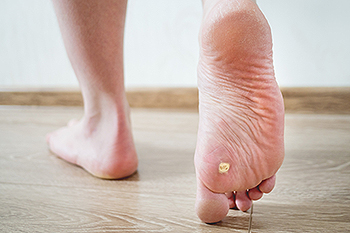
Plantar warts, though often considered minor nuisances, hold interesting facts worth exploring. These warts, caused by the human papillomavirus, or HPV, commonly appear on the soles of the feet, particularly in areas subjected to pressure or friction. Unlike other warts, plantar warts grow inward due to the pressure exerted by walking, leading to a flattened appearance. They may present as small, grainy growths or larger, cauliflower-like clusters. Plantar warts can be painful, especially while walking or standing, as they press into the skin and nerves. Despite their viral origin, they are not highly contagious and are more likely to develop in individuals with weakened immune systems or through direct contact with contaminated surfaces. If you have a plantar wart, it is suggested that you consult a podiatrist who can offer you the treatment option that is right for you.
Plantar warts can be very uncomfortable. If you need your feet checked, contact Roy Rothman, DPM from Florida. Our doctor will assist you with all of your foot and ankle needs.
About Plantar Warts
Plantar warts are the result of HPV, or human papillomavirus, getting into open wounds on the feet. They are mostly found on the heels or balls of the feet.
While plantar warts are generally harmless, those experiencing excessive pain or those suffering from diabetes or a compromised immune system require immediate medical care. Plantar warts are easily diagnosed, usually through scraping off a bit of rough skin or by getting a biopsy.
Symptoms
Treatment
To help prevent developing plantar warts, avoid walking barefoot over abrasive surfaces that can cause cuts or wounds for HPV to get into. Avoiding direct contact with other warts, as well as not picking or rubbing existing warts, can help prevent the further spread of plantar warts. However, if you think you have developed plantar warts, speak to your podiatrist. He or she can diagnose the warts on your feet and recommend the appropriate treatment options.
If you have any questions please feel free to contact our office located in DeBary, FL . We offer the newest diagnostic and treatment technologies for all your foot and ankle needs.


Heel pain can stem from various factors, including plantar fasciitis, Achilles tendonitis, heel bursitis, Haglund’s deformity, heel spurs, or even stress fractures. Symptoms often manifest as sharp or dull pain, particularly when walking or standing, localized around the heel or bottom of the foot. Risk factors include obesity, wearing improper footwear, and overuse during activities like running, and age. Prevention strategies involve wearing supportive shoes, maintaining a healthy weight, stretching the calf and foot muscles regularly, and avoiding sudden increases in physical activity. Treatment may include rest, stretching exercises, custom orthotic inserts, or in severe cases, surgery. A podiatrist can offer a tailored treatment plan by diagnosing the underlying cause of heel pain and providing targeted interventions. If you have heel pain, it is suggested that you schedule an appointment with a podiatrist for relief options.
Many people suffer from bouts of heel pain. For more information, contact Roy Rothman, DPM of Florida. Our doctor can provide the care you need to keep you pain-free and on your feet.
Causes of Heel Pain
Heel pain is often associated with plantar fasciitis. The plantar fascia is a band of tissues that extends along the bottom of the foot. A rip or tear in this ligament can cause inflammation of the tissue.
Achilles tendonitis is another cause of heel pain. Inflammation of the Achilles tendon will cause pain from fractures and muscle tearing. Lack of flexibility is also another symptom.
Heel spurs are another cause of pain. When the tissues of the plantar fascia undergo a great deal of stress, it can lead to ligament separation from the heel bone, causing heel spurs.
Why Might Heel Pain Occur?
Treatments
Heel pain should be treated as soon as possible for immediate results. Keeping your feet in a stress-free environment will help. If you suffer from Achilles tendonitis or plantar fasciitis, applying ice will reduce the swelling. Stretching before an exercise like running will help the muscles. Using all these tips will help make heel pain a condition of the past.
If you have any questions, please feel free to contact our office located in DeBary, FL . We offer the newest diagnostic and treatment technologies for all your foot care needs.


 Follow Us