
Roy A. Rothman, DPM, PA
Podiatric Medicine and SurgeonFoot & Ankle Specialist

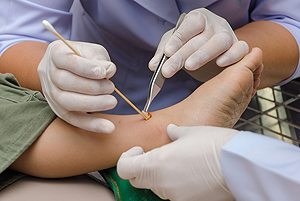
If you have a wound for more than 8 weeks and it still hasn’t healed, it may be considered to be chronic. Such an occurrence could be caused by poor circulation, diabetes, or a weak immune system. Open wounds on the lower leg are known as venous leg ulcers. These kinds of wounds may be medically treated by removing the dead or inflamed tissue, known as debridement. The wound itself can then be cleaned by a high-pressure water jet. A local anesthetic may be used as this treatment is said to be painful. Afterward, the wound should be covered with gauze or a similar dressing to keep it from becoming infected. Compression stockings may be prescribed to increase circulation. For more information on chronic wounds in the feet or ankle area, please consult a podiatrist.
Wound care is an important part in dealing with diabetes. If you have diabetes and a foot wound or would like more information about wound care for diabetics, consult with Roy Rothman, DPM from Florida. Our doctor will assess your condition and provide you with quality foot and ankle treatment.
What Is Wound Care?
Wound care is the practice of taking proper care of a wound. This can range from the smallest to the largest of wounds. While everyone can benefit from proper wound care, it is much more important for diabetics. Diabetics often suffer from poor blood circulation which causes wounds to heal much slower than they would in a non-diabetic.
What Is the Importance of Wound Care?
While it may not seem apparent with small ulcers on the foot, for diabetics, any size ulcer can become infected. Diabetics often also suffer from neuropathy, or nerve loss. This means they might not even feel when they have an ulcer on their foot. If the wound becomes severely infected, amputation may be necessary. Therefore, it is of the upmost importance to properly care for any and all foot wounds.
How to Care for Wounds
The best way to care for foot wounds is to prevent them. For diabetics, this means daily inspections of the feet for any signs of abnormalities or ulcers. It is also recommended to see a podiatrist several times a year for a foot inspection. If you do have an ulcer, run the wound under water to clear dirt from the wound; then apply antibiotic ointment to the wound and cover with a bandage. Bandages should be changed daily and keeping pressure off the wound is smart. It is advised to see a podiatrist, who can keep an eye on it.
If you have any questions please contact our office located in DeBary, FL . We offer the newest diagnostic and treatment technologies for all your foot and ankle needs.
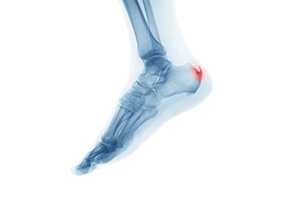
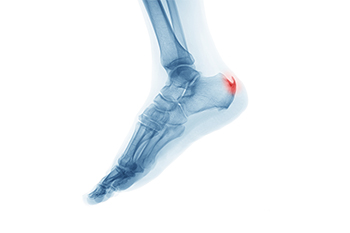 Many people have heel spurs and don’t even know it. Heel spurs are actually calcium deposits in the heel of the foot, and can grow up to half-an-inch long. Most often they cause a dull ache or tenderness, and sometimes a sharp pain in the morning when you first stand up. Extreme heel pain is more often caused by plantar fasciitis, but the two conditions are often linked. The most common causes of heel spurs are running on hard surfaces, obesity, and wearing non-supportive footwear, such as flip-flops. If you frequently experience severe heel pain, please see a podiatrist for diagnosis and treatment.
Heel spurs can be incredibly painful and sometimes may make you unable to participate in physical activities. To get medical care for your heel spurs, contact Roy Rothman, DPM from Florida. Our doctor will do everything possible to treat your condition.
Heels Spurs
Heel spurs are formed by calcium deposits on the back of the foot where the heel is. This can also be caused by small fragments of bone breaking off one section of the foot, attaching onto the back of the foot. Heel spurs can also be bone growth on the back of the foot and may grow in the direction of the arch of the foot.
Older individuals usually suffer from heel spurs and pain sometimes intensifies with age. One of the main condition's spurs are related to is plantar fasciitis.
Pain
The pain associated with spurs is often because of weight placed on the feet. When someone is walking, their entire weight is concentrated on the feet. Bone spurs then have the tendency to affect other bones and tissues around the foot. As the pain continues, the feet will become tender and sensitive over time.
Treatments
There are many ways to treat heel spurs. If one is suffering from heel spurs in conjunction with pain, there are several methods for healing. Medication, surgery, and herbal care are some options.
If you have any questions, please feel free to contact our office located in DeBary, FL . We offer the newest diagnostic and treatment technologies for all your foot care needs.

 Strengthening the core of the feet is often neglected in training regimes for athletes, with more attention being given to the legs and thighs. But keeping the foot core muscles in good shape is essential, not only for overall foot health, but also for preventing injury. Foot core muscles are responsible for maintaining arch shape and shock absorption. Neglecting this area of the foot can lead to plantar fasciitis and even stress fractures. Typical exercises concentrating on the core include the short foot exercise, big toe press, and toe splay. It’s always a good idea to check in with a podiatrist for further information.
Exercising your feet regularly with the proper foot wear is a great way to prevent injuries and build strength. If you have any concerns about your feet, contact Roy Rothman, DPM from Florida. Our doctor can provide the care you need to keep you pain-free and on your feet.
Exercise for Your Feet
Exercise for your feet can help you gain strength, mobility and flexibility in your feet. They say that strengthening your feet can be just as rewarding as strengthening another part of the body. Your feet are very important, and we often forget about them in our daily tasks. But it is because of our feet that are we able to get going and do what we need to. For those of us fortunate enough to not have any foot problems, it is an important gesture to take care of them to ensure good health in the long run.
Some foot health exercises can include ankle pumps, tip-toeing, toe rises, lifting off the floor doing reps and sets, and flexing the toes. It is best to speak with Our doctor to determine an appropriate regimen for your needs. Everyone’s needs and bodies are different, and the activities required to maintain strength in the feet vary from individual to individual.
Once you get into a routine of doing regular exercise, you may notice a difference in your feet and how strong they may become.
If you have any questions, please feel free to contact our office located in DeBary, FL . We offer the newest diagnostic and treatment technologies for all your foot care needs.
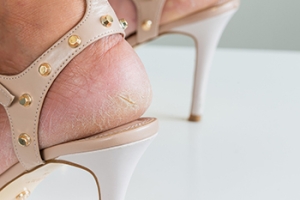
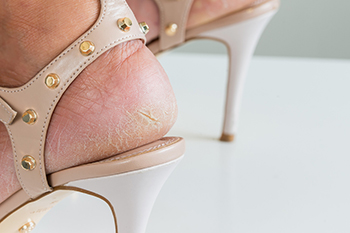
When you apply weight to your foot, the skin on your heels expands. If this skin is dry and lacking elasticity, cracks in the skin may eventually form. Dry, cold weather, obesity, open-back shoes, standing on hard floors for an extended period of time, and conditions that cause dry skin can all contribute to heels becoming stiff and cracked. To avoid getting cracked heels, keep them moisturized. The best way to seal in moisture is to apply ointment or cream—containing hyaluronic or lactic acid, mineral oil, lanolin or petrolatum—right after a shower or bath. If your heels are already thickened and cracked, you can try to thin them down by gently rubbing them with a pumice stone or applying a keratolytic agent, unless you have diabetes, nerve damage, or poor circulation. If cracked heels are allowed to deepen, they may become painful and bleed, and possibly even become infected. If your cracked heels have progressed to this point, or you need help getting them smooth and supple again, make an appointment with your local podiatrist.
If the skin on your feet starts to crack, you may want to see a podiatrist to find treatment. If you have any concerns, contact Roy Rothman, DPM from Florida. Our doctor can provide the care you need to keep you pain-free and on your feet.
Cracked Heels
It is important to moisturize your cracked heels in order to prevent pain, bleeding, and infection. The reason cracked heels form is because the skin on the foot is too dry to support the immense pressure placed on them. When the foot expands, the dry skin on the foot begins to split.
Ways to Help Heal Them
Ways to Prevent Cracked Heels
If you are unsure how to proceed in treating cracked heels, seek guidance from a podiatrist. Your doctor will help you with any questions or information you may need.
If you have any questions, please feel free to contact our office located in DeBary, FL . We offer the newest diagnostic and treatment technologies for all your foot care needs.
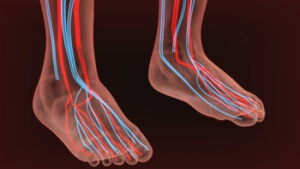
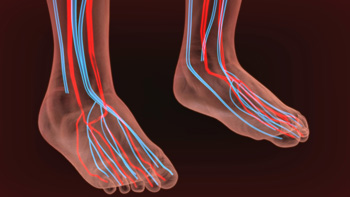
Poor circulation in your feet may cause them to feel cold or numb. They may also become discolored, and your legs and ankles may swell up. You can try to improve the circulation in your feet and legs by exercising, which can increase the blood and oxygen your muscles receive. Cutting your salt intake will reduce fluid retention (which restricts circulation). Eating foods that are rich in omega-3 fatty acids is also believed to be helpful. Sitting or standing too long can cause poor circulation in your feet and ankles as well, so try to alternate these positions throughout the day. Avoid wearing high heels or pointy shoes which can also interrupt blood flow to the feet and toes. Poor circulation in the lower extremities may be caused by more serious underlying conditions such as arteriosclerosis, diabetes, peripheral artery disease (PAD), or more. If you are experiencing any symptoms of poor circulation in your feet, ankles, or lower legs, make an appointment with a podiatrist for an examination and evaluation.
While poor circulation itself isn’t a condition; it is a symptom of another underlying health condition you may have. If you have any concerns with poor circulation in your feet contact Roy Rothman, DPM of Florida. Our doctor will treat your foot and ankle needs.
Poor Circulation in the Feet
Peripheral artery disease (PAD) can potentially lead to poor circulation in the lower extremities. PAD is a condition that causes the blood vessels and arteries to narrow. In a linked condition called atherosclerosis, the arteries stiffen up due to a buildup of plaque in the arteries and blood vessels. These two conditions can cause a decrease in the amount of blood that flows to your extremities, therefore resulting in pain.
Symptoms
Some of the most common symptoms of poor circulation are:
Treatment for poor circulation often depends on the underlying condition that causes it. Methods for treatment may include insulin for diabetes, special exercise programs, surgery for varicose veins, or compression socks for swollen legs.
As always, see a podiatrist as he or she will assist in finding a regimen that suits you. A podiatrist can also prescribe you any needed medication.
If you have any questions, please feel free to contact our office located in DeBary, FL . We offer the newest diagnostic and treatment technologies for all your foot care needs.


Gout is a painful, inflammatory form of arthritis. Those affected will typically feel an intense stiffness in the joints of their feet, particularly in the big toe. Schedule a visit to learn about how gout can be managed and treated.


 Follow Us