
Roy A. Rothman, DPM, PA
Podiatric Medicine and SurgeonFoot & Ankle Specialist


Athlete’s foot is a fungal infection that forms when fungus grows on the skin of the feet, especially in warm and damp spaces between the toes. It can affect people of all ages. The risk of athlete’s foot increases when people walk barefoot in shared locker rooms, wear heavy boots for long hours, sweat excessively, or have circulation problems. Tight shoes that lack adequate support or worn-out flip-flops can trap moisture around the toes. Symptoms of athlete's foot include itching, peeling skin, redness, and soft, whitish areas between the toes. In some cases, small blisters can form on the inner foot or dry scaling may develop along the sole. A podiatrist can examine the infected area, confirm the cause, and guide a treatment that helps clear the infection and prevent complications. If you have an athlete's foot infection, it is suggested that you make an appointment with a podiatrist for a diagnosis and treatment.
Athlete’s foot is an inconvenient condition that can be easily reduced with the proper treatment. If you have any concerns about your feet and ankles, contact Roy Rothman, DPM from Florida. Our doctor will treat your foot and ankle needs.
Athlete’s Foot: The Sole Story
Athlete's foot, also known as tinea pedis, can be an extremely contagious foot infection. It is commonly contracted in public changing areas and bathrooms, dormitory style living quarters, around locker rooms and public swimming pools, or anywhere your feet often come into contact with other people.
Solutions to Combat Athlete’s Foot
Athlete’s foot can cause many irritating symptoms such as dry and flaking skin, itching, and redness. Some more severe symptoms can include bleeding and cracked skin, intense itching and burning, and even pain when walking. In the worst cases, Athlete’s foot can cause blistering as well. Speak to your podiatrist for a better understanding of the different causes of Athlete’s foot, as well as help in determining which treatment options are best for you.
If you have any questions please feel free to contact our office located in DeBary, FL . We offer the newest diagnostic and treatment technologies for all your foot and ankle needs.
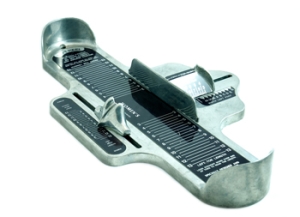

Properly measuring your shoe size is essential for comfort, support, and foot health. The most accurate method involves using a Brannock device, a specialized tool designed to measure the length, width, and arch length of your foot. This ensures that your shoes fit properly and reduces the risk of blisters, bunions, or other foot problems caused by wearing ill-fitting footwear. A podiatrist can help guide you through the measurement process, assess your foot structure, and recommend shoes that support your unique shape and gait. Regular measurements are important, especially as feet can change over time due to age, weight, or activity level. If you have foot pain from wearing the wrong size shoes, it is suggested that you consult a podiatrist who can treat various foot conditions, and offer additional information about the importance of proper shoe fitting.
Getting the right shoe size is an important part of proper foot health. Seek the assistance of Roy Rothman, DPM from Florida. Our doctor will provide the care you need to keep you pain-free and on your feet.
Getting the Right Shoe Size
There are many people who wear shoes that are the incorrect size, negatively affecting their feet and posture. Selecting the right shoes is not a difficult process, so long as you keep several things in mind when it comes to choosing the right pair.
As our feet hold our body weight and keep us moving, it is important to treat them right. Picking the right pair of shoes can provide your feet comfort and mobility without pain.
If you have any questions, please feel free to contact our office located in DeBary, FL . We offer the newest diagnostic and treatment technologies for all your foot care needs.


Plantar warts are small growths that develop on parts of the feet that bear weight. They're typically found on the bottom of the foot. Don't live with plantar warts, and call us today!
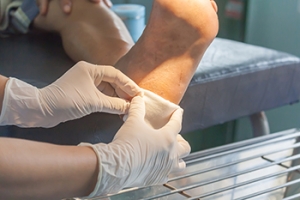

Foot wound care is essential for preventing infection and protecting long-term mobility. There are a number of types of wounds. A diabetic foot ulcer develops from poor circulation and nerve damage. A pressure ulcer is caused by prolonged pressure on bony areas. Venous ulcers are related to vein disease, and traumatic wounds result from injuries or accidents. Each type requires careful evaluation and a focused treatment plan to support proper healing. A podiatrist can assess the wound, manage infection, improve circulation, and provide advanced treatments that promote healthy tissue recovery. With regular monitoring and specialized care, many serious complications can be avoided. If you or a loved one has a foot wound, it is suggested that you promptly consult a podiatrist who can provide appropriate treatment solutions.
Wound care is an important part in dealing with diabetes. If you have diabetes and a foot wound or would like more information about wound care for diabetics, consult with Roy Rothman, DPM from Florida. Our doctor will assess your condition and provide you with quality foot and ankle treatment.
What Is Wound Care?
Wound care is the practice of taking proper care of a wound. This can range from the smallest to the largest of wounds. While everyone can benefit from proper wound care, it is much more important for diabetics. Diabetics often suffer from poor blood circulation which causes wounds to heal much slower than they would in a non-diabetic.
What Is the Importance of Wound Care?
While it may not seem apparent with small ulcers on the foot, for diabetics, any size ulcer can become infected. Diabetics often also suffer from neuropathy, or nerve loss. This means they might not even feel when they have an ulcer on their foot. If the wound becomes severely infected, amputation may be necessary. Therefore, it is of the upmost importance to properly care for any and all foot wounds.
How to Care for Wounds
The best way to care for foot wounds is to prevent them. For diabetics, this means daily inspections of the feet for any signs of abnormalities or ulcers. It is also recommended to see a podiatrist several times a year for a foot inspection. If you do have an ulcer, run the wound under water to clear dirt from the wound; then apply antibiotic ointment to the wound and cover with a bandage. Bandages should be changed daily and keeping pressure off the wound is smart. It is advised to see a podiatrist, who can keep an eye on it.
If you have any questions please contact our office located in DeBary, FL . We offer the newest diagnostic and treatment technologies for all your foot and ankle needs.


Cracked heels occur when the skin on the heel becomes dry, thick, and unable to stretch, which leads to splitting and discomfort. Vitamin deficiencies can play a major role. Vitamin E supports skin repair and moisture, vitamin C promotes collagen production for strong healthy skin, and B vitamins help maintain proper cell growth and prevent dryness. When any of these are low, the skin is more likely to break down. A podiatrist can evaluate the cause of your cracked heels, remove thick skin safely, recommend moisturizers, and guide you on proper nutrition and foot care. If cracked heels are causing pain or embarrassment, it is suggested that you schedule an appointment with a podiatrist for effective treatment and lasting relief, which may include prescribed medication.
Cracked heels are unsightly and can cause further damage to your shoes and feet. If you have any concerns, contact Roy Rothman, DPM from Florida. Our doctor can provide the care you need to keep you pain-free and on your feet.
Cracked Heels
Cracked heels appear unappealing and can make it harder for you walk around in sandals. Aside from looking unpleasant, cracked heels can also tear stockings, socks, and wear out your shoes. There are several methods to help restore a cracked heel and prevent further damage.
How Do You Get Them?
Dry skin is the number one culprit in creating cracked heels. Many athletes, walkers, joggers, and even swimmers suffer from cracked heels. Age and skin oil production play a role to getting cracked heels as well.
Promote Healing
Over the counter medicines can help, especially for those that need instant relief or who suffer from chronic dry feet.
Wear Socks – Wearing socks with medicated creams helps lock in moisture.
Moisturizers – Applying both day and night will help alleviate dryness which causes cracking.
Pumice Stones – These exfoliate and remove dead skin, which allows for smoother moisturizer application and better absorption into the skin.
Change in Diet
Eating healthy with a well-balanced diet will give the skin a fresh and radiant look. Your body responds to the kinds of food you ingest. Omega-3 fatty acids and zinc supplements can also revitalize skin tissue.
Most importantly, seek professional help if unsure how to proceed in treating cracked heels. A podiatrist will help you with any questions or information needed.
If you have any questions, please feel free to contact our office located in DeBary, FL . We offer the newest diagnostic and treatment technologies for all your foot care needs.


Walking is a complex movement that relies on proper alignment and coordination of the feet, ankles, and legs. When foot pain develops, it can alter normal biomechanics, causing changes in gait and posture that place stress on other joints. Common causes include plantar fasciitis, arthritis, flat feet, or injury to soft tissues. Symptoms include aching, stiffness, or sharp pain that worsens with activity. Over time, these changes can lead to limping, uneven wear on shoes, or discomfort in the knees, hips, and lower back. The foot may appear swollen or misaligned, and walking may feel awkward or unstable. A podiatrist can assess gait and foot structure through examination, imaging, and biomechanical analysis. Treatment may include custom orthotics, footwear recommendations, and stretching programs to relieve pain and restore natural movement. If foot pain is affecting how you walk, it is suggested that you make an appointment with a podiatrist to prevent further complications and maintain healthy mobility.
If you have any concerns about your feet, contact Roy Rothman, DPM from Florida. Our doctor can provide the care you need to keep you pain-free and on your feet.
Biomechanics in Podiatry
Podiatric biomechanics is a particular sector of specialty podiatry with licensed practitioners who are trained to diagnose and treat conditions affecting the foot, ankle and lower leg. Biomechanics deals with the forces that act against the body, causing an interference with the biological structures. It focuses on the movement of the ankle, the foot and the forces that interact with them.
A History of Biomechanics
Modern technological improvements are based on past theories and therapeutic processes that provide a better understanding of podiatric concepts for biomechanics. Computers can provide accurate information about the forces and patterns of the feet and lower legs.
Understanding biomechanics of the feet can help improve and eliminate pain, stopping further stress to the foot.
If you have any questions please feel free to contact our office located in DeBary, FL . We offer the newest diagnostic and treatment technologies for all your foot and ankle needs.


 Follow Us