
Roy A. Rothman, DPM, PA
Podiatric Medicine and SurgeonFoot & Ankle Specialist


Hikers can easily get wet feet, simply by having to cross a stream, or from a sudden downpour. Hiking experts recommend not hiking in conditions that may cause your feet to get wet. Potential problems from continuing to hike after your feet are wet include developing fungal infections and blisters. Possible infections include athlete’s foot, which can cause cracked, itchy, and inflamed skin between the toes, and toenail fungus, which can cause the nails to crumble and flake. This also can endanger the nail bed itself. Blisters are caused by friction as the side of the toe or heel rubs against the inside of a shoe. If the activity continues when a blister forms, it not only can be painful, but it can become infected. Prevention measures include wearing waterproof boots, carrying an extra pair of moisture-wicking socks, and investing in a pair of gaiters that help to keep your feet dry. For more information on how to keep your feet safe while hiking, it is suggested that you consult a podiatrist.
Sports related foot and ankle injuries require proper treatment before players can go back to their regular routines. For more information, contact Roy Rothman, DPM of Florida. Our doctor can provide the care you need to keep you pain-free and on your feet.
Sports Related Foot and Ankle Injuries
Foot and ankle injuries are a common occurrence when it comes to athletes of any sport. While many athletes dismiss the initial aches and pains, the truth is that ignoring potential foot and ankle injuries can lead to serious problems. As athletes continue to place pressure and strain the area further, a mild injury can turn into something as serious as a rupture and may lead to a permanent disability. There are many factors that contribute to sports related foot and ankle injuries, which include failure to warm up properly, not providing support or wearing bad footwear. Common injuries and conditions athletes face, including:
Sports related injuries are commonly treated using the RICE method. This includes rest, applying ice to the injured area, compression and elevating the ankle. More serious sprains and injuries may require surgery, which could include arthroscopic and reconstructive surgery. Rehabilitation and therapy may also be required in order to get any recovering athlete to become fully functional again. Any unusual aches and pains an athlete sustains must be evaluated by a licensed, reputable medical professional.
If you have any questions please contact our office located in DeBary, FL . We offer the newest diagnostic and treatment technologies for all your foot and ankle needs.


Your feet are covered most of the day. If you're diabetic, periodic screening is important for good health. Numbness is often a sign of diabetic foot and can mask a sore or wound.
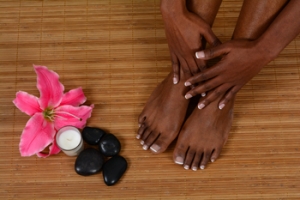
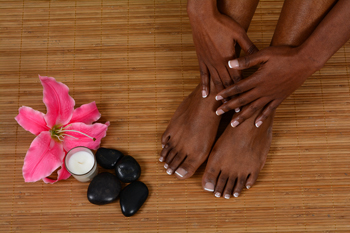
We underestimate how much time we spend on our feet and how much wear and tear they go through. When we stop and think about just how much our feet do for us, we can more fully appreciate the need to spend some time and energy taking care of them. A foot care routine can easily be implemented, and the payoffs are substantial. A proper foot care routine starts with looking at the feet more frequently to assess whether there are cuts, cracked heels, corns, or blisters that need to be tended to. Those with diabetes need to use particular care in examining their feet for developments that can turn into infections. Good regular foot care includes washing, drying, and moisturizing the feet each day, wearing shoes that are comfortable and the right size, and keeping the toenails trimmed by cutting them straight across and rounding the edges with a nail file. A pampering foot massage and a pedicure are icing on the cake in foot care. If you want to know more about how you can take care of your feet, it is suggested that you talk to a podiatrist about what other things you can do to maintain their health and functioning.
Everyday foot care is very important to prevent infection and other foot ailments. If you need your feet checked, contact Roy Rothman, DPM from Florida. Our doctor can provide the care you need to keep you pain-free and on your feet.
Everyday Foot Care
Often, people take care of their bodies, face and hair more so than they do for their feet. But the feet are a very important aspect of our bodies, and one that we should pay more attention to. Without our feet, we would not be able to perform most daily tasks.
It is best to check your feet regularly to make sure there are no new bruises or cuts that you may not have noticed before. For dry feet, moisturizer can easily be a remedy and can be applied as often as necessary to the affected areas. Wearing shoes that fit well can also help you maintain good foot health, as well as making it easier to walk and do daily activities without the stress or pain of ill-fitting shoes, high heels, or even flip flops. Wearing clean socks with closed shoes is important to ensure that sweat and bacteria do not accumulate within the shoe. Clean socks help to prevent Athlete’s foot, fungi problems, bad odors, and can absorb sweat.
If you have any questions, please feel free to contact our office located in DeBary, FL . We offer the newest diagnostic and treatment technologies for all your foot care needs.

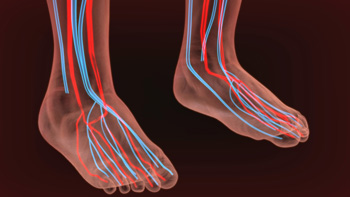
Poor circulation can cause tingling sensations, and the feet may feel cold. This generally occurs in the feet and may happen from sitting with the legs crossed for extended periods. Poor circulation can occur from medical conditions like high blood pressure, heart disease, and obesity. It may also happen from smoking, eating unhealthy foods, or from leading a sedentary lifestyle. Blood flow may be disrupted if there is an injury to the foot, and poor circulation may develop as the wound heals. This condition may be remedied when a healthy lifestyle is chosen, including engaging in a gentle exercise routine and eating foods that are low in fat. If you have symptoms of poor circulation, it is strongly suggested that you speak with a podiatrist who can help you to manage this condition.
Poor circulation is a serious condition and needs immediate medical attention. If you have any concerns with poor circulation in your feet contact Roy Rothman, DPM of Florida. Our doctor will treat your foot and ankle needs.
Poor Circulation in the Feet
Poor blood circulation in the feet and legs is can be caused by peripheral artery disease (PAD), which is the result of a buildup of plaque in the arteries.
Plaque buildup or atherosclerosis results from excess calcium and cholesterol in the bloodstream. This can restrict the amount of blood which can flow through the arteries. Poor blood circulation in the feet and legs are sometimes caused by inflammation in the blood vessels, known as vasculitis.
Causes
Lack of oxygen and oxygen from poor blood circulation restricts muscle growth and development. It can also cause:
Those who have diabetes or smoke are at greatest risk for poor circulation, as are those who are over 50. If you have poor circulation in the feet and legs it may be caused by PAD and is important to make changes to your lifestyle in order to reduce risk of getting a heart attack or stroke. Exercise and maintaining a healthy lifestyle will dramatically improve conditions.
As always, see a podiatrist as he or she will assist in finding a regimen that suits you. A podiatrist can also prescribe you any needed medication.
If you have any questions, please feel free to contact our office located in DeBary, FL . We offer the newest diagnostic and treatment technologies for all your foot care needs.

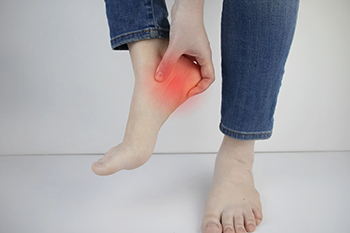
One of the most common foot problems is plantar fasciitis. It is an inflammation of the plantar fascia, which is the band of tissue that is found on the sole of the foot. It connects the heel to the toes, and it can become inflamed for various reasons. These include standing on hard or uneven surfaces for long periods of time or wearing shoes that have inadequate heel support. It can also happen from the aging process that may gradually wear down the heel pad. Some people endure an injury that can tear the plantar fascia, including a sudden fall, repetitive cycling, or frequent participation in running or jumping activities. Plantar fasciitis can be a common condition among people who are overweight, which may cause the fat pads to prematurely flatten as a result of the added weight the feet must carry. If you have pain in your heel or arch area, it is strongly suggested that you consult a podiatrist who can accurately diagnose the condition and offer the correct treatment options.
Plantar fasciitis is a common foot condition that is often caused by a strain injury. If you are experiencing heel pain or symptoms of plantar fasciitis, contact Roy Rothman, DPM from Florida. Our doctor can provide the care you need to keep you pain-free and on your feet.
What Is Plantar Fasciitis?
Plantar fasciitis is one of the most common causes of heel pain. The plantar fascia is a ligament that connects your heel to the front of your foot. When this ligament becomes inflamed, plantar fasciitis is the result. If you have plantar fasciitis you will have a stabbing pain that usually occurs with your first steps in the morning. As the day progresses and you walk around more, this pain will start to disappear, but it will return after long periods of standing or sitting.
What Causes Plantar Fasciitis?
There are some risk factors that may make you more likely to develop plantar fasciitis compared to others. The condition most commonly affects adults between the ages of 40 and 60. It also tends to affect people who are obese because the extra pounds result in extra stress being placed on the plantar fascia.
Prevention
There are a variety of treatment options available for plantar fasciitis along with the pain that accompanies it. Additionally, physical therapy is a very important component in the treatment process. It is important that you meet with your podiatrist to determine which treatment option is best for you.
If you have any questions, please feel free to contact our office located in DeBary, FL . We offer the newest diagnostic and treatment technologies for all your foot care needs.


A sudden accident or fall may cause the foot to fracture. This is also known as a broken foot, and often requires immediate medical attention. Common symptoms many people can experience with this condition include bruising, swelling, and it is often difficult, if not impossible, to walk. If the fracture is severe, a bone may protrude from the skin, and surgery may be necessary to replace and realign the affected bone. A diagnosis is often performed that can determine the severity of the break, and this is done by having an X-ray taken. The correct treatment can consist of wearing a boot that allows mobility, and frequently elevating the affected leg as often as possible. The average recovery time for a broken foot is approximately eight weeks, and normal activities can gradually resume once the healing process is completed. If you have broken your foot, and continue to have pain and swelling, it is suggested that you consult with a podiatrist who can help you to manage this condition.
A broken foot requires immediate medical attention and treatment. If you need your feet checked, contact Roy Rothman, DPM from Florida. Our doctor can provide the care you need to keep you pain-free and on your feet.
Broken Foot Causes, Symptoms, and Treatment
A broken foot is caused by one of the bones in the foot typically breaking when bended, crushed, or stretched beyond its natural capabilities. Usually the location of the fracture indicates how the break occurred, whether it was through an object, fall, or any other type of injury.
Common Symptoms of Broken Feet:
Those that suspect they have a broken foot shoot seek urgent medical attention where a medical professional could diagnose the severity.
Treatment for broken bones varies depending on the cause, severity and location. Some will require the use of splints, casts or crutches while others could even involve surgery to repair the broken bones. Personal care includes the use of ice and keeping the foot stabilized and elevated.
If you have any questions, please feel free to contact our office located in DeBary, FL . We offer the newest diagnostic and treatment technologies for all your foot care needs.


 Follow Us