
Roy A. Rothman, DPM, PA
Podiatric Medicine and SurgeonFoot & Ankle Specialist
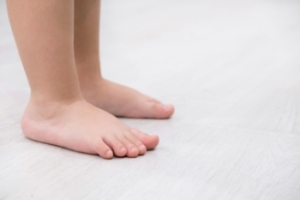

Flat feet in children occur when the arches of the feet are lower than normal or absent, affecting foot function and posture. Causes include genetics, ligament laxity, or developmental delays. There are two main types of flat feet which are flexible flat feet, where the arch appears when standing on tiptoes, and rigid flat feet, where the arch is absent in all positions. Symptoms may include foot pain, fatigue during activity, uneven shoe wear, or difficulty walking or running. A podiatrist can assess your child’s foot structure, recommend supportive footwear or orthotics, and provide exercises to improve strength and alignment. If your child has pain from having flat feet, it is suggested that you consult a podiatrist who can offer effective relief and management tips.
Flatfoot is a condition many people suffer from. If you have flat feet, contact Roy Rothman, DPM from Florida. Our doctor will treat your foot and ankle needs.
What Are Flat Feet?
Flatfoot is a condition in which the arch of the foot is depressed and the sole of the foot is almost completely in contact with the ground. About 20-30% of the population generally has flat feet because their arches never formed during growth.
Conditions & Problems:
Having flat feet makes it difficult to run or walk because of the stress placed on the ankles.
Alignment – The general alignment of your legs can be disrupted, because the ankles move inward which can cause major discomfort.
Knees – If you have complications with your knees, flat feet can be a contributor to arthritis in that area.
Symptoms
Treatment
If you are experiencing pain and stress on the foot you may weaken the posterior tibial tendon, which runs around the inside of the ankle.
If you have any questions, please feel free to contact our office located in DeBary, FL . We offer the newest diagnostic and treatment technologies for all your foot care needs.

 The majority of broken toes can heal by staying off of the foot. If the fracture is severe, the toe may need to be stabilized as the healing process occurs. This can be accomplished by using a method that is called buddy taping, which is done by taping the affected toe to the toe next to it. Broken toes can cause severe pain and discomfort, and generally happens if a heavy object is dropped on it. Some patients stub their toe against a piece of furniture, and this can cause the toe to break. It is beneficial to limit walking as much as possible. Additionally, it can help to wear shoes that are large enough to accommodate the broken toe. If you have broken your toe, it is suggested that you consult with a podiatrist as quickly as possible to determine the best course of treatment.
A broken toe can be very painful and lead to complications if not properly fixed. If you have any concerns about your feet, contact Roy Rothman, DPM from Florida. Our doctor will treat your foot and ankle needs.
What to Know About a Broken Toe
Although most people try to avoid foot trauma such as banging, stubbing, or dropping heavy objects on their feet, the unfortunate fact is that it is a common occurrence. Given the fact that toes are positioned in front of the feet, they typically sustain the brunt of such trauma. When trauma occurs to a toe, the result can be a painful break (fracture).
Symptoms of a Broken Toe
Generally, it is best to stay off of the injured toe with the affected foot elevated.
Severe toe fractures may be treated with a splint, cast, and in some cases, minor surgery. Due to its position and the pressure it endures with daily activity, future complications can occur if the big toe is not properly treated.
If you have any questions, please feel free to contact our office located in DeBary, FL . We offer the newest diagnostic and treatment technologies for all your foot care needs.

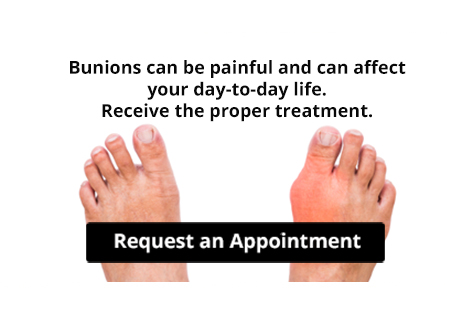
Have you noticed a bony protrusion on the side of your big toe? If so, you may have developed the foot condition known as a bunion. Don't let bunions interfere with your daily activities.
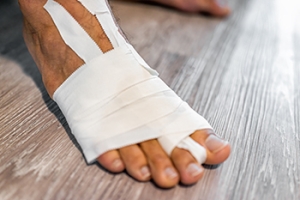

Big toe joint pain is common among pickleball players due to the quick pivots, lunges, and bursts of movement required in the game. One frequent cause is turf toe, which occurs when the big toe is forced upward, straining the ligaments around the joint. Symptoms include swelling, pain, stiffness, and difficulty pushing off while moving. Risk factors include playing on hard surfaces, wearing unsupportive shoes, and repetitive stress on the forefoot. A podiatrist can evaluate the injury, provide treatment to relieve pain, and recommend footwear or orthotics to prevent future problems. Do not let toe pain sideline you from the court. If you have toe pain from playing pickleball, it is suggested that you promptly consult a podiatrist who can offer effective relief and treatment solutions, allowing you to resume playing this popular game.
Ankle and foot injuries are common among athletes and in many sports. They can be caused by several problems and may be potentially serious. If you are feeling pain or think you were injured in a sporting event or when exercising, consult with Roy Rothman, DPM from Florida. Our doctor will assess your condition and provide you with quality foot and ankle treatment.
Common Injuries
The most common injuries that occur in sporting activities include:
Symptoms
Symptoms vary depending upon the injury and in some cases, there may be no symptoms at all. However, in most cases, some form of symptom is experienced. Pain, aching, burning, bruising, tenderness, tightness or stiffness, sensation loss, difficulty moving, and swelling are the most common symptoms.
Treatment
Just as symptoms vary depending upon the injury, so do treatment options. A common treatment method is known as the RICE method. This method involves rest, applying ice, compression and elevating the afflicted foot or ankle. If the injury appears to be more serious, surgery might be required, such as arthroscopic or reconstructive surgery. Lastly, rehabilitation or therapy might be needed to gain full functionality in the afflicted area. Any discomfort experienced by an athlete must be evaluated by a licensed, reputable medical professional.
If you have any questions please contact our office located in DeBary, FL . We offer the newest diagnostic and treatment technologies for all your foot and ankle needs.


Diabetes affects the body in ways that can make the feet especially vulnerable. Poor circulation slows the ability to heal, which means even a small sore can linger longer than expected. Nerve damage, known as neuropathy, may reduce sensation and make it difficult to notice cuts, blisters, or pressure points. This lack of awareness increases the risk of infections and ulcers developing without early warning signs. Structural changes in the feet may also occur, such as hammertoes or Charcot foot, where weakened bones in the foot fracture and collapse, leading to deformity and instability, adding pressure to certain areas and leading to further breakdown of the skin. Infections can progress quickly if left untreated, and, in severe cases may require hospitalization or even surgery. Regular foot checks, protective footwear, and professional care are essential. If you are living with diabetes, it is suggested that you are under the care of a podiatrist who can help you to manage this serious condition.
Diabetic foot care is important in preventing foot ailments such as ulcers. If you are suffering from diabetes or have any other concerns about your feet, contact Roy Rothman, DPM from Florida. Our doctor can provide the care you need to keep you pain-free and on your feet.
Diabetic Foot Care
Diabetes affects millions of people every year. The condition can damage blood vessels in many parts of the body, especially the feet. Because of this, taking care of your feet is essential if you have diabetes, and having a podiatrist help monitor your foot health is highly recommended.
The Importance of Caring for Your Feet
Patients with diabetes should have their doctor monitor their blood levels, as blood sugar levels play such a huge role in diabetic care. Monitoring these levels on a regular basis is highly advised.
It is always best to inform your healthcare professional of any concerns you may have regarding your feet, especially for diabetic patients. Early treatment and routine foot examinations are keys to maintaining proper health, especially because severe complications can arise if proper treatment is not applied.
If you have any questions, please feel free to contact our office located in DeBary, FL . We offer the newest diagnostic and treatment technologies for all your foot care needs.
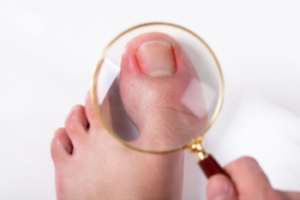

Ingrown toenails occur when the edge of a toenail grows into the surrounding skin, leading to pain, swelling, redness, and sometimes infection. The area may feel tender to the touch, appear swollen, or drain pus if an infection is present. Walking or wearing shoes can become uncomfortable. Common causes include trimming nails too short, wearing tight shoes, or having naturally curved nails. While mild cases may be managed at home, persistent or worsening symptoms require professional attention. A podiatrist can diagnose an ingrown toenail through a physical exam and determine the most effective treatment. Options include gently lifting the nail, partial nail removal, or treating any underlying infection. In severe or recurring cases, a small portion of the nail root may be removed to prevent regrowth. Prompt care can relieve pain and prevent complications. If you notice signs of an ingrown toenail, it is suggested that you make an appointment with a podiatrist.
Ingrown toenails can become painful if they are not treated properly. For more information about ingrown toenails, contact Roy Rothman, DPM of Florida. Our doctor can provide the care you need to keep you pain-free and on your feet.
Ingrown Toenails
Ingrown toenails occur when a toenail grows sideways into the bed of the nail, causing pain, swelling, and possibly infection.
Causes
Prevention
Wearing proper fitting shoes and using proper cutting techniques will also help decrease your risk of developing ingrown toenails.
Treatment
Ingrown toenails are a very treatable foot condition. In minor cases, soaking the affected area in salt or antibacterial soaps will not only help with the ingrown nail itself, but also help prevent any infections from occurring. In more severe cases, surgery is an option. In either case, speaking to your podiatrist about this condition will help you get a better understanding of specific treatment options that are right for you.
If you have any questions, please feel free to contact our office located in DeBary, FL . We offer the newest diagnostic and treatment technologies for all your foot care needs.


 Follow Us