
Roy A. Rothman, DPM, PA
Podiatric Medicine and SurgeonFoot & Ankle Specialist


Sometimes an ankle sprain and an ankle strain can be difficult to differentiate. Ankle sprains occur when one or more ligaments in the affected ankle are overstretched or torn, usually during a single incident, like stepping off a curb and twisting your ankle. Ankle strains occur when the muscles or tendons of the affected ankle are repetitively damaged over time. Symptoms of an ankle sprain include localized pain, swelling, bruising, and limited mobility. At the time of the injury, you may also hear a popping sound or feel a popping sensation, and pain will usually be sudden and intense. Symptoms of an ankle strain include pain, swelling, redness, inflammation, muscle spasms, cramps, or weakness, and a limited range of motion. If you are suffering from ankle pain, please schedule an appointment with a podiatrist.
Although ankle sprains are common, they aren’t always minor injuries. If you need your ankle injury looked at, contact Roy Rothman, DPM from Florida. Our doctor can provide the care you need to keep you pain-free and on your feet.
How Does an Ankle Sprain Occur?
Ankle sprains are the result of a tear in the ligaments within the ankle. These injuries may happen when you make a rapid shifting movement while your foot is planted. A less common way to sprain your ankle is when your ankle rolls inward while your foot turns outward.
What Are the Symptoms?
Preventing a Sprain
Treatment of a Sprain
In many cases, the RICE method (Rest, Ice, Compression, and Elevate) is used to treat ankle sprains. However, you should see a podiatrist to see which treatment option would work best with your injury. In severe cases, surgery may be required.
It is important to ask your doctor about rehab options after you receive treatment for your injury. Stretching, strength training, and balance exercises may help the ankle heal while also preventing further injury.
If you have any questions, please feel free to contact our office located in DeBary, FL . We offer the newest diagnostic and treatment technologies for all your foot care needs.

 A small percentage of people worldwide develop toenail fungus. Research has indicated the amount of people who are afflicted with this type of fungus can increase as the aging process occurs. Common symptoms many people experience with toenail fungus can include yellowed and brittle nails, and in severe cases, the nail may turn black and fall off. This ailment is caused by a fungus that lives and thrives in warm and moist environments, and is considered to be contagious. These types of areas can include public swimming pools, locker rooms, and surrounding areas. Research has indicated the chances of developing toenail fungus may diminish when appropriate shoes are worn while in these types of environments. If you have symptoms of this type of fungal infection, it is strongly suggested that you consult with a podiatrist who can discuss what the best course of treatment is for you.
For more information about treatment, contact Roy Rothman, DPM of Florida. Our doctor can provide the care you need to keep you pain-free and on your feet.
Toenail Fungus Treatment
Toenail fungus is a condition that affects many people and can be especially hard to get rid of. Fortunately, there are several methods to go about treating and avoiding it.
Antifungals & Deterrence
Oral antifungal medicine has been shown to be effective in many cases. It is important to consult with a podiatrist to determine the proper regiment for you, or potentially explore other options.
Applying foot powder on the feet and shoes helps keep the feet free of moisture and sweat.
Sandals or open toed shoes – Wearing these will allow air movement and help keep feet dry. They also expose your feet to light, which fungus cannot tolerate. Socks with moisture wicking material also help as well.
If you have any questions please feel free to contact our office located in DeBary, FL . We offer the newest diagnostic tools and technology to treat your foot and ankle needs.

 The feet are a common area for blisters to form, and there are various types of blisters that can develop. Friction blisters are considered to be the most common, and they appear as a small bubble that forms on top of the damaged skin. It is the body’s natural way of protecting the raw skin, and they will gradually drain when new skin has formed. A blood blister is filled with bloody fluid and is generally dark red or purple. This type of blister may develop after the skin has been severely pinched. Blisters typically result from wearing shoes and socks that do not fit correctly. To avoid further damaging the skin, and irritating the blister, it can be beneficial to shield it with a protective covering, which may also help to prevent premature draining. If you frequently develops blisters on their feet, please consult with a podiatrist who can offer you proper preventive techniques.
Blisters are prone to making everyday activities extremely uncomfortable. If your feet are hurting, contact Roy Rothman, DPM of Florida. Our doctor can provide the care you need to keep you pain-free and on your feet.
Foot Blisters
Foot blisters develop as a result of constantly wearing tight or ill-fitting footwear. This happens due to the constant rubbing from the shoe, which can often lead to pain.
What Are Foot Blisters?
A foot blister is a small fluid-filled pocket that forms on the upper-most layer of the skin. Blisters are filled with clear fluid and can lead to blood drainage or pus if the area becomes infected.
How Do Blisters Form?
Blisters on the feet are often the result of constant friction of skin and material, usually by shoe rubbing. Walking in sandals, boots, or shoes that don’t fit properly for long periods of time can result in a blister. Having consistent foot moisture and humidity can easily lead to blister formation.
Prevention & Treatment
It is important to properly care for the affected area in order to prevent infection and ease the pain. Do not lance the blister and use a Band-Aid to provide pain relief. Also, be sure to keep your feet dry and wear proper fitting shoes. If you see blood or pus in a blister, seek assistance from a podiatrist.
If you have any questions, please feel free to contact our office located in DeBary, FL . We offer the newest diagnostic and treatment technologies for all your foot care needs.

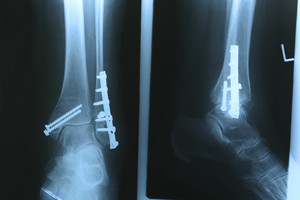 A stress fracture is defined as a hairline fracture that is generally the result of stress the bones endure from high impact activities such as running. Because of this, the feet and lower legs are often susceptible to developing a stress fracture. It is beneficial to implement adequate recovery procedures, despite the fact that many athletes choose to run through the pain and discomfort. A full recovery often begins with refraining from running for approximately four to six weeks, in addition to performing strengthening and flexibility exercises. If the stress fracture is severe, a boot may be worn for stability as the healing process occurs. If you have pain in your foot that increases gradually, it is strongly suggested that you visit a podiatrist who can diagnose and treat any potential stress fractures.
Stress fractures occur when there is a tiny crack within a bone. To learn more, contact Roy Rothman, DPM from Florida. Our doctor can provide the care you need to keep you pain free and on your feet.
How Are They Caused?
Stress fractures are the result of repetitive force being placed on the bone. Since the lower leg and feet often carry most of the body’s weight, stress fractures are likely to occur in these areas. If you rush into a new exercise, you are more likely to develop a stress fracture since you are starting too much, too soon. Pain resulting from stress fractures may go unnoticed at first, however it may start to worsen over time.
Risk Factors
Stress fractures do not always heal properly, so it is important that you seek help from a podiatrist if you suspect you may have one. Ignoring your stress fracture may cause it to worsen, and you may develop chronic pain as well as additional fractures.
If you have any questions, please feel free to contact our office located in DeBary, FL . We offer the newest diagnostic and treatment technologies for all your foot care needs.


Suffering from this type of pain? You may have the foot condition known as Morton's neuroma. Morton's neuroma may develop as a result of ill-fitting footwear and existing foot deformities. We can help.

 The fat pad is a thick layer of fat located underneath the balls and heels of the feet. It provides cushioning to minimize the effects of friction and pressure on the feet, while also anchoring the feet to help you shift your body weight. Fat pad atrophy is the gradual loss of fat from the ball or the heel of the foot. This process is often associated with aging, but may also be caused by collapsed bones, high arches, foot injuries, arthritis, improper footwear, diabetes, steroid injections, certain medications, and genetic factors. Fat pad atrophy leads to symptoms such as pain in the balls and heels of the feet, swelling, and the formation of calluses. Pain is usually at its worst when walking, standing for prolonged periods of time, or wearing high heels. If you are experiencing fat pad atrophy, it is suggested that you seek the care of a podiatrist.
Many people suffer from bouts of heel pain. For more information, contact Roy Rothman, DPM of Florida. Our doctor can provide the care you need to keep you pain-free and on your feet.
Causes of Heel Pain
Heel pain is often associated with plantar fasciitis. The plantar fascia is a band of tissues that extends along the bottom of the foot. A rip or tear in this ligament can cause inflammation of the tissue.
Achilles tendonitis is another cause of heel pain. Inflammation of the Achilles tendon will cause pain from fractures and muscle tearing. Lack of flexibility is also another symptom.
Heel spurs are another cause of pain. When the tissues of the plantar fascia undergo a great deal of stress, it can lead to ligament separation from the heel bone, causing heel spurs.
Why Might Heel Pain Occur?
Treatments
Heel pain should be treated as soon as possible for immediate results. Keeping your feet in a stress-free environment will help. If you suffer from Achilles tendonitis or plantar fasciitis, applying ice will reduce the swelling. Stretching before an exercise like running will help the muscles. Using all these tips will help make heel pain a condition of the past.
If you have any questions, please feel free to contact our office located in DeBary, FL . We offer the newest diagnostic and treatment technologies for all your foot care needs.


 Follow Us