
Roy A. Rothman, DPM, PA
Podiatric Medicine and SurgeonFoot & Ankle Specialist

 An ingrown toenail is noticeable when the toenail grows into the surrounding skin. This is a condition that can cause severe pain and discomfort, and can occur for a variety of reasons. These can include genetic factors, wearing shoes that do not fit properly, or it may happen if the toenail has endured an injury. Common symptoms many patients have include swelling, redness, and soreness in the surrounding area. It may feel better if you soak the affected toe in warm water, as this can help to soften the area so the nail can separate from the skin. If you have developed an ingrown toenail, please speak to a podiatrist as quickly as possible so the correct treatment can begin.
Ingrown toenails can become painful if they are not treated properly. For more information about ingrown toenails, contact Roy Rothman, DPM of Florida. Our doctor can provide the care you need to keep you pain-free and on your feet.
Ingrown Toenails
Ingrown toenails occur when a toenail grows sideways into the bed of the nail, causing pain, swelling, and possibly infection.
Causes
Prevention
Wearing proper fitting shoes and using proper cutting techniques will also help decrease your risk of developing ingrown toenails.
Treatment
Ingrown toenails are a very treatable foot condition. In minor cases, soaking the affected area in salt or antibacterial soaps will not only help with the ingrown nail itself, but also help prevent any infections from occurring. In more severe cases, surgery is an option. In either case, speaking to your podiatrist about this condition will help you get a better understanding of specific treatment options that are right for you.
If you have any questions, please feel free to contact our office located in DeBary, FL . We offer the newest diagnostic and treatment technologies for all your foot care needs.

 A foot massage is defined as the manipulation and massage of muscles, and has several benefits, and it is an effective form of foot therapy. Benefits can include increased blood flow, improvement in the circulatory system, and minimizing joint pain. Additionally, research has indicated that endorphins may be increased, and happy moods may be felt more often. Several patients reporting existing depression or anxiety find that frequent foot massages can be a helpful tool in managing their condition. Blood pressure and a healthy heart rate may be positive aspects from receiving this type of foot therapy. If you would like more information about the benefits of foot massages, please confer with a podiatrist who can provide you with useful information.
Foot therapy is often necessary for those recovering from either foot deformities or foot injuries. If you have concerns regarding therapy, Roy Rothman, DPM of Florida. Our doctor can provide the care you need to keep you pain-free and on your feet.
Most Common Injuries
People who are active or athletes are prone to a variety of injuries. Therefore, it is often important to take part in physical therapy in order to quickly get back on the right track.
What to Do When Injured
Physical Therapy – This specialized treatment will focus on the affected area, speeding up recovery and the overall healing process. It is a proven method that has helped millions of people return from any injury.
During physical therapy you will undergo regimented training to get back into full form. Training is often very difficult, especially at first when the foot feels weak. Physical therapy often involves:
Basic stretching and twisting exercises – getting the feet’s mobility and flexibility up.
Massaging – the therapist will massage the injured area in order to activate the muscles and relax them.
Strengthening Exercises – this allows the muscles in the affected area to regain their full strength, a vital step towards full recovery.
If you have any questions please feel free to contact our office located in DeBary, FL . We offer the newest diagnostic tools and technology to treat your foot and ankle needs.
Read more about Foot Therapy for Sports Injuries
 Foot surgery may be necessary for a variety of conditions when nonsurgical methods do not yield results or when the condition is severe. Depending on what is causing it and its severity, chronic foot pain may require surgery. A foot injury, such as a fracture or ruptured Achilles tendon may require surgery as well. Foot deformities, including bunions, hammertoes, and bone spurs may need to be surgically corrected if they cause significant symptoms and conservative treatment methods are ineffective. Other conditions that could warrant surgery include arthritis and neuromas. If you are experiencing foot pain, it is recommended that you consult with a podiatrist who can help find the right treatment for you.
Foot surgery is sometimes necessary to treat a foot ailment. To learn more, contact Roy Rothman, DPM of Florida. Our doctor will assist you with all of your foot and ankle needs.
When Is Surgery Necessary?
Foot and ankle surgery is generally reserved for cases in which less invasive, conservative procedures have failed to alleviate the problem. Some of the cases in which surgery may be necessary include:
What Types of Surgery Are There?
The type of surgery you receive will depend on the nature of the problem you have. Some of the possible surgeries include:
Benefits of Surgery
Although surgery is usually a last resort, it can provide more complete pain relief compared to non-surgical methods and may allow you to finally resume full activity.
Surgical techniques have also become increasingly sophisticated. Techniques like endoscopic surgery allow for smaller incisions and faster recovery times.
If you have any questions, please feel free to contact our office located in DeBary, FL . We offer the newest diagnostic and treatment technologies for all your foot care needs.


Plantar warts are small growths that develop on parts of the feet that bear weight. They're typically found on the bottom of the foot. Don't live with plantar warts, and call us today!

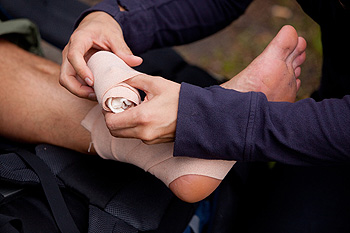 High ankle sprains occur when the upper ligaments of the ankle are torn or damaged. While low ankle sprains are more common and usually occur from the ankle rolling inwards, high ankle sprains usually occur when the ankle rolls out and the deltoid ligaments on the inside of the ankle are torn. High ankle sprains can occur when the ankle bone or the fibula have already been fractured. If you are experiencing a high ankle sprain without a fracture, the foot will likely be able to bear weight, but the pain will be felt above the ankle between the tibia and fibula. If you believe that you have experienced a high ankle sprain, you will need to visit a podiatrist to rule out any broken bones or severe ligament damage. Upon diagnosis, a high ankle sprain can require 6-12 weeks for a full recovery and your podiatrist will provide various treatment options that are best for you.
Ankle sprains are common but need immediate attention. If you need your feet checked, contact Roy Rothman, DPM from Florida. Our doctor can provide the care you need to keep you pain-free and on your feet.
How Does an Ankle Sprain Occur?
Ankle sprains take place when the ligaments in your ankle are torn or stretched beyond their limits. There are multiple ways that the ankle can become injured, including twisting or rolling over onto your ankle, putting undue stress on it, or causing trauma to the ankle itself.
What Are the Symptoms?
Preventing a Sprain
Treatment of a Sprain
Treatment of a sprain depends on the severity. Many times, people are told to rest and remain off their feet completely, while others are given an air cast. If the sprain is very severe, surgery may be required.
If you have suffered an ankle sprain previously, you may want to consider additional support such as a brace and regular exercises to strengthen the ankle.
If you have any questions please feel free to contact our office located in DeBary, FL . We offer the newest diagnostic tools and technology to treat your foot and ankle needs.


 Follow Us