
Roy A. Rothman, DPM, PA
Podiatric Medicine and SurgeonFoot & Ankle Specialist
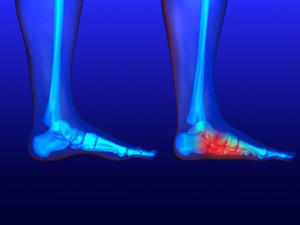

Flat feet, or pes planus, come in two main types, which are flexible and rigid. Flexible flat feet show arches that flatten when standing but are visible when sitting, while rigid flat feet have no arch even when sitting. Symptoms often include foot pain, swelling, and difficulty walking or standing for long periods. Risk factors include genetic predisposition, obesity, and certain medical conditions like arthritis. To alleviate discomfort, specific stretches can be helpful. Stretching the Achilles tendon and calf muscles can relieve tension and improve foot flexibility. Foot exercises, such as toe curls and arch lifts, strengthen the muscles supporting the arch. If you have flat feet, it is strongly suggested that you are under the care of a podiatrist who can offer effective relief solutions.
Flatfoot is a condition many people suffer from. If you have flat feet, contact Roy Rothman, DPM from Florida. Our doctor will treat your foot and ankle needs.
What Are Flat Feet?
Flatfoot is a condition in which the arch of the foot is depressed and the sole of the foot is almost completely in contact with the ground. About 20-30% of the population generally has flat feet because their arches never formed during growth.
Conditions & Problems:
Having flat feet makes it difficult to run or walk because of the stress placed on the ankles.
Alignment – The general alignment of your legs can be disrupted, because the ankles move inward which can cause major discomfort.
Knees – If you have complications with your knees, flat feet can be a contributor to arthritis in that area.
Symptoms
Treatment
If you are experiencing pain and stress on the foot you may weaken the posterior tibial tendon, which runs around the inside of the ankle.
If you have any questions, please feel free to contact our office located in DeBary, FL . We offer the newest diagnostic and treatment technologies for all your foot care needs.


If left untreated, an ingrown toenail can lead to more serious concerns, such as an infection. Knowing proper nail care can help in the prevention of an ingrown toenail. Give us a call, and get treated!


Preventing falls both at work and in the home is vital for safety and well-being. In the workplace, maintaining a clean, clutter-free environment and ensuring that all walkways are well-lit can significantly reduce fall risks. Employees should be encouraged to use proper footwear with slip-resistant soles and to secure any loose cables or cords. At home, keeping floors tidy and free from obstacles is essential. Use non-slip mats in bathrooms and secure rugs to prevent slipping. Ensure adequate lighting in hallways and staircases to improve visibility. Installing handrails on stairs and in bathrooms can provide additional support. Additionally, regularly checking and repairing any worn or uneven flooring can also help prevent accidents. Various foot and ankle injuries can happen from falling. If this applies to you, it is suggested that you visit a podiatrist who can effectively treat these types of ailments, and guide you on additional fall prevention techniques.
Preventing falls among the elderly is very important. If you are older and have fallen or fear that you are prone to falling, consult with Roy Rothman, DPM from Florida. Our doctor will assess your condition and provide you with quality advice and care.
Every 11 seconds, an elderly American is being treated in an emergency room for a fall related injury. Falls are the leading cause of head and hip injuries for those 65 and older. Due to decreases in strength, balance, senses, and lack of awareness, elderly persons are very susceptible to falling. Thankfully, there are a number of things older persons can do to prevent falls.
How to Prevent Falls
Some effective methods that older persons can do to prevent falls include:
Falling can be a traumatic and embarrassing experience for elderly persons; this can make them less willing to leave the house, and less willing to talk to someone about their fears of falling. Doing such things, however, will increase the likelihood of tripping or losing one’s balance. Knowing the causes of falling and how to prevent them is the best way to mitigate the risk of serious injury.
If you have any questions, please feel free to contact our office located in DeBary, FL . We offer the newest diagnostic and treatment technologies for all your foot care needs.

 Ankle muscle strength is important for maintaining stability, balance, and overall mobility. Strong ankle muscles support daily activities such as walking, running, and jumping, and help prevent injuries by providing support and absorbing shock. Ankle muscle testing evaluates the strength and functionality of the muscles surrounding the ankle joint. This assessment helps to identify weaknesses or imbalances that may contribute to instability or increased injury risk. Testing typically involves exercises and movements that challenge the ankle's range of motion and strength, such as resistance tests and functional tasks. Poor ankle strength can result from injury, inactivity, or medical conditions like arthritis. If ankle strength is found to be poor, targeted exercises, and strength training can help improve muscle function. Addressing underlying causes, such as correcting biomechanical issues or treating injuries, is also essential to restoring optimal ankle strength and function. If you have ankle pain and feel weakness in your ankles, it is suggested that you schedule an appointment with a podiatrist for an evaluation and treatment options.
Ankle pain can have many different causes and the pain may potentially be serious. If you have ankle pain, consult with Roy Rothman, DPM from Florida. Our doctor will assess your condition and provide you with quality foot and ankle treatment.
Ankle pain is any condition that causes pain in the ankle. Due to the fact that the ankle consists of tendons, muscles, bones, and ligaments, ankle pain can come from a number of different conditions.
Causes
The most common causes of ankle pain include:
Symptoms
Symptoms of ankle injury vary based upon the condition. Pain may include general pain and discomfort, swelling, aching, redness, bruising, burning or stabbing sensations, and/or loss of sensation.
Diagnosis
Due to the wide variety of potential causes of ankle pain, podiatrists will utilize a number of different methods to properly diagnose ankle pain. This can include asking for personal and family medical histories and of any recent injuries. Further diagnosis may include sensation tests, a physical examination, and potentially x-rays or other imaging tests.
Treatment
Just as the range of causes varies widely, so do treatments. Some more common treatments are rest, ice packs, keeping pressure off the foot, orthotics and braces, medication for inflammation and pain, and surgery.
If you have any questions please feel free to contact our office located in DeBary, FL . We offer the newest diagnostic tools and technology to treat your foot and ankle needs.


Metatarsal stress fractures, affecting the long bones in the foot, can vary in severity and type. Stress fractures, common in athletes and runners, result from repetitive impact or overuse, causing tiny cracks in the bone. These types of fractures typically develop gradually, causing pain, tenderness, and swelling that worsen with activity. Overuse, such as prolonged walking or running on hard surfaces without adequate rest, increases the risk of foot stress fractures. Proper diagnosis through imaging and treatment, including rest, immobilization, and sometimes surgery, is essential for recovery and preventing long-term complications associated with metatarsal fractures. If you have foot pain and believe you may have a stress fracture, it is suggested that you confer with a podiatrist who can properly diagnose and treat this type of foot injury.
Activities where too much pressure is put on the feet can cause stress fractures. To learn more, contact Roy Rothman, DPM from Florida. Our doctor can provide the care you need to keep your pain free and on your feet.
Dealing with Stress Fractures of the Foot and Ankle
Stress fractures occur in the foot and ankle when muscles in these areas weaken from too much or too little use. The feet and ankles then lose support when walking or running from the impact of the ground. Since there is no protection, the bones receive the full impact of each step. Stress on the feet can cause cracks to form in the bones, thus creating stress fractures.
What Are Stress Fractures?
Stress fractures occur frequently in individuals whose daily activities cause great impact on the feet and ankles. Stress factors are most common among:
Symptoms
Pain from the fractures occur in the area of the fractures and can be constant or intermittent. It will often cause sharp or dull pain with swelling and tenderness. Engaging in any kind of activity which involves high impact will aggravate pain.
If you have any questions please feel free to contact our office located in DeBary, FL . We offer the newest diagnostic and treatment technologies for all your foot and ankle needs.


 Follow Us