
Roy A. Rothman, DPM, PA
Podiatric Medicine and SurgeonFoot & Ankle Specialist


Falls can lead to serious foot and ankle injuries, from sprains and fractures to long-term mobility issues. While anyone can fall, children and seniors are especially vulnerable. Kids, with their endless energy and unsteady coordination, often take tumbles, while aging adults face balance challenges and weaker bones. Surprisingly, men are more likely to die from a fall, while women are more likely to suffer lasting disabilities. Prevention is key. Seniors should focus on balance exercises, wearing proper footwear, and removing trip hazards at home. Good lighting, handrails, and assistive devices can also help. Children benefit from safe play areas, wearing non-slip socks, and learning to navigate stairs carefully. When falls do happen, injuries may not always seem severe at first. Ignoring them can lead to long-term damage. If foot or ankle pain lingers after a fall, it is suggested that you schedule an appointment with a podiatrist for evaluation and appropriate treatment.
Preventing falls among the elderly is very important. If you are older and have fallen or fear that you are prone to falling, consult with Roy Rothman, DPM from Florida. Our doctor will assess your condition and provide you with quality advice and care.
Every 11 seconds, an elderly American is being treated in an emergency room for a fall related injury. Falls are the leading cause of head and hip injuries for those 65 and older. Due to decreases in strength, balance, senses, and lack of awareness, elderly persons are very susceptible to falling. Thankfully, there are a number of things older persons can do to prevent falls.
How to Prevent Falls
Some effective methods that older persons can do to prevent falls include:
Falling can be a traumatic and embarrassing experience for elderly persons; this can make them less willing to leave the house, and less willing to talk to someone about their fears of falling. Doing such things, however, will increase the likelihood of tripping or losing one’s balance. Knowing the causes of falling and how to prevent them is the best way to mitigate the risk of serious injury.
If you have any questions, please feel free to contact our office located in DeBary, FL . We offer the newest diagnostic and treatment technologies for all your foot care needs.


Custom orthotics, or shoe inserts, should be periodically replaced. Orthotics must fit properly to give you the best results. Protect your feet and ankles!


Sesamoiditis is a painful condition that affects two small sesamoid bones located under the big toe joint. It occurs when these bones become irritated or inflamed, usually due to overuse or repetitive pressure from high-impact activities like running or jumping. Symptoms include pain at the base of the big toe, swelling, and tenderness, especially when bearing weight or pushing off during walking or running. The pain from sesamoiditis can feel sharp or throbbing, and it often worsens with activity. Rest and anti-inflammatory medications are common initial treatments. Wearing cushioned footwear or using custom orthotics to reduce pressure on the affected area can also help. In more severe cases, your podiatrist may recommend corticosteroid injections. This type of doctor specializes in diagnosing and treating conditions like sesamoiditis, helping to reduce pain and prevent further damage. If you are experiencing pain near the base of your big toe, it is suggested that you schedule an appointment with a podiatrist for a tailored treatment plan.
Sesamoiditis is an unpleasant foot condition characterized by pain in the balls of the feet. If you think you’re struggling with sesamoiditis, contact Roy Rothman, DPM of Florida. Our doctor will treat your condition thoroughly and effectively.
Sesamoiditis
Sesamoiditis is a condition of the foot that affects the ball of the foot. It is more common in younger people than it is in older people. It can also occur with people who have begun a new exercise program, since their bodies are adjusting to the new physical regimen. Pain may also be caused by the inflammation of tendons surrounding the bones. It is important to seek treatment in its early stages because if you ignore the pain, this condition can lead to more serious problems such as severe irritation and bone fractures.
Causes of Sesamoiditis
Treatment for sesamoiditis is non-invasive and simple. Doctors may recommend a strict rest period where the patient forgoes most physical activity. This will help give the patient time to heal their feet through limited activity. For serious cases, it is best to speak with your doctor to determine a treatment option that will help your specific needs.
If you have any questions, please feel free to contact our office located in DeBary, FL . We offer the newest diagnostic and treatment technologies for all your foot care needs.


Toenail fungus, also called onychomycosis, is a common infection that makes nails thick, discolored, brittle, and sometimes painful. It happens when fungi get under the nail, often due to warm, moist conditions. Walking barefoot in public places like around pools, gyms, or locker rooms increases the risk. People with diabetes, poor circulation, or a weakened immune system are more prone to it. A podiatrist can diagnose toenail fungus by examining the nail and sometimes taking a sample for testing. Treatments include topical antifungal medications, which work best for mild to moderate cases, and oral medications for more severe infections. If oral treatments are not an option due to health reasons, topical therapy may still be effective. Laser treatment or nail removal may be needed in stubborn cases. If your toenails are thick, brittle, or discolored, it is suggested that you see a podiatrist for appropriate treatment solutions.
If left untreated, toenail fungus may spread to other toenails, skin, or even fingernails. If you suspect you have toenail fungus it is important to seek treatment right away. For more information about treatment, contact Roy Rothman, DPM of Florida. Our doctor can provide the care you need to keep you pain-free and on your feet.
Symptoms
Treatment
If self-care strategies and over-the-counter medications does not help your fungus, your podiatrist may give you a prescription drug instead. Even if you find relief from your toenail fungus symptoms, you may experience a repeat infection in the future.
Prevention
In order to prevent getting toenail fungus in the future, you should always make sure to wash your feet with soap and water. After washing, it is important to dry your feet thoroughly especially in between the toes. When trimming your toenails, be sure to trim straight across instead of in a rounded shape. It is crucial not to cover up discolored nails with nail polish because that will prevent your nail from being able to “breathe”.
In some cases, surgical procedure may be needed to remove the toenail fungus. Consult with your podiatrist about the best treatment options for your case of toenail fungus.
If you have any questions please contact our office located in DeBary, FL . We offer the newest diagnostic and treatment technologies for all your foot and ankle needs.

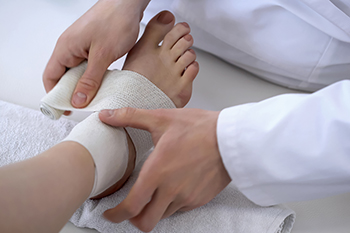
A sprained ankle occurs when the ligaments that connect the bones in the ankle are stretched or torn, typically from twisting, rolling, or landing awkwardly on the foot. It differs from a strain, which involves damage to the muscles or tendons. Symptoms of a sprained ankle include pain, swelling, bruising, and difficulty moving the ankle, especially when walking or standing. The pain often intensifies when weight is placed on the injured foot. Treatment for a sprained ankle usually includes rest and elevation. In severe cases, a brace or crutches may be necessary to keep weight off the foot. Targeted exercises may also be recommended to strengthen the ankle and prevent future injuries. A podiatrist can assess the severity of the sprain, offer pain relief options, and guide you through rehabilitation exercises for proper healing. If you are experiencing ankle pain, it is suggested that you schedule an appointment with a podiatrist.
Although ankle sprains are common, they aren’t always minor injuries. If you need your ankle injury looked at, contact Roy Rothman, DPM from Florida. Our doctor can provide the care you need to keep you pain-free and on your feet.
How Does an Ankle Sprain Occur?
Ankle sprains are the result of a tear in the ligaments within the ankle. These injuries may happen when you make a rapid shifting movement while your foot is planted. A less common way to sprain your ankle is when your ankle rolls inward while your foot turns outward.
What Are the Symptoms?
Preventing a Sprain
Treatment of a Sprain
In many cases, the RICE method (Rest, Ice, Compression, and Elevate) is used to treat ankle sprains. However, you should see a podiatrist to see which treatment option would work best with your injury. In severe cases, surgery may be required.
It is important to ask your doctor about rehab options after you receive treatment for your injury. Stretching, strength training, and balance exercises may help the ankle heal while also preventing further injury.
If you have any questions, please feel free to contact our office located in DeBary, FL . We offer the newest diagnostic and treatment technologies for all your foot care needs.


 Follow Us