
Roy A. Rothman, DPM, PA
Podiatric Medicine and SurgeonFoot & Ankle Specialist


Diabetes can create a perfect storm of complications which sometimes leads to ulcers on the feet that go undetected and don’t heal. While the overwhelming majority of foot ulcers heal with proper foot care and treatment, a foot ulcer that does not heal may lead to infection, tissue necrosis (dead tissue), and—in severe cases—amputation. Diabetic limb salvage is a complex process involving a variety of procedures and techniques with the goal of preserving the limb as much as possible, and reducing the risks of future infections and ulcerations. If you have questions about diabetic foot conditions or would like to know more regarding limb salvage, it is highly suggested that you seek the counsel of a podiatrist.
Limb salvage can be an effective way in preventing the need for limb amputation. If you have diabetes, cancer, or any other condition that could lead to foot amputation if left unchecked, consult with Roy Rothman, DPM from Florida. Our doctor will assess your condition and provide you with quality foot and ankle treatment.
What Is Limb Salvage?
Limb salvage is the attempt of saving a limb, such as the foot from amputation. Podiatrists also try to make sure that there is enough function in the foot after the salvage that it is still usable. Diabetes is the number one cause of non-traumatic amputations in the United States. Those with diabetes experience poor blood circulation, which prevents proper healing of an ulcer. If the ulcer is left uncheck, it could become infected, which could result in the need for amputation.
However, there are other causes as well, such as cancer and traumatic injury. Links between higher mortality rates and amputation have been found. This translates into higher healthcare costs, and a reduced quality of life and mobility for amputees. Podiatrists have attempted to increase the prevalence of limb salvage in an attempt to solve these issues.
Diagnosis and Treatment
Limb salvage teams have grown in recent years that utilize a number of different treatments to save the infected limb. This includes podiatrists that specialize in wound care, rehabilitation, orthotics, and surgery. Through a combination of these methods, limb salvage has been found to be an effective treatment for infected limbs, and as an alternative to amputation. Podiatrists will first evaluate the potential for limb salvage and determine if the limb can be saved or must be amputated.
If you have any questions, please feel free to contact our office located in DeBary, FL . We offer the newest diagnostic and treatment technologies for all your foot care needs.

Over h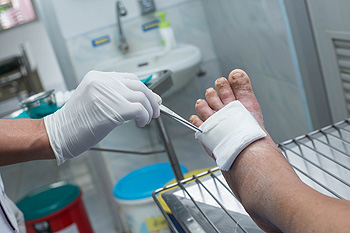 alf of diabetic patients suffer from nerve damage (diabetic neuropathy), which can, among other things, cause them to lose feeling and sensitivity in their feet. Those with diabetes who are also overweight, over 40, or who have high cholesterol, high blood pressure, or unmanageable blood sugar levels are more likely to develop neuropathy. If you have diabetic neuropathy along with poor circulation, you are at risk of developing a cut or other injury on your foot which may not heal properly, turning into a foot ulcer and becoming infected. In rare cases, an untreated diabetic foot ulcer could worsen and possibly lead to amputation. Neuropathy’s decreased sensitivity to pain and lack of feeling makes it incredibly important for the diabetic foot patient to check their feet daily for scratches, sores, blisters and corns, while being under the care of a podiatrist.
Diabetic foot care is important in preventing foot ailments such as ulcers. If you are suffering from diabetes or have any other concerns about your feet, contact Roy Rothman, DPM from Florida. Our doctor can provide the care you need to keep you pain-free and on your feet.
Diabetic Foot Care
Diabetes affects millions of people every year. The condition can damage blood vessels in many parts of the body, especially the feet. Because of this, taking care of your feet is essential if you have diabetes, and having a podiatrist help monitor your foot health is highly recommended.
The Importance of Caring for Your Feet
Patients with diabetes should have their doctor monitor their blood levels, as blood sugar levels play such a huge role in diabetic care. Monitoring these levels on a regular basis is highly advised.
It is always best to inform your healthcare professional of any concerns you may have regarding your feet, especially for diabetic patients. Early treatment and routine foot examinations are keys to maintaining proper health, especially because severe complications can arise if proper treatment is not applied.
If you have any questions, please feel free to contact our office located in DeBary, FL . We offer the newest diagnostic and treatment technologies for all your foot care needs.
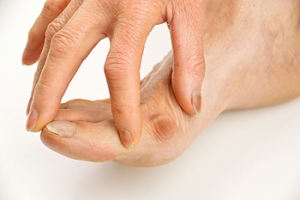
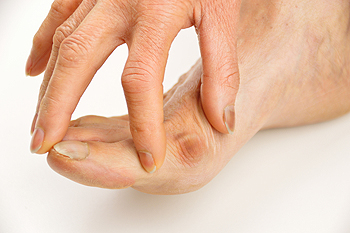
Bunions—a very common foot disorder—are bony protrusions on the joint of the big toe, which cause it to point towards the second toe. Bunions can be very painful and are often genetic, or caused by wearing shoes that are too tight. Bunionettes, or tailor’s bunions, are a form of bunion that appears on the outside of the pinky toe. Bunions and bunionettes are painful, and can cause swelling, redness, and soreness around the joint, along with limited range of movement. Bunions that are left untreated can cause deformities or misalignments in the foot and may require surgery to correct. One of the best ways to prevent bunions and bunionettes from forming is to wear comfortable, low-heeled shoes with a rounded toe-box, which will allow plenty of room for your toes to spread out and move freely. Contact a podiatrist who can offer preventative measures against bunions, or treat them successfully if they do form.
If you are suffering from bunion pain, contact Roy Rothman, DPM of Florida. Our doctor can provide the care you need to keep you pain-free and on your feet.
What Is a Bunion?
Bunions are painful bony bumps that usually develop on the inside of the foot at the joint of the big toe. As the deformity increases over time, it may become painful to walk and wear shoes. Women are more likely to exacerbate existing bunions since they often wear tight, narrow shoes that shift their toes together. Bunion pain can be relieved by wearing wider shoes with enough room for the toes.
Causes
Symptoms
In order to diagnose your bunion, your podiatrist may ask about your medical history, symptoms, and general health. Your doctor might also order an x-ray to take a closer look at your feet. Nonsurgical treatment options include orthotics, padding, icing, changes in footwear, and medication. If nonsurgical treatments don’t alleviate your bunion pain, surgery may be necessary.
If you have any questions, please feel free to contact our office located in DeBary, FL . We offer the newest diagnostic and treatment technologies for all your foot care needs.


Do you suffer from heel pain when you get up in the morning? If so, you should seek professional help and have a proper diagnosis performed. Heel pain can be caused by several different foot-related conditions.


Since many foot problems in children are due to ill-fitting or improper footwear, it’s important to make sure your child wears the right shoes. Check the fit on their shoes every 3-4 months to make sure they haven’t outgrown them. Avoid shoes that are too inflexible, tight, or hand-me-downs—all of which can change the shape of your child’s feet. Babies learning to walk should be barefoot indoors or have on soft-soled shoes to build up muscles and allow toes to grip the floor. Small children should wear non-synthetic, breathable shoes that are flexible and adjustable for a secure fit with a round toe box. Soles should be smooth and not overly grippy—which can alter a child’s gait and restrict their ability to move properly. If you notice any irregularities in the structure of your child’s foot or their gait, make an appointment with a podiatrist for a full examination.
The health of a child’s feet is vital to their overall well-being. If you have any questions regarding foot health, contact Roy Rothman, DPM of Florida. Our doctor can provide the care you need to keep you pain-free and on your feet.
Tips for Keeping Children's Feet Healthy
If you have any questions, please feel free to contact our office located in DeBary, FL . We offer the newest diagnostic and treatment technologies for all your foot care needs.


 Follow Us