
Roy A. Rothman, DPM, PA
Podiatric Medicine and SurgeonFoot & Ankle Specialist
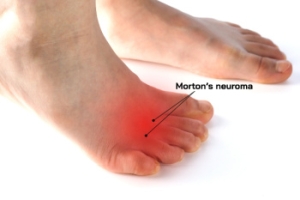
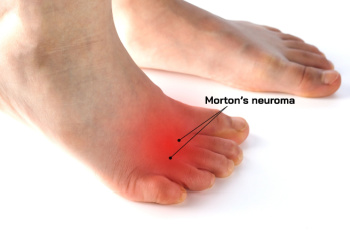
Morton's neuroma is a painful condition characterized by a thickening of the tissue surrounding the nerves leading to the toes, often resulting in a sensation akin to stepping on a pebble. It primarily affects the ball of the foot, typically between the third and fourth toes, and is more common in women and those who wear tight or high-heeled shoes. Prevention strategies include wearing properly fitting footwear with adequate support and cushioning. Diagnosis involves a physical examination, possibly supplemented by imaging tests, such as MRI scans or ultrasounds. Treatment options range from conservative measures such as custom-made orthotics and steroid injections to surgical removal of the affected tissue. If you have this type of foot discomfort, it is suggested that you schedule an appointment with a podiatrist for an accurate diagnosis and treatment plan.
Morton’s neuroma is a very uncomfortable condition to live with. If you think you have Morton’s neuroma, contact Roy Rothman, DPM of Florida. Our doctor will attend to all of your foot care needs and answer any of your related questions.
Morton’s Neuroma
Morton's neuroma is a painful foot condition that commonly affects the areas between the second and third or third and fourth toe, although other areas of the foot are also susceptible. Morton’s neuroma is caused by an inflamed nerve in the foot that is being squeezed and aggravated by surrounding bones.
What Increases the Chances of Having Morton’s Neuroma?
Morton’s neuroma is a very treatable condition. Orthotics and shoe inserts can often be used to alleviate the pain on the forefront of the feet. In more severe cases, corticosteroids can also be prescribed. In order to figure out the best treatment for your neuroma, it’s recommended to seek the care of a podiatrist who can diagnose your condition and provide different treatment options.
If you have any questions, please feel free to contact our office located in DeBary, FL . We offer the newest diagnostic and treatment technologies for all your foot care needs.


You don't need an excuse to have beautiful nails. Step outside without worrying about the appearance of your feet.
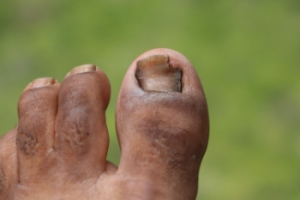
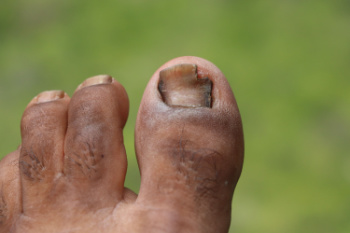
Toenail fungus, also known as onychomycosis, is more than just a cosmetic concern. It is a chronic problem that can cause discomfort and affect quality of life. It occurs when fungi infect the toenail, often thriving in warm, moist environments like sweaty shoes or locker rooms. Factors such as poor hygiene, a compromised immune system, aging, or underlying health conditions like diabetes can increase the risk of toenail fungus. The infection typically begins as a white or yellow spot under the nail, gradually spreading and thickening the nail, causing brittleness, discoloration, and even odor. Individuals who frequently wear closed-toe shoes or have a history of nail trauma are particularly susceptible. If you have toenail fungus, it is suggested that you consult a podiatrist for a proper diagnosis and management. Treatment can include prescribed topical or oral antifungal medications, laser therapy, or surgical intervention, tailored to the severity of the condition.
For more information about treatment, contact Roy Rothman, DPM of Florida. Our doctor can provide the care you need to keep you pain-free and on your feet.
Toenail Fungus Treatment
Toenail fungus is a condition that affects many people and can be especially hard to get rid of. Fortunately, there are several methods to go about treating and avoiding it.
Antifungals & Deterrence
Oral antifungal medicine has been shown to be effective in many cases. It is important to consult with a podiatrist to determine the proper regiment for you, or potentially explore other options.
Applying foot powder on the feet and shoes helps keep the feet free of moisture and sweat.
Sandals or open toed shoes – Wearing these will allow air movement and help keep feet dry. They also expose your feet to light, which fungus cannot tolerate. Socks with moisture wicking material also help as well.
If you have any questions please contact our office located in DeBary, FL . We offer the newest diagnostic and treatment technologies for all your foot and ankle needs.

 Pregnancy, particularly during the third trimester, can contribute to pain in the front of the foot. This discomfort is mostly because of natural weight gain and the resulting increase in pressure on the feet. Additionally, hormonal changes during pregnancy cause the ligaments in the body to relax and stretch in preparation for childbirth, which can lead to a spreading of the feet and a decrease in arch support. This combination of factors can strain the forefoot and lead to conditions like plantar fasciitis, which results in pain and inflammation in the ball of the foot or heel. Podiatrists, or foot doctors, can provide personalized advice on how to manage this pain. Suggestions may include wearing supportive footwear, custom orthotics, and engaging in gentle foot exercises. If you are pregnant and experiencing foot pain, it is suggested that you consult a podiatrist.
Pregnant women with swollen feet can be treated with a variety of different methods that are readily available. For more information about other cures for swollen feet during pregnancy, consult with Roy Rothman, DPM from Florida. Our doctor will attend to all of your foot and ankle needs.
What Foot Problems Can Arise During Pregnancy?
One problem that can occur is overpronation, which occurs when the arch of the foot flattens and tends to roll inward. This can cause pain and discomfort in your heels while you’re walking or even just standing up, trying to support your baby.
Another problem is edema, or swelling in the extremities. This often affects the feet during pregnancy but tends to occur in the later stages.
How Can I Keep My Feet Healthy During Pregnancy?
If you have any questions, please feel free to contact our office located in DeBary, FL . We offer the newest diagnostic and treatment technologies for all your foot care needs.


The abductor hallucis muscle, positioned along the inner border of the foot, is pivotal for big toe movement and upholding the medial longitudinal arch. Yet its pain is often overlooked or misdiagnosed, as it can resemble conditions like plantar fasciitis. Overuse, sudden activity increases, and foot trauma may contribute to abductor hallucis pain. Risk factors such as flat feet, inadequate footwear, and excess weight also make this muscle more vulnerable. People experiencing abductor hallucis pain may notice accompanying symptoms, such as swelling or bruising, especially following traumatic injuries. There may be tenderness when touching the affected area, and they might feel tight bands within the muscle upon palpation. Additionally, muscle tightness can cause sensations of tingling or numbness in the foot. If you have foot pain on the inner part of your foot, it is suggested that you schedule an appointment with a podiatrist for an exam, diagnosis, and treatment options.
Foot Pain
Foot pain can be extremely painful and debilitating. If you have a foot pain, consult with Roy Rothman, DPM from Florida. Our doctor will assess your condition and provide you with quality foot and ankle treatment.
Causes
Foot pain is a very broad condition that could be caused by one or more ailments. The most common include:
Diagnosis
To figure out the cause of foot pain, podiatrists utilize several different methods. This can range from simple visual inspections and sensation tests to X-rays and MRI scans. Prior medical history, family medical history, and any recent physical traumatic events will all be taken into consideration for a proper diagnosis.
Treatment
Treatment depends upon the cause of the foot pain. Whether it is resting, staying off the foot, or having surgery; podiatrists have a number of treatment options available for foot pain.
If you have any questions, please feel free to contact our office located in DeBary, FL . We offer the newest diagnostic and treatment technologies for all your foot care needs.


High ankle pain, which is often referred to as a syndesmotic ankle sprain, occurs when the ligaments connecting the tibia and fibula are injured. This type of lower leg bone injury typically happens when the ankle is twisted forcefully, which causes the ligaments to stretch or tear. Athletes, especially those involved in sports like football and skiing, are more prone to incurring high ankle sprains. Symptoms can include less swelling than typical ankle sprains, difficulty moving the ankle up and down, and trouble bearing weight on the affected leg. Sometimes bruising appears a few days after the injury. It is important to differentiate high ankle sprains from other conditions like fractures or regular ankle sprains to ensure proper treatment. If you experience persistent ankle pain, difficulty walking, or notice swelling and bruising after an injury, it is suggested that you schedule an immediate appointment with a podiatrist for a diagnosis and treatment plan.
Although ankle sprains are common, they aren’t always minor injuries. If you need your ankle injury looked at, contact Roy Rothman, DPM from Florida. Our doctor can provide the care you need to keep you pain-free and on your feet.
How Does an Ankle Sprain Occur?
Ankle sprains are the result of a tear in the ligaments within the ankle. These injuries may happen when you make a rapid shifting movement while your foot is planted. A less common way to sprain your ankle is when your ankle rolls inward while your foot turns outward.
What Are the Symptoms?
Preventing a Sprain
Treatment of a Sprain
In many cases, the RICE method (Rest, Ice, Compression, and Elevate) is used to treat ankle sprains. However, you should see a podiatrist to see which treatment option would work best with your injury. In severe cases, surgery may be required.
It is important to ask your doctor about rehab options after you receive treatment for your injury. Stretching, strength training, and balance exercises may help the ankle heal while also preventing further injury.
If you have any questions, please feel free to contact our office located in DeBary, FL . We offer the newest diagnostic and treatment technologies for all your foot care needs.


 Follow Us