
Roy A. Rothman, DPM, PA
Podiatric Medicine and SurgeonFoot & Ankle Specialist

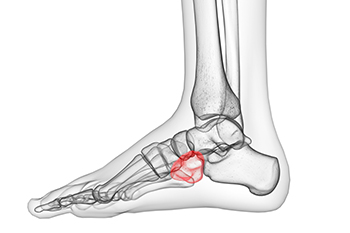 The cuboid bone is one of 8 tarsal bones in the foot that sits just on the outside of the foot near the ankle. When this bone becomes dislocated (either partially or completely), cuboid syndrome may occur. Cuboid syndrome often occurs after an ankle sprain, but it can happen without any other injury. If the peroneal muscle that attaches to the bone pulls the bone too hard, the cuboid can dislocate. Two common symptoms of cuboid syndrome include pain on the outside of the foot (especially when bearing weight) and overpronation of the feet (where they either roll in or flatten). Patients who believe that they may have cuboid syndrome should consult with a podiatrist. A podiatrist will be able to put the bone back into proper alignment, as well as provide suggestions for helping to keep the bone in place.
Cuboid syndrome, also known as cuboid subluxation, occurs when the joints and ligaments near the cuboid bone in the foot become torn. If you have cuboid syndrome, consult with Roy Rothman, DPM from Florida. Our doctor will assess your condition and provide you with quality foot and ankle treatment.
Cuboid syndrome is a common cause of lateral foot pain, which is pain on the outside of the foot. The condition may happen suddenly due to an ankle sprain, or it may develop slowly overtime from repetitive tension through the bone and surrounding structures.
Causes
The most common causes of cuboid syndrome include:
Symptoms
A common symptom of cuboid syndrome is pain along the outside of the foot which can be felt in the ankle and toes. This pain may create walking difficulties and may cause those with the condition to walk with a limp.
Diagnosis
Diagnosis of cuboid syndrome is often difficult, and it is often misdiagnosed. X-rays, MRIs and CT scans often fail to properly show the cuboid subluxation. Although there isn’t a specific test used to diagnose cuboid syndrome, your podiatrist will usually check if pain is felt while pressing firmly on the cuboid bone of your foot.
Treatment
Just as the range of causes varies widely, so do treatments. Some more common treatments are ice therapy, rest, exercise, taping, and orthotics.
If you have any questions, please feel free to contact our office located in DeBary, FL . We offer the newest diagnostic and treatment technologies for all your foot care needs.
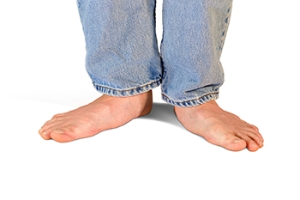
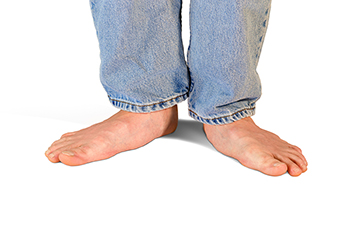 Flat feet are generally easy to notice because the foot lacks an arch. It can develop due to genetics, or if the posterior tibial tendon has become injured. This tendon is responsible for connecting the calf muscles to the inside of the ankle, and it helps to provide the necessary support to the foot. Pain in the foot may be the result of flat feet, and the foot may become easily tired. After a proper diagnosis is made, effective treatment methods can be determined. Some patients have found relief when custom-made orthotics are worn, and this may help to provide the necessary support as daily activities are accomplished. If you have flat feet, it is suggested that you be under the care of a podiatrist who can properly monitor this condition.
Flatfoot is a condition many people suffer from. If you have flat feet, contact Roy Rothman, DPM from Florida. Our doctor will treat your foot and ankle needs.
What Are Flat Feet?
Flatfoot is a condition in which the arch of the foot is depressed and the sole of the foot is almost completely in contact with the ground. About 20-30% of the population generally has flat feet because their arches never formed during growth.
Conditions & Problems:
Having flat feet makes it difficult to run or walk because of the stress placed on the ankles.
Alignment – The general alignment of your legs can be disrupted, because the ankles move inward which can cause major discomfort.
Knees – If you have complications with your knees, flat feet can be a contributor to arthritis in that area.
Symptoms
Treatment
If you are experiencing pain and stress on the foot you may weaken the posterior tibial tendon, which runs around the inside of the ankle.
If you have any questions, please feel free to contact our office located in DeBary, FL . We offer the newest diagnostic and treatment technologies for all your foot care needs.
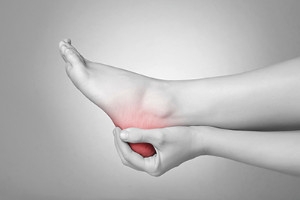
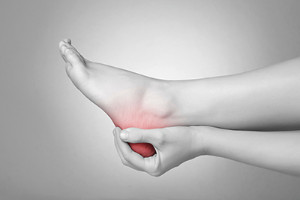 Overuse and repetitive motion is the cause of Sever’s disease. It is a condition that affects the heel of the foot in young children and teenagers, and typically occurs in active people of this age group. It happens as a result of the muscles, tendons, and ligaments pulling on the growth plate in the heel when overuse occurs. Common symptoms that are associated with this condition can consist of heel pain, and it is often worse upon arising in the morning. Effective treatments often begin with temporarily stopping the activity that caused the condition, followed by elevating the affected foot. If you notice your child is limping, please schedule a consultation with a podiatrist who can properly treat Sever’s disease.
Sever's disease often occurs in children and teens. If your child is experiencing foot or ankle pain, see Roy Rothman, DPM from Florida. Our doctor can treat your child’s foot and ankle needs.
Sever’s Disease
Sever’s disease is also known as calcaneal apophysitis, which is a medical condition that causes heel pain I none or both feet. The disease is known to affect children between the ages of 8 and 14.
Sever’s disease occurs when part of the child’s heel known as the growth plate (calcaneal epiphysis) is attached to the Achilles tendon. This area can suffer injury when the muscles and tendons of the growing foot do not keep pace with bone growth. Therefore, the constant pain which one experiences at the back of the heel will make the child unable to put any weight on the heel. The child is then forced to walk on their toes.
Symptoms
Acute pain – Pain associated with Sever’s disease is usually felt in the heel when the child engages in physical activity such as walking, jumping and or running.
Highly active – Children who are very active are among the most susceptible in experiencing Sever’s disease, because of the stress and tension placed on their feet.
If you have any questions, please feel free to contact our office located in DeBary, FL . We offer the newest diagnostic and treatment technologies for all your foot care needs.

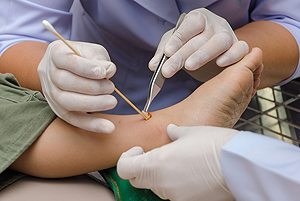
Diabetic foot ulcers (DFUs) are wounds that occur on the feet of diabetic patients. These wounds may heal poorly, slowly, and have an increased risk of becoming infected. Because of this, prompt and proper wound care is necessary. Your podiatrist may treat your DFU by keeping pressure off of the wound using casts, boots, specialty shoes, or off-loading devices. The wound may also need to be debrided, which involves removing dead or damaged tissue and any foreign objects from the wound. You will then need to keep the foot clean and dry and moisturize the area with a prescribed cream to promote healing. Your doctor might also suggest ways to improve your circulation or prescribe additional therapies to encourage the wound to heal. For more information about caring for DFUs, please consult with a podiatrist.
Wound care is an important part in dealing with diabetes. If you have diabetes and a foot wound or would like more information about wound care for diabetics, consult with Roy Rothman, DPM from Florida. Our doctor will assess your condition and provide you with quality foot and ankle treatment.
What Is Wound Care?
Wound care is the practice of taking proper care of a wound. This can range from the smallest to the largest of wounds. While everyone can benefit from proper wound care, it is much more important for diabetics. Diabetics often suffer from poor blood circulation which causes wounds to heal much slower than they would in a non-diabetic.
What Is the Importance of Wound Care?
While it may not seem apparent with small ulcers on the foot, for diabetics, any size ulcer can become infected. Diabetics often also suffer from neuropathy, or nerve loss. This means they might not even feel when they have an ulcer on their foot. If the wound becomes severely infected, amputation may be necessary. Therefore, it is of the upmost importance to properly care for any and all foot wounds.
How to Care for Wounds
The best way to care for foot wounds is to prevent them. For diabetics, this means daily inspections of the feet for any signs of abnormalities or ulcers. It is also recommended to see a podiatrist several times a year for a foot inspection. If you do have an ulcer, run the wound under water to clear dirt from the wound; then apply antibiotic ointment to the wound and cover with a bandage. Bandages should be changed daily and keeping pressure off the wound is smart. It is advised to see a podiatrist, who can keep an eye on it.
If you have any questions please contact our office located in DeBary, FL . We offer the newest diagnostic and treatment technologies for all your foot and ankle needs.


If left untreated, an ingrown toenail can lead to more serious concerns, such as an infection. Knowing proper nail care can help in the prevention of an ingrown toenail. Give us a call, and get treated!


 Follow Us