
Roy A. Rothman, DPM, PA
Podiatric Medicine and SurgeonFoot & Ankle Specialist


Choosing the right long distance running shoes is essential for comfort, performance, and injury prevention. One important factor is the weight of the shoe, as lighter options can reduce fatigue over long distances. The type of terrain also plays a role, with trail shoes offering better grip and protection, while road shoes provide smoother soles for pavement running. Cushioning is vital for absorbing impact and reducing stress on joints, especially during extended runs. Heel drop, or the height difference between the heel and toe, affects stride and should match your running style and body mechanics. Support features, such as arch support and heel stability, help maintain proper alignment and prevent overuse injuries. If you have foot pain from wearing the wrong type of shoes while running, it is suggested that you consult a podiatrist who can treat various foot conditions and educate you further on proper running shoes.
If you are a runner, wearing the right running shoe is essential. For more information, contact Roy Rothman, DPM from Florida. Our doctor can provide the care you need to keep you pain-free and on your feet.
Choosing the Right Running Shoe for Your Foot Type
To increase performance and avoid the risk of injury, it is important to choose the right running shoe based on your foot type. The general design of running shoes revolves around pronation, which is how the ankle rolls from outside to inside when the foot strikes the ground.
If you have any questions, please feel free to contact our office located in DeBary, FL . We offer the newest diagnostic and treatment technologies for all your foot care needs.


Your feet are covered most of the day. If you're diabetic, periodic screening is important for good health. Numbness is often a sign of diabetic foot and can mask a sore or wound.


A plantar wart is a small growth that appears on the bottom of the foot and is caused by the human papillomavirus. This virus enters the body through tiny cuts or breaks in the skin and thrives in warm, moist environments such as public showers, locker rooms, and around swimming pools. Plantar warts often appear as rough, grainy lesions with black pinpoints in the center and can cause discomfort or pain when walking. The virus spreads through direct contact, either person to person or from contaminated surfaces. Wearing shoes in public areas, keeping feet clean and dry, and avoiding contact with existing warts can help reduce the risk of infection. As they grow inward, plantar warts can be painful as a result of standing or walking for long periods. If you have developed this condition, it is suggested that you promptly consult a podiatrist who can offer effective treatment solutions.
Plantar warts can be very uncomfortable. If you need your feet checked, contact Roy Rothman, DPM from Florida. Our doctor will assist you with all of your foot and ankle needs.
About Plantar Warts
Plantar warts are the result of HPV, or human papillomavirus, getting into open wounds on the feet. They are mostly found on the heels or balls of the feet.
While plantar warts are generally harmless, those experiencing excessive pain or those suffering from diabetes or a compromised immune system require immediate medical care. Plantar warts are easily diagnosed, usually through scraping off a bit of rough skin or by getting a biopsy.
Symptoms
Treatment
To help prevent developing plantar warts, avoid walking barefoot over abrasive surfaces that can cause cuts or wounds for HPV to get into. Avoiding direct contact with other warts, as well as not picking or rubbing existing warts, can help prevent the further spread of plantar warts. However, if you think you have developed plantar warts, speak to your podiatrist. He or she can diagnose the warts on your feet and recommend the appropriate treatment options.
If you have any questions, please feel free to contact our office located in DeBary, FL . We offer the newest diagnostic and treatment technologies for all your foot care needs.
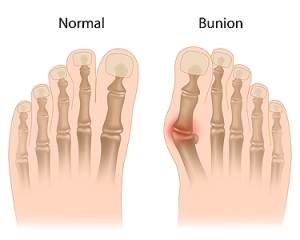
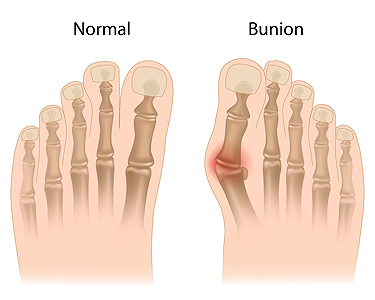
A bunion is a bony bump that forms at the joint where your big toe meets your foot. It often develops slowly as the toe shifts inward and the joint pushes outward. Wearing tight shoes, foot shape, or genetics can all play a role. Over time, the area may swell, feel sore, or become red and irritated. Walking can become uncomfortable, especially in narrow or stiff shoes. Pads, wider footwear, and custom orthotics may ease pressure and help reduce pain. In more severe cases, surgery may be considered to realign the toe and remove the bump. Bunions do not go away on their own, and waiting too long can make treatment more difficult. If you notice a bump forming or feel pain near your big toe, it is suggested you see a podiatrist for diagnosis and appropriate treatment.
If you are suffering from bunions, contact Roy Rothman, DPM of Florida. Our doctor can provide the care you need to keep you pain-free and on your feet.
What Is a Bunion?
A bunion is formed of swollen tissue or an enlargement of boney growth, usually located at the base joint of the toe that connects to the foot. The swelling occurs due to the bones in the big toe shifting inward, which impacts the other toes of the foot. This causes the area around the base of the big toe to become inflamed and painful.
Why Do Bunions Form?
Genetics – Susceptibility to bunions are often hereditary
Stress on the feet – Poorly fitted and uncomfortable footwear that places stress on feet, such as heels, can worsen existing bunions
How Are Bunions Diagnosed?
Podiatrists often perform two tests – blood tests and x-rays – when trying to diagnose bunions, especially in the early stages of development. Blood tests help determine if the foot pain is being caused by something else, such as arthritis, while x-rays provide a clear picture of your bone structure to your provider.
How Are Bunions Treated?
If you have any questions, please feel free to contact our office located in DeBary, FL . We offer the newest diagnostic and treatment technologies for all your foot care needs.


The foot contains many small muscles, called intrinsic foot muscles, that help support the arch, control movement, and keep the foot stable during walking or running. Newer studies suggest that training these muscles can improve foot strength and function, especially in people with flat feet, foot pain, or balance issues. Simple exercises like toe curls, towel scrunches, or trying to spread the toes apart can help activate and strengthen these muscles. Over time, this kind of training may reduce strain on larger muscles and improve how the foot absorbs impact. It may also help with posture and reduce the risk of injury during activity. Although research is still growing, early findings are encouraging. If you experience foot fatigue, arch problems, or feel unsteady on your feet, it is suggested that you see a podiatrist for a diagnosis and appropriate treatment.
Exercising your feet regularly with the proper foot wear is a great way to prevent injuries and build strength. If you have any concerns about your feet, contact Roy Rothman, DPM from Florida. Our doctor can provide the care you need to keep you pain-free and on your feet.
Exercise for Your Feet
Exercise for your feet can help you gain strength, mobility and flexibility in your feet. They say that strengthening your feet can be just as rewarding as strengthening another part of the body. Your feet are very important, and we often forget about them in our daily tasks. But it is because of our feet that are we able to get going and do what we need to. For those of us fortunate enough to not have any foot problems, it is an important gesture to take care of them to ensure good health in the long run.
Some foot health exercises can include ankle pumps, tip-toeing, toe rises, lifting off the floor doing reps and sets, and flexing the toes. It is best to speak with Our doctor to determine an appropriate regimen for your needs. Everyone’s needs and bodies are different, and the activities required to maintain strength in the feet vary from individual to individual.
Once you get into a routine of doing regular exercise, you may notice a difference in your feet and how strong they may become.
If you have any questions, please feel free to contact our office located in DeBary, FL . We offer the newest diagnostic and treatment technologies for all your foot care needs.


 Follow Us