
Roy A. Rothman, DPM, PA
Podiatric Medicine and SurgeonFoot & Ankle Specialist


Swollen feet and ankles can result from a variety of underlying conditions that affect circulation and tissue health. Pregnancy commonly leads to fluid retention, due to hormonal changes and increased pressure on blood vessels. Venous insufficiency occurs when veins struggle to return blood to the heart, leading to pooling in the lower extremities. Additionally, phlebitis involves inflammation of veins, while cellulitis is a bacterial skin infection, both of which can cause redness, warmth, and swelling. Risk factors include prolonged standing, excess body weight, and poor circulation. A podiatrist can evaluate the cause of swelling, recommend supportive footwear, and provide treatment to improve circulation and reduce discomfort. Early care is important to prevent complications. If your feet and ankles have become swollen, it is suggested that you consult a podiatrist who can offer effective relief solutions.
Swollen feet can be a sign of an underlying condition. If you have any concerns, contact Roy Rothman, DPM of Florida. Our doctor can provide the care you need to keep you pain-free and on your feet.
Swollen feet are a common ailment among pregnant women and people who stand or sit for extended periods. Aging may increase the possibility of swollen feet and patients who are obese often notice when their feet are swelling too. There may be medical reasons why swollen feet occur:
Swollen feet can also be caused by bone and tendon conditions, including fractures, arthritis, and tendinitis. Additionally, there may be skin and toenail conditions and an infection may cause the feet to swell. Patients who take medicine to treat high blood pressure may be prone to getting swollen feet.
Many patients elevate their feet to help relieve the swelling and this is generally a temporary remedy. When a podiatrist is consulted the reason behind the swelling can be uncovered and subsequently treated.
If you have any questions please contact our office located in DeBary, FL . We offer the newest diagnostic and treatment technologies for all your foot and ankle needs.


You don't need an excuse to have beautiful nails. Step outside without worrying about the appearance of your feet.


Foot cramps are sudden, painful muscle spasms that can affect the arch, toes, or entire foot. They occur when a muscle contracts forcefully and does not relax properly, leading to a tight, sometimes painful, knotted feeling. Several factors can trigger foot cramps. Muscle fatigue from overuse or prolonged standing places stress on the foot. Poor circulation reduces oxygen delivery to muscles, increasing cramp risk. Nerve damage, meaning disrupted signals between the brain and muscles, may also cause spasms. Imbalances in minerals like potassium, calcium, and magnesium interfere with normal muscle function. Certain medical conditions and medication can further increase risk. A podiatrist can evaluate foot structure, nerve function, and circulation, order imaging, and provide custom orthotics or other medical treatment to reduce cramping episodes. Early care can prevent worsening symptoms and complications. If you regularly experience foot cramps, it is suggested that you schedule an appointment with a podiatrist for an evaluation and appropriate treatment.
Foot Pain
Foot pain can be extremely painful and debilitating. If you have a foot pain, consult with Roy Rothman, DPM from Florida. Our doctor will assess your condition and provide you with quality foot and ankle treatment.
Causes
Foot pain is a very broad condition that could be caused by one or more ailments. The most common include:
Diagnosis
To figure out the cause of foot pain, podiatrists utilize several different methods. This can range from simple visual inspections and sensation tests to X-rays and MRI scans. Prior medical history, family medical history, and any recent physical traumatic events will all be taken into consideration for a proper diagnosis.
Treatment
Treatment depends upon the cause of the foot pain. Whether it is resting, staying off the foot, or having surgery; podiatrists have a number of treatment options available for foot pain.
If you have any questions, please feel free to contact our office located in DeBary, FL . We offer the newest diagnostic and treatment technologies for all your foot care needs.
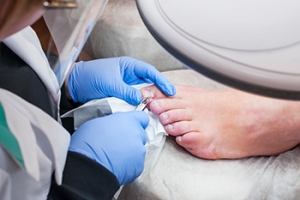
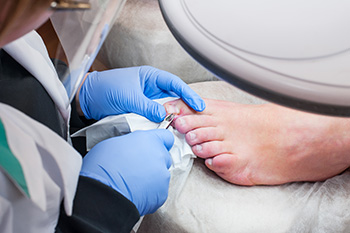
Ingrown toenail surgery, known as matricectomy, is a procedure used to treat recurring or painful ingrown toenails by removing part or all of the nail matrix to prevent regrowth. This condition occurs when the edge of the nail grows into the surrounding skin, causing pain, redness, swelling, and possible infection. Risk factors include improper nail trimming, wearing tight footwear, injury, and genetic nail shape. During the procedure, a podiatrist carefully removes the affected portion of the nail and applies a solution to stop it from growing back. This offers a long-term solution and relief from repeated issues. A podiatrist ensures safe treatment and proper healing. If you have an ingrown toenail that is uncomfortable or painful, it is suggested that you consult a podiatrist who can determine if this type of foot surgery is right for you.
Ingrown toenails can become painful if they are not treated properly. For more information about ingrown toenails, contact Roy Rothman, DPM of Florida. Our doctor can provide the care you need to keep you pain-free and on your feet.
Ingrown Toenails
Ingrown toenails occur when a toenail grows sideways into the bed of the nail, causing pain, swelling, and possibly infection.
Causes
Prevention
Wearing proper fitting shoes and using proper cutting techniques will also help decrease your risk of developing ingrown toenails.
Treatment
Ingrown toenails are a very treatable foot condition. In minor cases, soaking the affected area in salt or antibacterial soaps will not only help with the ingrown nail itself, but also help prevent any infections from occurring. In more severe cases, surgery is an option. In either case, speaking to your podiatrist about this condition will help you get a better understanding of specific treatment options that are right for you.
If you have any questions, please feel free to contact our office located in DeBary, FL . We offer the newest diagnostic and treatment technologies for all your foot care needs.
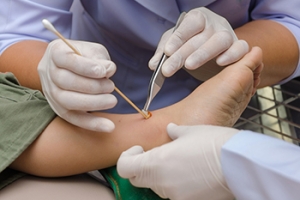
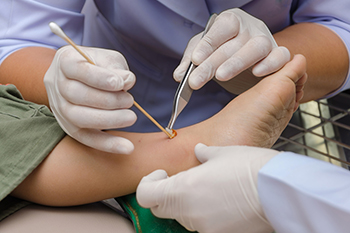
Wound care is an important medical specialty focused on the treatment and management of acute and chronic wounds, especially in the feet where healing can be more complex. Patient preferences on wound care may reflect attitudes and beliefs, possibly based on education. Some types of foot wounds may develop from pressure, injury, poor circulation, or complications related to conditions such as diabetes. Risk factors include reduced blood flow, nerve damage, infection, and prolonged pressure on certain areas. Common types of foot wounds include ulcers, cuts, and slow healing sores that can worsen without proper care. A podiatrist plays a key role by providing debridement, infection control, and pressure relief to promote healing. Early treatment helps prevent serious complications. If you have any type of foot wound, it is suggested that you promptly consult a podiatrist who can take your preferences into account and offer appropriate treatment solutions.
Wound care is an important part in dealing with diabetes. If you have diabetes and a foot wound or would like more information about wound care for diabetics, consult with Roy Rothman, DPM from Florida. Our doctor will assess your condition and provide you with quality foot and ankle treatment.
What Is Wound Care?
Wound care is the practice of taking proper care of a wound. This can range from the smallest to the largest of wounds. While everyone can benefit from proper wound care, it is much more important for diabetics. Diabetics often suffer from poor blood circulation which causes wounds to heal much slower than they would in a non-diabetic.
What Is the Importance of Wound Care?
While it may not seem apparent with small ulcers on the foot, for diabetics, any size ulcer can become infected. Diabetics often also suffer from neuropathy, or nerve loss. This means they might not even feel when they have an ulcer on their foot. If the wound becomes severely infected, amputation may be necessary. Therefore, it is of the upmost importance to properly care for any and all foot wounds.
How to Care for Wounds
The best way to care for foot wounds is to prevent them. For diabetics, this means daily inspections of the feet for any signs of abnormalities or ulcers. It is also recommended to see a podiatrist several times a year for a foot inspection. If you do have an ulcer, run the wound under water to clear dirt from the wound; then apply antibiotic ointment to the wound and cover with a bandage. Bandages should be changed daily and keeping pressure off the wound is smart. It is advised to see a podiatrist, who can keep an eye on it.
If you have any questions please contact our office located in DeBary, FL . We offer the newest diagnostic and treatment technologies for all your foot and ankle needs.


 Follow Us