
Roy A. Rothman, DPM, PA
Podiatric Medicine and SurgeonFoot & Ankle Specialist


Suffering from this type of pain? You may have the foot condition known as Morton's neuroma. Morton's neuroma may develop as a result of ill-fitting footwear and existing foot deformities. We can help.
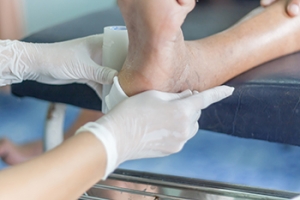
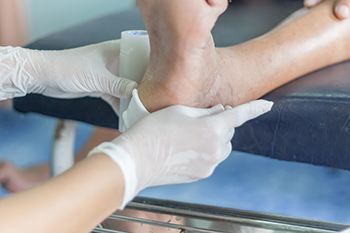
A foot ulcer is a severe wound on the foot that can be serious in diabetic patients. It is defined as a wound that does not heal and can be a result of peripheral arterial disease. The increased blood sugar levels in diabetic patients can cause a lack of feeling in the feet and this can make it difficult to notice existing cuts, bruises, or scrapes. A wound on the foot needs to have immediate treatment as this can be helpful in proper healing. Correct treatment of a foot ulcer may begin with removing dead tissue, which is referred to as debridement, and taking antibiotics is necessary if the wound is infected. An antibiotic cream may be applied to the wound followed by wrapping it in a bandage. Some patients may wear a specific type of boot that can allow walking while maintaining proper healing. If you have any type of wounds on the feet, it is strongly advised that you speak with a podiatrist as quickly as possible who can effectively treat foot ulcers.
Wound care is an important part in dealing with diabetes. If you have diabetes and a foot wound or would like more information about wound care for diabetics, consult with Roy Rothman, DPM from Florida. Our doctor will assess your condition and provide you with quality foot and ankle treatment.
What Is Wound Care?
Wound care is the practice of taking proper care of a wound. This can range from the smallest to the largest of wounds. While everyone can benefit from proper wound care, it is much more important for diabetics. Diabetics often suffer from poor blood circulation which causes wounds to heal much slower than they would in a non-diabetic.
What Is the Importance of Wound Care?
While it may not seem apparent with small ulcers on the foot, for diabetics, any size ulcer can become infected. Diabetics often also suffer from neuropathy, or nerve loss. This means they might not even feel when they have an ulcer on their foot. If the wound becomes severely infected, amputation may be necessary. Therefore, it is of the upmost importance to properly care for any and all foot wounds.
How to Care for Wounds
The best way to care for foot wounds is to prevent them. For diabetics, this means daily inspections of the feet for any signs of abnormalities or ulcers. It is also recommended to see a podiatrist several times a year for a foot inspection. If you do have an ulcer, run the wound under water to clear dirt from the wound; then apply antibiotic ointment to the wound and cover with a bandage. Bandages should be changed daily and keeping pressure off the wound is smart. It is advised to see a podiatrist, who can keep an eye on it.
If you have any questions please contact our office located in DeBary, FL . We offer the newest diagnostic and treatment technologies for all your foot and ankle needs.


A broken ankle is easy to notice. It produces severe pain and discomfort after a fall has taken place, and it is often impossible to walk on. Additional symptoms include a numbness in the ankle and surrounding area, swelling, and bruising. To determine if the ankle is fractured, an X-ray is generally taken, and this is helpful in determining the exact location of the break. If the break is severe, an MRI or CT scan may be ordered that can show if there is tissue damage or other injuries. A broken ankle is often treated by wearing a cast or a boot for several weeks. This is beneficial in keeping the ankle stable as the healing process occurs. Additionally, when the ankle is elevated above the heart, the swelling is often reduced, and it may provide relief. If additional symptoms occur, such as warm and tender legs, or if your toenails start to turn gray or blue, immediate attention from a podiatrist is strongly advised. Please consult with a podiatrist who can effectively treat broken ankles.
Broken ankles need immediate treatment. If you are seeking treatment, contact Roy Rothman, DPM from Florida. Our doctor can provide the care you need to keep you pain-free and on your feet.
Broken Ankles
A broken ankle is experienced when a person fractures their tibia or fibula in the lower leg and ankle area. Both of these bones are attached at the bottom of the leg and combine to form what we know to be our ankle.
When a physician is referring to a break of the ankle, he or she is usually referring to a break in the area where the tibia and fibula are joined to create our ankle joint. Ankles are more prone to fractures because the ankle is an area that suffers a lot of pressure and stress. There are some obvious signs when a person experiences a fractured ankle, and the following symptoms may be present.
Symptoms of a Fractured Ankle
If you suspect an ankle fracture, it is recommended to seek treatment as soon as possible. The sooner you have your podiatrist diagnose the fracture, the quicker you’ll be on the way towards recovery.
If you have any questions, please feel free to contact our office located in DeBary, FL . We offer the newest diagnostic and treatment technologies for all your foot care needs.
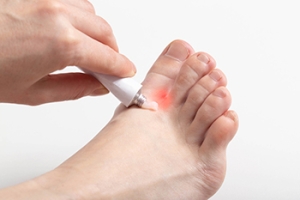
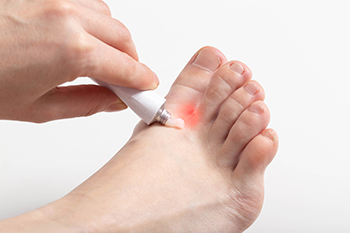
Athlete’s foot is a fungal skin infection (tinea infection) that can cause symptoms on the feet, including red or white patches of itchy and/or sore skin, cracked, burning, or bleeding skin, and blisters. These symptoms can occur on the top of the feet, between the toes, and on the sides and soles of the feet. Athlete’s foot can be contracted by direct contact with someone who has the infection, or by walking with bare feet in places where the fungus is living, such as communal showers and gym locker rooms. Left untreated, the infection that causes Athlete’s foot can worsen as well as spread to other parts of the body. It is a good idea to make an appointment with a podiatrist if you suspect you have athlete’s foot. Podiatrists have successful remedies to treat this uncomfortable and contagious skin condition.
Athlete’s foot is an inconvenient condition that can be easily reduced with the proper treatment. If you have any concerns about your feet and ankles, contact Roy Rothman, DPM from Florida. Our doctor will treat your foot and ankle needs.
Athlete’s Foot: The Sole Story
Athlete's foot, also known as tinea pedis, can be an extremely contagious foot infection. It is commonly contracted in public changing areas and bathrooms, dormitory style living quarters, around locker rooms and public swimming pools, or anywhere your feet often come into contact with other people.
Solutions to Combat Athlete’s Foot
Athlete’s foot can cause many irritating symptoms such as dry and flaking skin, itching, and redness. Some more severe symptoms can include bleeding and cracked skin, intense itching and burning, and even pain when walking. In the worst cases, Athlete’s foot can cause blistering as well. Speak to your podiatrist for a better understanding of the different causes of Athlete’s foot, as well as help in determining which treatment options are best for you.
If you have any questions please feel free to contact our office located in DeBary, FL . We offer the newest diagnostic and treatment technologies for all your foot and ankle needs.


The foot condition known as cracked heels can be unsightly and uncomfortable. In severe cases, it can be difficult to walk and an infection may develop. There are several reasons why this ailment occurs. These can include dehydration from not drinking enough water or from using harsh soaps on the feet. Additionally, there may be existing medical conditions that can cause cracked heels like eczema and psoriasis. Some people may experience this condition from living in extremely cold environments or from using excessively hot water while taking a shower. Mild relief may be found when the feet are washed and dried thoroughly, followed by applying a good moisturizer. It may also help to refrain from wearing shoes that have an open back as well as drink plenty of fresh water daily. Cracked heels can require professional medical attention and it is suggested that you use the services of a podiatrist who can effectively treat this condition.
Cracked heels are unsightly and can cause further damage to your shoes and feet. If you have any concerns, contact Roy Rothman, DPM from Florida. Our doctor can provide the care you need to keep you pain-free and on your feet.
Cracked Heels
Cracked heels appear unappealing and can make it harder for you walk around in sandals. Aside from looking unpleasant, cracked heels can also tear stockings, socks, and wear out your shoes. There are several methods to help restore a cracked heel and prevent further damage.
How Do You Get Them?
Dry skin is the number one culprit in creating cracked heels. Many athletes, walkers, joggers, and even swimmers suffer from cracked heels. Age and skin oil production play a role to getting cracked heels as well.
Promote Healing
Over the counter medicines can help, especially for those that need instant relief or who suffer from chronic dry feet.
Wear Socks – Wearing socks with medicated creams helps lock in moisture.
Moisturizers – Applying both day and night will help alleviate dryness which causes cracking.
Pumice Stones – These exfoliate and remove dead skin, which allows for smoother moisturizer application and better absorption into the skin.
Change in Diet
Eating healthy with a well-balanced diet will give the skin a fresh and radiant look. Your body responds to the kinds of food you ingest. Omega-3 fatty acids and zinc supplements can also revitalize skin tissue.
Most importantly, seek professional help if unsure how to proceed in treating cracked heels. A podiatrist will help you with any questions or information needed.
If you have any questions, please feel free to contact our office located in DeBary, FL . We offer the newest diagnostic and treatment technologies for all your foot care needs.


 Follow Us