
Roy A. Rothman, DPM, PA
Podiatric Medicine and SurgeonFoot & Ankle Specialist


An ankle sprain occurs when ligaments, tough bands of tissue that connect bones, are stretched or torn due to excessive twisting or rolling of the ankle. This injury typically occurs during physical activities or sudden movements that stress the joint beyond its normal range of motion. There are three degrees of ankle sprains, each varying in severity. A mild sprain involves slight stretching and microscopic tearing of ligaments, causing mild pain and swelling. A moderate sprain includes partial tearing of ligament fibers, resulting in more significant pain, swelling, and difficulty walking. A severe sprain indicates a complete tear, or rupture, of ligaments that leads to intense pain, swelling, bruising, and instability in the ankle joint. Proper diagnosis and treatment, which may include rest and compression are vital for recovery and preventing long-term complications. If you have sprained your ankle, it is suggested that you consult a podiatrist who can successfully treat this condition.
Ankle sprains are common but need immediate attention. If you need your feet checked, contact Roy Rothman, DPM from Florida. Our doctor can provide the care you need to keep you pain-free and on your feet.
How Does an Ankle Sprain Occur?
Ankle sprains take place when the ligaments in your ankle are torn or stretched beyond their limits. There are multiple ways that the ankle can become injured, including twisting or rolling over onto your ankle, putting undue stress on it, or causing trauma to the ankle itself.
What Are the Symptoms?
Preventing a Sprain
Treatment of a Sprain
Treatment of a sprain depends on the severity. Many times, people are told to rest and remain off their feet completely, while others are given an air cast. If the sprain is very severe, surgery may be required.
If you have suffered an ankle sprain previously, you may want to consider additional support such as a brace and regular exercises to strengthen the ankle.
If you have any questions please feel free to contact our office located in DeBary, FL . We offer the newest diagnostic tools and technology to treat your foot and ankle needs.


Suffering from this type of pain? You may have the foot condition known as Morton's neuroma. Morton's neuroma may develop as a result of ill-fitting footwear and existing foot deformities. We can help.


Blisters between the toes can disrupt comfort and mobility. They are often caused by friction from wearing ill-fitting shoes or excessive moisture. Symptoms can include a painful, fluid-filled sac that may burst if not treated promptly, leading to infection or further irritation. Proper wound care starts with cleaning the area gently with mild soap and water, followed by applying a sterile bandage to protect it from further friction. Avoid popping blisters, as it can increase infection risk. Moisturizing the surrounding skin and wearing well-fitting, breathable footwear can help to prevent recurrence. For persistent blisters or signs of infection such as redness, swelling, or pus, it is important to seek professional care from a podiatrist. They can provide tailored treatment, such as antibiotic ointments or specialized dressings, ensuring proper healing and minimizing future complications. Do not ignore blisters. Consider scheduling an appointment with a podiatrist for an expert evaluation and care to keep your feet healthy and pain-free.
Blisters may appear as a single bubble or in a cluster. They can cause a lot of pain and may be filled with pus, blood, or watery serum. If your feet are hurting, contact Roy Rothman, DPM of Florida. Our doctor can provide the care you need to keep you pain-free and on your feet.
Foot Blisters
Foot blisters are often the result of friction. This happens due to the constant rubbing from shoes, which can lead to pain.
What Are Foot Blisters?
A foot blister is a small fluid-filled pocket that forms on the upper-most layer of the skin. Blisters are filled with clear fluid and can lead to blood drainage or pus if the area becomes infected.
Symptoms
(Blister symptoms may vary depending on what is causing them)
Prevention & Treatment
In order to prevent blisters, you should be sure to wear comfortable shoes with socks that cushion your feet and absorb sweat. Breaking a blister open may increase your chances of developing an infection. However, if your blister breaks, you should wash the area with soap and water immediately and then apply a bandage to the affected area. If your blisters cause severe pain it is important that you call your podiatrist right away.
If you have any questions, please feel free to contact our office located in DeBary, FL . We offer the newest diagnostic and treatment technologies for all your foot care needs.


Toe swelling can result from a variety of causes, ranging from minor issues to more serious health conditions. One common cause is injury, such as stubbing your toe or dropping something heavy on it, which can lead to bruising and swelling. Infections, including fungal infections like athlete's foot or bacterial infections, can also cause swelling and redness. Arthritis, particularly gout, is another culprit, often leading to painful, swollen toes due to the buildup of uric acid crystals. Poor circulation, which can be associated with conditions like diabetes or peripheral artery disease, may cause fluid buildup in the toes, resulting in swelling. Additionally, wearing ill-fitting shoes that pinch or put pressure on the toes can lead to swelling and discomfort. If you have swollen toes, it is suggested that you consult a podiatrist who can determine what the cause is, and offer appropriate treatment solutions.
Toe pain can disrupt your daily activities. If you have any concerns, contact Roy Rothman, DPM of Florida. Our doctor can provide the care you need to keep you pain-free and on your feet.
What Causes Toe Pain?
Most severe toe pain is caused due to a sports injury, trauma from dropping something heavy on the toe, or bumping into something rigid. Other problems can develop over time for various reasons.
Toe pain can be caused by one or more ailments. The most common include:
When to See a Podiatrist
Diagnosis
In many cases the cause of toe pain is obvious, but in others, a podiatrist may want to use more advanced methods to determine the problem. These can range from simple visual inspections and sensation tests to X-rays and MRI scans. Prior medical history, family medical history, and any recent physical traumatic events will all be taken into consideration for a proper diagnosis.
Treatment
Treatments for toe pain and injuries vary and may include shoe inserts, padding, taping, medicines, injections, and in some cases, surgery. If you believe that you have broken a toe, please see a podiatrist as soon as possible.
If you have any questions please contact our office located in DeBary, FL . We offer the newest diagnostic and treatment technologies for all your foot and ankle needs.
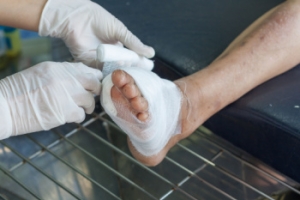
 Diabetic foot ulcers are open sores or wounds that commonly occur on the feet of individuals with diabetes. They generally result from a combination of neuropathy, poor circulation, and immune system impairment. Neuropathy causes a loss of sensation, leading to unnoticed injuries. Poor circulation hinders healing, while immune dysfunction makes infections more likely. These ulcers can become severe, leading to complications such as infections, gangrene, or even amputations if left untreated. Management of diabetic foot ulcers includes comprehensive wound care, infection control, and addressing underlying conditions. Regular cleaning and debridement to remove dead tissue can promote healing. Antibiotics may be prescribed to combat infection. Additionally, offloading techniques, such as specialized footwear or orthotics, help reduce pressure on the ulcer. Controlling blood sugar levels is imperative to generate healing and prevent recurrence. Regular monitoring and care are essential for effective management. If you have diabetic foot ulcers, it is strongly suggested that you visit a podiatrist for personalized treatment and prevention strategies.
Wound care is an important part in dealing with diabetes. If you have diabetes and a foot wound or would like more information about wound care for diabetics, consult with Roy Rothman, DPM from Florida. Our doctor will assess your condition and provide you with quality foot and ankle treatment.
What Is Wound Care?
Wound care is the practice of taking proper care of a wound. This can range from the smallest to the largest of wounds. While everyone can benefit from proper wound care, it is much more important for diabetics. Diabetics often suffer from poor blood circulation which causes wounds to heal much slower than they would in a non-diabetic.
What Is the Importance of Wound Care?
While it may not seem apparent with small ulcers on the foot, for diabetics, any size ulcer can become infected. Diabetics often also suffer from neuropathy, or nerve loss. This means they might not even feel when they have an ulcer on their foot. If the wound becomes severely infected, amputation may be necessary. Therefore, it is of the upmost importance to properly care for any and all foot wounds.
How to Care for Wounds
The best way to care for foot wounds is to prevent them. For diabetics, this means daily inspections of the feet for any signs of abnormalities or ulcers. It is also recommended to see a podiatrist several times a year for a foot inspection. If you do have an ulcer, run the wound under water to clear dirt from the wound; then apply antibiotic ointment to the wound and cover with a bandage. Bandages should be changed daily and keeping pressure off the wound is smart. It is advised to see a podiatrist, who can keep an eye on it.
If you have any questions please contact our office located in DeBary, FL . We offer the newest diagnostic and treatment technologies for all your foot and ankle needs.


Experiencing nerve pain in your foot can impact your daily activities and overall quality of life. One common cause of such pain is Morton's neuroma, a condition where a nerve in the ball of the foot becomes swollen or thickened. This often results from wearing shoes that squeeze the toes together for extended periods, such as high-heeled, tight, or narrow footwear. Symptoms of Morton's neuroma can include a sharp, burning pain in the foot that intensifies with walking and a sensation of a small lump in the ball of the foot, typically between the third and fourth toes. Diagnosis usually involves a physical exam and may require imaging tests like ultrasound, X-ray, or MRI scans to confirm. Switching to shoes that allow ample room for the toes and reducing activities that exacerbate the pain may provide relief. If these measures are insufficient, special pads or devices to spread the toes, steroid injections, or in severe cases, surgery, may be recommended to alleviate symptoms. Persistent nerve pain should not be ignored, as early intervention can prevent further complications. If you are experiencing such pain, consulting a podiatrist is suggested for a comprehensive evaluation and appropriate treatment plan.
Morton’s neuroma is a very uncomfortable condition to live with. If you think you have Morton’s neuroma, contact Roy Rothman, DPM of Florida. Our doctor will attend to all of your foot care needs and answer any of your related questions.
Morton’s Neuroma
Morton's neuroma is a painful foot condition that commonly affects the areas between the second and third or third and fourth toe, although other areas of the foot are also susceptible. Morton’s neuroma is caused by an inflamed nerve in the foot that is being squeezed and aggravated by surrounding bones.
What Increases the Chances of Having Morton’s Neuroma?
Morton’s neuroma is a very treatable condition. Orthotics and shoe inserts can often be used to alleviate the pain on the forefront of the feet. In more severe cases, corticosteroids can also be prescribed. In order to figure out the best treatment for your neuroma, it’s recommended to seek the care of a podiatrist who can diagnose your condition and provide different treatment options.
If you have any questions, please feel free to contact our office located in DeBary, FL . We offer the newest diagnostic and treatment technologies for all your foot care needs.


 Follow Us