
Roy A. Rothman, DPM, PA
Podiatric Medicine and SurgeonFoot & Ankle Specialist


Do you suffer from heel pain when you get up in the morning? If so, you should seek professional help and have a proper diagnosis performed. Heel pain can be caused by several different foot-related conditions.
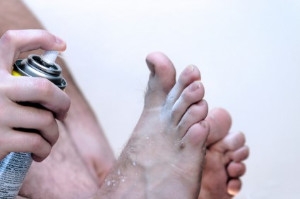
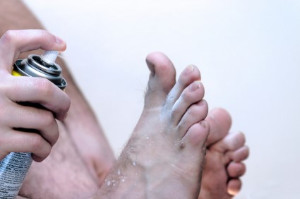 Tinea pedis, which is known as athlete’s foot, is considered to be a fungal infection. The skin on the feet is affected, and it may itch and turn red. It can be difficult to cure, but despite the fact it is not known to be a serious infection. This condition can be contagious, and it is suggested to refrain from sharing towels, socks, or shoes. The fungus that causes athlete’s foot thrives in warm and moist environments. These can include public swimming pools, locker room floors, and showers. The symptoms that patients experience can consist of blisters, cracked skin on the feet, and the affected foot may itch and burn. A proper diagnosis often consists of having a skin test taken, and this is necessary in choosing the right treatment option. If you have symptoms of athlete’s foot, it is suggested that you speak with a podiatrist as quickly as possible, who can determine what the best course of treatment is for you.
Athlete’s Foot
Athlete’s foot is often an uncomfortable condition to experience. Thankfully, podiatrists specialize in treating athlete’s foot and offer the best treatment options. If you have any questions about athlete’s foot, consult with Roy Rothman, DPM from Florida. Our doctor will assess your condition and provide you with quality treatment.
What Is Athlete’s Foot?
Tinea pedis, more commonly known as athlete’s foot, is a non-serious and common fungal infection of the foot. Athlete’s foot is contagious and can be contracted by touching someone who has it or infected surfaces. The most common places contaminated by it are public showers, locker rooms, and swimming pools. Once contracted, it grows on feet that are left inside moist, dark, and warm shoes and socks.
Prevention
The most effective ways to prevent athlete’s foot include:
Symptoms
Athlete’s foot initially occurs as a rash between the toes. However, if left undiagnosed, it can spread to the sides and bottom of the feet, toenails, and if touched by hand, the hands themselves. Symptoms include:
Diagnosis and Treatment
Diagnosis is quick and easy. Skin samples will be taken and either viewed under a microscope or sent to a lab for testing. Sometimes, a podiatrist can diagnose it based on simply looking at it. Once confirmed, treatment options include oral and topical antifungal medications.
If you have any questions, please feel free to contact our office located in DeBary, FL . We offer the newest diagnostic and treatment technologies for all your foot care needs.
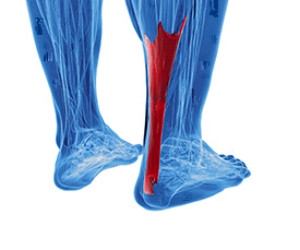
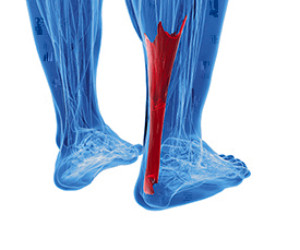 The function of the Achilles tendon is to attach the ankle joint to the heel bone. It is located in the back of the calf and is crucial to performing daily activities that include walking and running. An indication that a patient has experienced an Achilles tendon injury is often intense pain in the lower part of the calf. Additional symptoms can include hearing and feeling a sudden snap, and a difficulty pointing and flexing the foot. Patients may experience swelling and bruising surrounding the ankle, and standing on tiptoes is often impossible to do. Research has shown that having pre-existing medical conditions may lead to enduring this type of injury. These can include kidney failure, thyroid disease, and diabetes. There are several treatment options available for an Achilles tendon injury, and it is suggested that you confer with a podiatrist who can determine what the best one is for you.
Achilles tendon injuries need immediate attention to avoid future complications. If you have any concerns, contact Roy Rothman, DPM of Florida. Our doctor can provide the care you need to keep you pain-free and on your feet.
What Is the Achilles Tendon?
The Achilles tendon is a tendon that connects the lower leg muscles and calf to the heel of the foot. It is the strongest tendon in the human body and is essential for making movement possible. Because this tendon is such an integral part of the body, any injuries to it can create immense difficulties and should immediately be presented to a doctor.
What Are the Symptoms of an Achilles Tendon Injury?
There are various types of injuries that can affect the Achilles tendon. The two most common injuries are Achilles tendinitis and ruptures of the tendon.
Achilles Tendinitis Symptoms
Rupture Symptoms
Treatment and Prevention
Achilles tendon injuries are diagnosed by a thorough physical evaluation, which can include an MRI. Treatment involves rest, physical therapy, and in some cases, surgery. However, various preventative measures can be taken to avoid these injuries, such as:
If you have any questions please feel free to contact our office located in DeBary, FL . We offer the newest diagnostic tools and technology to treat your foot and ankle needs.

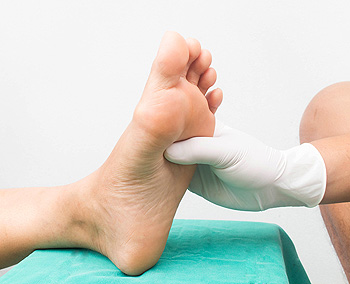 One of the main side effects of diabetes is the problems it can cause to your extremities, as nerves become damaged and circulation of blood to the feet and toes is blocked. The result is often peripheral neuropathy (numbness to the toes and feet), and ischemia (reduced blood flow), which can lead to peripheral artery disease (PAD). Both conditions are serious and can severely threaten the health of your toes, feet, and possibly legs. One of the most important ways to prevent or control this ailment is to regularly maintain proper foot health. Some of the actions you or a health-care worker can take is to thoroughly inspect your legs, ankles, feet, and toes for sores, blisters, redness, or swelling. Also, it’s a good idea to wear shoes that fit correctly, keep your feet clean and moisturized, change socks frequently, and avoid tight elastic that further cuts off circulation. At the first sign of swelling, redness, discoloration, or unexplained pain in your feet, it’s strongly suggested that you set up an appointment with a podiatrist who can monitor your condition.
Wound care is an important part in dealing with diabetes. If you have diabetes and a foot wound or would like more information about wound care for diabetics, consult with Roy Rothman, DPM from Florida. Our doctor will assess your condition and provide you with quality foot and ankle treatment.
What Is Wound Care?
Wound care is the practice of taking proper care of a wound. This can range from the smallest to the largest of wounds. While everyone can benefit from proper wound care, it is much more important for diabetics. Diabetics often suffer from poor blood circulation which causes wounds to heal much slower than they would in a non-diabetic.
What Is the Importance of Wound Care?
While it may not seem apparent with small ulcers on the foot, for diabetics, any size ulcer can become infected. Diabetics often also suffer from neuropathy, or nerve loss. This means they might not even feel when they have an ulcer on their foot. If the wound becomes severely infected, amputation may be necessary. Therefore, it is of the upmost importance to properly care for any and all foot wounds.
How to Care for Wounds
The best way to care for foot wounds is to prevent them. For diabetics, this means daily inspections of the feet for any signs of abnormalities or ulcers. It is also recommended to see a podiatrist several times a year for a foot inspection. If you do have an ulcer, run the wound under water to clear dirt from the wound; then apply antibiotic ointment to the wound and cover with a bandage. Bandages should be changed daily and keeping pressure off the wound is smart. It is advised to see a podiatrist, who can keep an eye on it.
If you have any questions please contact our office located in DeBary, FL . We offer the newest diagnostic and treatment technologies for all your foot and ankle needs.

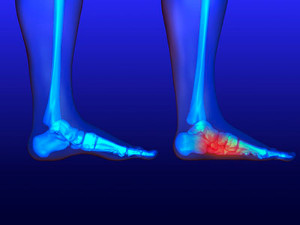
The arch is the curved area in the center sole of the foot. At birth, babies do not have arches in their feet, but most will develop arches over time. Those who don’t develop arches have congenital flat feet, which are usually asymptomatic. It is also possible to develop arches normally and then lose them over time for a variety of reasons. This is known as acquired flat feet, and is often accompanied by foot pain or discomfort. But why do we have arches in the first place? The arch of the foot is a very useful structure. It helps the feet stand, stay balanced, run, walk, and jump by adding flexibility and springiness to the foot. With an arch, the foot is better able to absorb shock from physical activities, and the body’s weight is more evenly distributed around the surface of the foot. If you have flat feet and are experiencing any foot pain, please seek the care of a podiatrist.
Flatfoot is a condition many people suffer from. If you have flat feet, contact Roy Rothman, DPM from Florida. Our doctor will treat your foot and ankle needs.
What Are Flat Feet?
Flatfoot is a condition in which the arch of the foot is depressed and the sole of the foot is almost completely in contact with the ground. About 20-30% of the population generally has flat feet because their arches never formed during growth.
Conditions & Problems:
Having flat feet makes it difficult to run or walk because of the stress placed on the ankles.
Alignment – The general alignment of your legs can be disrupted, because the ankles move inward which can cause major discomfort.
Knees – If you have complications with your knees, flat feet can be a contributor to arthritis in that area.
Symptoms
Treatment
If you are experiencing pain and stress on the foot you may weaken the posterior tibial tendon, which runs around the inside of the ankle.
If you have any questions, please feel free to contact our office located in DeBary, FL . We offer the newest diagnostic and treatment technologies for all your foot care needs.


Custom orthotics, or shoe inserts, should be periodically replaced. Orthotics must fit properly to give you the best results. Protect your feet and ankles!

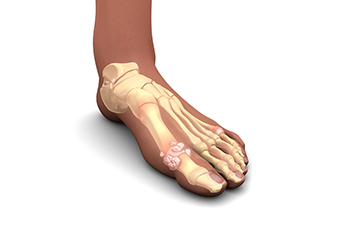
If your big toe joint suddenly gets hot, red, swollen, and very painful, you could be having a gout flare. Gout is an arthritic condition that develops when excessive amounts of uric acid in the body cluster and crystallize on joints—most commonly the big toe joint. Symptoms from a gout flare can last for days or weeks and then completely disappear until the next flare occurs. You may be more at risk of developing gout if you have a family history of it, or if you are male, obese, drink alcohol, eat a lot of purine-rich red meat and seafood, or have certain health conditions like diabetes, kidney issues, hypertension, congestive heart failure, diabetes and more. If you believe you may have gout, it's a good idea to make an appointment with a podiatrist who can diagnose your condition through an exam and various tests, and help relieve your pain. In severe cases, where large deposits of gout form and normal pain relief methods do not provide relief (or there is joint dysfunction), surgery may be necessary.
Gout is a foot condition that requires certain treatment and care. If you are seeking treatment, contact Roy Rothman, DPM from Florida. Our doctor will treat your foot and ankle needs.
What Is Gout?
Gout is a type of arthritis caused by a buildup of uric acid in the bloodstream. It often develops in the foot, especially the big toe area, although it can manifest in other parts of the body as well. Gout can make walking and standing very painful and is especially common in diabetics and the obese.
People typically get gout because of a poor diet. Genetic predisposition is also a factor. The children of parents who have had gout frequently have a chance of developing it themselves.
Gout can easily be identified by redness and inflammation of the big toe and the surrounding areas of the foot. Other symptoms include extreme fatigue, joint pain, and running high fevers. Sometimes corticosteroid drugs can be prescribed to treat gout, but the best way to combat this disease is to get more exercise and eat a better diet.
If you have any questions please feel free to contact our office located in DeBary, FL . We offer the newest diagnostic and treatment technologies for all your foot and ankle needs.


 Follow Us