
Roy A. Rothman, DPM, PA
Podiatric Medicine and SurgeonFoot & Ankle Specialist

 Good foot health is important, particularly for children, as their feet are still developing and are foundational to their overall physical health. Children’s feet grow rapidly, and proper development is essential to prevent long-term issues. Poor foot health in childhood can lead to problems such as flat feet, misaligned bones, or even postural issues affecting the knees, hips, and spine. Ensuring good foot health involves several key practices. Children should wear properly fitted shoes that provide adequate support. Regularly checking shoe size is important as kids outgrow shoes quickly. Encourage children to walk barefoot when safe, as this can strengthen their foot muscles. Hygiene is equally important, as keeping feet clean and dry prevents fungal infections. Observing children’s walking patterns and foot structure can help identify issues early. For any concerns about your child's foot health, it is suggested that you visit a podiatrist for professional advice and treatment.
Making sure that your children maintain good foot health is very important as they grow. If you have any questions, contact Roy Rothman, DPM of Florida. Our doctor can provide the care you need to keep you pain-free and on your feet.
Keeping Children's Feet Healthy
Having healthy feet during childhood can help prevent medical problems later in life, namely in the back and legs. As children grow, their feet require different types of care. Here are some things to consider...
Although babies do not walk yet, it is still very important to take care of their feet.
Avoid putting tight shoes or socks on his or her feet.
Allow the baby to stretch and kick his or her feet to feel comfortable.
As a toddler, kids are now on the move and begin to develop differently. At this age, toddlers are getting a feel for walking, so don’t be alarmed if your toddler is unsteady or ‘walks funny’.
As your child gets older, it is important to teach them how to take care of their feet.
Show them proper hygiene to prevent infections such as fungus.
Be watchful for any pain or injury.
Have all injuries checked by a doctor as soon as possible.
Comfortable, protective shoes should always be worn, especially at play.
If you have any questions, please feel free to contact our office located in DeBary, FL . We offer the newest diagnostic and treatment technologies for all your foot care needs.


Have your child's feet been examined lately? Healthy feet are happy feet. If your child is complaining of foot pain, it may be a sign of underlying problems.
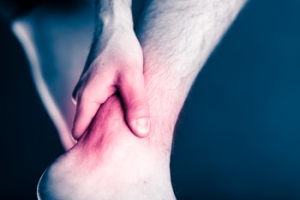
 Achilles tendon injuries often occur due to overuse, sudden increases in physical activity, or inadequate warm-ups before exercise. This tendon, connecting the calf muscles to the heel bone, endures significant stress, especially during activities like running, jumping, or abrupt changes in direction. Such strain can lead to inflammation, known as tendinitis, or even a partial or complete tear. When an Achilles tendon injury happens, individuals typically experience sharp pain or a snapping sensation in the back of the ankle, followed by swelling and difficulty walking. The pain may worsen with activity and improve with rest but can become chronic if untreated. Treatment includes rest and anti-inflammatory medications to reduce pain and swelling. Exercises can help strengthen the tendon and restore flexibility. In severe cases, immobilization or surgery might be necessary. To prevent these injuries, it is important to engage in proper warm-ups, gradually increase activity levels, and wear supportive footwear. If you have Achilles tendon pain, it is suggested that you schedule an appointment with a podiatrist for a proper diagnosis and tailored treatment plan.
Achilles tendon injuries need immediate attention to avoid future complications. If you have any concerns, contact Roy Rothman, DPM of Florida. Our doctor can provide the care you need to keep you pain-free and on your feet.
What Is the Achilles Tendon?
The Achilles tendon is a tendon that connects the lower leg muscles and calf to the heel of the foot. It is the strongest tendon in the human body and is essential for making movement possible. Because this tendon is such an integral part of the body, any injuries to it can create immense difficulties and should immediately be presented to a doctor.
What Are the Symptoms of an Achilles Tendon Injury?
There are various types of injuries that can affect the Achilles tendon. The two most common injuries are Achilles tendinitis and ruptures of the tendon.
Achilles Tendinitis Symptoms
Rupture Symptoms
Treatment and Prevention
Achilles tendon injuries are diagnosed by a thorough physical evaluation, which can include an MRI. Treatment involves rest, physical therapy, and in some cases, surgery. However, various preventative measures can be taken to avoid these injuries, such as:
If you have any questions please feel free to contact our office located in DeBary, FL . We offer the newest diagnostic tools and technology to treat your foot and ankle needs.
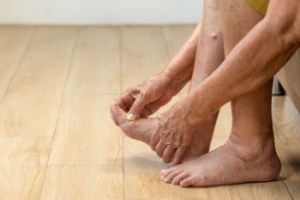

Osteoarthritis, a degenerative joint disease commonly associated with aging, can affect any joint in the body, including the big toe. When osteoarthritis strikes the big toe, it leads to pain, stiffness, and reduced mobility, impacting daily activities such as walking and standing. Unlike rheumatoid arthritis, which is an autoimmune disorder, osteoarthritis of the big toe is primarily caused by wear and tear on the joint cartilage over time. Factors like genetics, previous injuries, and excessive stress on the joint can also contribute to its development. Individuals with occupations or hobbies that involve repetitive movements or excessive pressure on the feet are at a higher risk. Early symptoms may include discomfort and swelling around the joint, which can progress to chronic pain and deformity if left untreated. Management strategies for osteoarthritis of the big toe include lifestyle modifications, pain management techniques, orthotic devices, and in severe cases, surgical intervention to repair or replace the damaged joint. If you are experiencing any stiffness in your foot specifically the big toe, it is urged that you consult a podiatrist who can accurately diagnose and provide you with the foot care you need.
Arthritis can be a difficult condition to live with. If you are seeking treatment, contact Roy Rothman, DPM from Florida. Our doctor can provide the care you need to keep you pain-free and on your feet.
Arthritic Foot Care
Arthritis is a term that is commonly used to describe joint pain. The condition itself can occur to anyone of any age, race, or gender, and there are over 100 types of it. Nevertheless, arthritis is more commonly found in women compared to men, and it is also more prevalent in those who are overweight. The causes of arthritis vary depending on which type of arthritis you have. Osteoarthritis for example, is often caused by injury, while rheumatoid arthritis is caused by a misdirected immune system.
Symptoms
Arthritic symptoms range in severity, and they may come and go. Some symptoms stay the same for several years but could potentially get worse with time. Severe cases of arthritis can prevent its sufferers from performing daily activities and make walking difficult.
Risk Factors
If you suspect your arthritis is affecting your feet, it is crucial that you see a podiatrist immediately. Your doctor will be able to address your specific case and help you decide which treatment method is best for you.
If you have any questions please feel free to contact our office located in DeBary, FL . We offer the newest diagnostic tools and technology to treat your foot and ankle needs.


Maintaining foot health at work is essential for overall well-being and safety. Whether enduring long hours on your feet or navigating potential hazards, prioritizing proper foot care can prevent injuries and discomfort. Work-related foot injuries primarily stem from punctures, crushing, sprains, and falls, underscoring the importance of foot safety measures. Neglecting foot care not only heightens injury risks but also contributes to common issues like calluses, ingrown toenails, and fatigue, all of which impairs work performance. Identifying workplace hazards such as prolonged standing, unsuitable flooring and wearing ill-fitted footwear is important for injury prevention. Addressing these concerns through job and workplace design adjustments, including rotation, ergonomic flooring, and protective footwear is essential. Additionally, cultivating good foot care habits like daily washing, toenail trimming, and wearing appropriate socks and footwear is key. Incorporating exercises to alleviate strain during prolonged standing can help. Investing in foot care not only safeguards against injuries but also enhances productivity. If you spend long hours of your work day on your feet, it is suggested that you visit a podiatrist for related foot pain, injuries, or conditions.
While working on the feet, it is important to take the proper care of them. For more information about working on your feet, contact Roy Rothman, DPM from Florida. Our doctor will treat your foot and ankle needs.
Working on Your Feet
Standing on your feet for long periods of time can cause stress and pain in your feet. Your whole body may experience change in terms of posture, back pain, bunions, callouses and or plantar warts. There are ways to avoid these conditions with proper foot care, smart choices and correct posture.
Positive Changes
Negative heeled shoe – Choosing this shoe type places the heel slightly lower than the ball of the foot. These are great for overall foot health. Find shoes that fit you correctly.
Go barefoot – Our feet were not designed to be enclosed for all hours of the day. Try to periodically expose your feet to air.
Eliminate Pain
Foot Exercises – Performing simple exercises, incorporating yoga and doing stretches are beneficial. This will allow increased blood flow to the area and muscles of the foot.
Achilles tendon – Stretching the foot out flat on the floor will relax the calf muscles and tendon. These exercises can be performed almost anywhere. Make sure you add these exercises to your daily regimen.
With a little bit of this information and knowing more about foot health, you will notice changes. Foot stretches and proper footwear will help with pain and prevent further issues.
If you have any questions please contact our office located in DeBary, FL . We offer the newest diagnostic and treatment technologies for all your foot and ankle needs.


 Follow Us