
Roy A. Rothman, DPM, PA
Podiatric Medicine and SurgeonFoot & Ankle Specialist


Ingrown toenails develop when several risk factors come together over time. Improper trimming is a common cause, especially when nails are cut too short or rounded at the corners. Wearing tight shoes or with narrow toe boxes place repeated pressure on the nail edges and surrounding skin. Repetitive activities such as running or long periods of standing can worsen this pressure. Toe injuries, even minor ones, may change how the nail grows. Some people have naturally curved or thick nails that are more likely to press into the skin. Excessive sweating softens the skin, making it easier for the nail to break through. Poor foot hygiene and limited vision or flexibility can also contribute by making nail care difficult. Early awareness matters because inflammation and infection can develop quickly. If toenail pain, redness, or swelling appears, it is suggested that you see a podiatrist for an evaluation and appropriate treatment.
Ingrown toenails may initially present themselves as a minor discomfort, but they may progress into an infection in the skin without proper treatment. For more information about ingrown toenails, contact Roy Rothman, DPM of Florida. Our doctor can provide the care you need to keep you pain-free and on your feet.
Ingrown Toenails
Ingrown toenails are caused when the corner or side of a toenail grows into the soft flesh surrounding it. They often result in redness, swelling, pain, and in some cases, infection. This condition typically affects the big toe and may recur if it is not treated properly.
Causes
You are more likely to develop an ingrown toenail if you are obese, have diabetes, arthritis, or have any fungal infection in your nails. Additionally, people who have foot or toe deformities are at a higher risk of developing an ingrown toenail.
Symptoms
Some symptoms of ingrown toenails are redness, swelling, and pain. In rare cases, there may be a yellowish drainage coming from the nail.
Treatment
Ignoring an ingrown toenail can have serious complications. Infections of the nail border can progress to a deeper soft-tissue infection, which can then turn into a bone infection. You should always speak with your podiatrist if you suspect you have an ingrown toenail, especially if you have diabetes or poor circulation.
If you have any questions, please feel free to contact our office located in DeBary, FL . We offer the newest diagnostic and treatment technologies for all your foot care needs.


Painful deformities, such as hammertoes, can be treated. Stop living with foot pain, and have beautiful feet again!
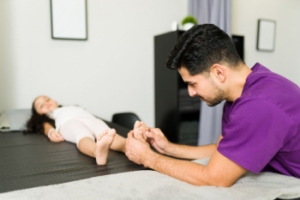

The windlass test is a simple clinical method used to examine how the plantar fascia behaves when the big toe is raised and the arch is placed under tension. During this movement, a podiatrist gently lifts the big toe while keeping the foot steady, allowing them to see whether the plantar fascia tightens normally or triggers discomfort. This test is most often associated with plantar fasciitis because people with this condition frequently feel heel or arch pain when the toe is elevated. It can also provide helpful information about flat feet, arch fatigue, or other mechanical issues that affect daily movement. The windlass test is usually performed when someone reports morning foot pain, stiffness, or tenderness along the bottom of the foot. If these symptoms persist or interfere with routine activity, it is suggested that you see a podiatrist for effective relief and treatment solutions.
If you have any concerns about your feet, contact Roy Rothman, DPM from Florida. Our doctor can provide the care you need to keep you pain-free and on your feet.
Biomechanics in Podiatry
Podiatric biomechanics is a particular sector of specialty podiatry with licensed practitioners who are trained to diagnose and treat conditions affecting the foot, ankle and lower leg. Biomechanics deals with the forces that act against the body, causing an interference with the biological structures. It focuses on the movement of the ankle, the foot and the forces that interact with them.
A History of Biomechanics
Modern technological improvements are based on past theories and therapeutic processes that provide a better understanding of podiatric concepts for biomechanics. Computers can provide accurate information about the forces and patterns of the feet and lower legs.
Understanding biomechanics of the feet can help improve and eliminate pain, stopping further stress to the foot.
If you have any questions please feel free to contact our office located in DeBary, FL . We offer the newest diagnostic and treatment technologies for all your foot and ankle needs.


Padel is a fast-growing racquet sport that blends elements of tennis and squash, played on a smaller enclosed court with quick directional changes and constant lateral movement. Because the game relies on rapid pivots, sudden stops, and explosive pushes off the foot, it places notable stress on the lower extremities. Many players develop issues such as ankle sprains from twisting on the enclosed court surface, peroneal tendon irritation from repeated side-to-side motions, or plantar fasciitis caused by continuous impact during rallies. Stress to the forefoot can also lead to metatarsalgia or aggravate bunions and hammertoes, especially in players wearing tight or unsupportive shoes. Early recognition of soreness, swelling, or instability is key, since untreated injuries can worsen quickly in such a dynamic sport. It is suggested that you see a podiatrist if ankle or foot pain persists, as prompt care helps maintain comfort, performance, and long-term foot health.
Sports related foot and ankle injuries require proper treatment before players can go back to their regular routines. For more information, contact Roy Rothman, DPM of Florida. Our doctor can provide the care you need to keep you pain-free and on your feet.
Sports Related Foot and Ankle Injuries
Foot and ankle injuries are a common occurrence when it comes to athletes of any sport. While many athletes dismiss the initial aches and pains, the truth is that ignoring potential foot and ankle injuries can lead to serious problems. As athletes continue to place pressure and strain the area further, a mild injury can turn into something as serious as a rupture and may lead to a permanent disability. There are many factors that contribute to sports related foot and ankle injuries, which include failure to warm up properly, not providing support or wearing bad footwear. Common injuries and conditions athletes face, including:
Sports related injuries are commonly treated using the RICE method. This includes rest, applying ice to the injured area, compression and elevating the ankle. More serious sprains and injuries may require surgery, which could include arthroscopic and reconstructive surgery. Rehabilitation and therapy may also be required in order to get any recovering athlete to become fully functional again. Any unusual aches and pains an athlete sustains must be evaluated by a licensed, reputable medical professional.
If you have any questions please contact our office located in DeBary, FL . We offer the newest diagnostic and treatment technologies for all your foot and ankle needs.


Bunions are a common foot condition where the tip of the big toe gradually shifts toward the smaller toes, creating a visible bump at the side of the foot. They are often caused by inherited foot structure, wearing improper footwear, arthritis, or repeated pressure on the joint. A bunion may look red, swollen, or enlarged and can feel tender, stiff, or painful, especially when walking or wearing narrow shoes. Some people experience burning sensations or limited toe movement. A podiatrist can help from the start by evaluating foot structure, gait, and joint alignment, sometimes using imaging to confirm the diagnosis. Non-surgical treatments may include footwear recommendations, padding, custom orthotics, and targeted exercises to reduce strain and improve comfort. Early management can slow progression, ease pain, and improve daily mobility. If you have a painful bunion, it is suggested that you schedule an appointment with a podiatrist for effective relief and treatment solutions.
If you are suffering from bunions, contact Roy Rothman, DPM of Florida. Our doctor can provide the care you need to keep you pain-free and on your feet.
What Is a Bunion?
A bunion is formed of swollen tissue or an enlargement of boney growth, usually located at the base joint of the toe that connects to the foot. The swelling occurs due to the bones in the big toe shifting inward, which impacts the other toes of the foot. This causes the area around the base of the big toe to become inflamed and painful.
Why Do Bunions Form?
Genetics – Susceptibility to bunions are often hereditary
Stress on the feet – Poorly fitted and uncomfortable footwear that places stress on feet, such as heels, can worsen existing bunions
How Are Bunions Diagnosed?
Podiatrists often perform two tests – blood tests and x-rays – when trying to diagnose bunions, especially in the early stages of development. Blood tests help determine if the foot pain is being caused by something else, such as arthritis, while x-rays provide a clear picture of your bone structure to your provider.
How Are Bunions Treated?
If you have any questions, please feel free to contact our office located in DeBary, FL . We offer the newest diagnostic and treatment technologies for all your foot care needs.


 Follow Us