
Roy A. Rothman, DPM, PA
Podiatric Medicine and SurgeonFoot & Ankle Specialist

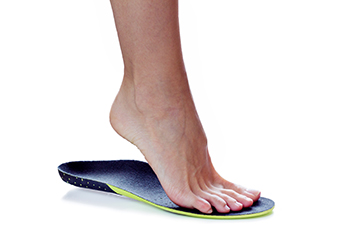
Custom-made orthotics are often an effective solution for alleviating foot pain and promoting overall foot health. These specially crafted insoles are designed to provide personalized support and cushioning, catering to the unique needs of an individual. Orthotics work by offering targeted support to areas of the foot that may be experiencing discomfort or strain. They can help correct issues like overpronation or underpronation, which can lead to various foot problems. By providing proper alignment and cushioning, custom orthotics can reduce pressure on the arches, heels, and metatarsal areas, addressing conditions such as plantar fasciitis, bunions, or flat feet. One significant advantage of custom orthotics is their tailored fit. They are created based on a detailed analysis of an individual's foot structure and gait pattern, ensuring a precise and comfortable fit. Whether you are an athlete seeking improved performance or someone dealing with chronic foot pain, it is suggested that you make an appointment with a podiatrist to discuss whether custom-made orthotics can help you.
If you are having discomfort in your feet and would like to try orthotics, contact Roy Rothman, DPM from Florida. Our doctor can provide the care you need to keep you pain-free and on your feet.
What Are Orthotics?
Orthotics are inserts you can place into your shoes to help with a variety of foot problems such as flat feet or foot pain. Orthotics provide relief and comfort for minor foot and heel pain but can’t correct serious biomechanical problems in your feet.
Over-the-Counter Inserts
Orthotics come in a wide variety of over-the-counter inserts that are used to treat foot pain, heel pain, and minor problems. For example, arch supports can be inserted into your shoes to help correct overarched or flat feet, while gel insoles are often used because they provide comfort and relief from foot and heel pain by alleviating pressure.
Prescription Orthotics
If over-the-counter inserts don’t work for you or if you have a more severe foot concern, it is possible to have your podiatrist prescribe custom orthotics. These high-quality inserts are designed to treat problems such as abnormal motion, plantar fasciitis, and severe forms of heel pain. They can even be used to help patients suffering from diabetes by treating foot ulcers and painful calluses and are usually molded to your feet individually, which allows them to provide full support and comfort.
If you are experiencing minor to severe foot or heel pain, it’s recommended to speak with your podiatrist about the possibilities of using orthotics. A podiatrist can determine which type of orthotic is right for you and allow you to take the first steps towards being pain-free.
If you have any questions, please feel free to contact our office located in DeBary, FL . We offer the newest diagnostic and treatment technologies for all your foot care needs.
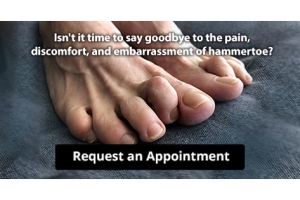
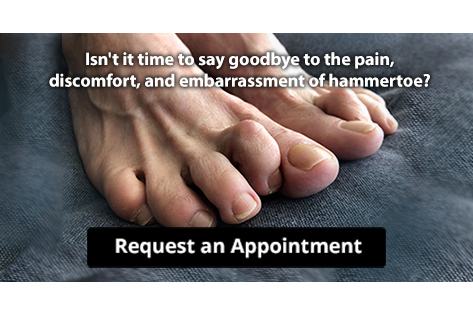
Painful deformities, such as hammertoes, can be treated. Stop living with foot pain, and have beautiful feet again!

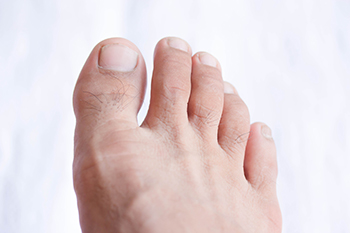
Debilitating arthritis often affects the big toe, a condition referred to as hallux rigidus. In cases where conservative treatments fall short, cheilectomy surgery may be an option. This procedure aims to address the impact of arthritis by removing bone spurs that form on the top of the big toe. Bone spurs, or bony lumps, are a common result of hallux rigidus and can lead to pain and limited range of motion. The body produces these spurs as a protective measure to restrict movement, to alleviate arthritic pain. Those considering cheilectomy typically experience pain while wearing shoes and may view this surgery as a treatment option for early-stage arthritis of the big toe. Cheilectomy is a relatively simple foot operation, and most patients can expect a full recovery within six to eight weeks post-surgery. The primary objective of the procedure is to eliminate the bone spur, providing relief from pain and enhancing toe mobility. If you are grappling with persistent big toe pain or restricted movement, it is suggested that you consult with a podiatrist. This foot doctor can assess your condition and help determine whether a cheilectomy is a suitable solution.
Foot surgery is sometimes necessary to treat a foot ailment. To learn more, contact Roy Rothman, DPM of Florida. Our doctor will assist you with all of your foot and ankle needs.
When Is Surgery Necessary?
Foot and ankle surgery is generally reserved for cases in which less invasive, conservative procedures have failed to alleviate the problem. Some of the cases in which surgery may be necessary include:
What Types of Surgery Are There?
The type of surgery you receive will depend on the nature of the problem you have. Some of the possible surgeries include:
Benefits of Surgery
Although surgery is usually a last resort, it can provide more complete pain relief compared to non-surgical methods and may allow you to finally resume full activity.
Surgical techniques have also become increasingly sophisticated. Techniques like endoscopic surgery allow for smaller incisions and faster recovery times.
If you have any questions, please feel free to contact our office located in DeBary, FL . We offer the newest diagnostic and treatment technologies for all your foot care needs.


Foot drop is a condition that affects the ability to lift the front part of the foot and can hinder carrying out various daily activities. The main symptom of foot drop is a distinct walking pattern called steppage gait, similar to marching. It happens when individuals compensate for the difficulty in foot lifting by raising their thighs more than usual, resulting in a noticeable foot slap with each step. Numbness on the top of the foot and toes may accompany this gait abnormality. Foot drop can affect one or both feet and stems from various causes. Included are nerve injuries due to compression in the leg from injuries or surgery and nerve root injuries in the spine, more common among individuals with diabetes. Other conditions like muscular dystrophy or neurologic disorders such as polio, may cause foot drop. Moreover, disorders affecting the brain or spinal cord, such as stroke or multiple sclerosis, may contribute to this gait disorder. It may call for a team of medical professionals to manage foot drop. One of these is a podiatrist, who is trained to detect and manage foot drop. For more information and an examination, it is suggested that you schedule an appointment with a podiatrist who can offer treatment suggestions.
If you have any concerns about your feet, contact Roy Rothman, DPM from Florida. Our doctor can provide the care you need to keep you pain-free and on your feet.
Biomechanics in Podiatry
Podiatric biomechanics is a particular sector of specialty podiatry with licensed practitioners who are trained to diagnose and treat conditions affecting the foot, ankle and lower leg. Biomechanics deals with the forces that act against the body, causing an interference with the biological structures. It focuses on the movement of the ankle, the foot and the forces that interact with them.
A History of Biomechanics
Modern technological improvements are based on past theories and therapeutic processes that provide a better understanding of podiatric concepts for biomechanics. Computers can provide accurate information about the forces and patterns of the feet and lower legs.
Understanding biomechanics of the feet can help improve and eliminate pain, stopping further stress to the foot.
If you have any questions please feel free to contact our office located in DeBary, FL . We offer the newest diagnostic and treatment technologies for all your foot and ankle needs.
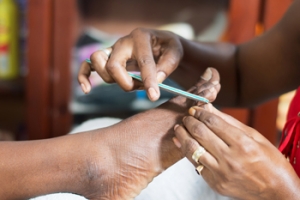
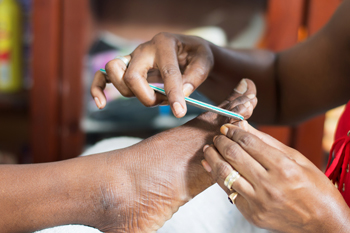
In the realm of overall health, the often overlooked foundation is our feet. Foot hygiene, a seemingly simple aspect of self-care, plays a critical role in promoting well-being. Our feet, subjected to daily wear and tear, are susceptible to various issues that can impact mobility and comfort. Regular cleansing, including washing and drying thoroughly, prevents the accumulation of bacteria and fungi, reducing the risk of infections such as athlete's foot. Proper nail care, which consists of trimming the nails straight across, aids in preventing ingrown toenails and related complications. Choosing breathable footwear and allowing shoes to air out between wears contributes to a healthier environment for the feet, reducing chances of infection. Regular inspection of the feet for any abnormalities, such as cuts, blisters, or calluses, allows for timely intervention. By prioritizing foot hygiene, we not only prevent discomfort and potential health issues, but also lay the foundation for an active and mobile lifestyle. If you are having problems with your feet, it is suggested that you consult a podiatrist.
Everyday foot care is very important to prevent infection and other foot ailments. If you need your feet checked, contact Roy Rothman, DPM from Florida. Our doctor can provide the care you need to keep you pain-free and on your feet.
Everyday Foot Care
Often, people take care of their bodies, face and hair more so than they do for their feet. But the feet are a very important aspect of our bodies, and one that we should pay more attention to. Without our feet, we would not be able to perform most daily tasks.
It is best to check your feet regularly to make sure there are no new bruises or cuts that you may not have noticed before. For dry feet, moisturizer can easily be a remedy and can be applied as often as necessary to the affected areas. Wearing shoes that fit well can also help you maintain good foot health, as well as making it easier to walk and do daily activities without the stress or pain of ill-fitting shoes, high heels, or even flip flops. Wearing clean socks with closed shoes is important to ensure that sweat and bacteria do not accumulate within the shoe. Clean socks help to prevent Athlete’s foot, fungi problems, bad odors, and can absorb sweat.
If you have any questions, please feel free to contact our office located in DeBary, FL . We offer the newest diagnostic and treatment technologies for all your foot care needs.

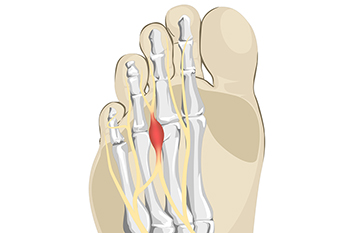
Morton's neuroma is a painful condition that affects the nerves in the ball of the foot, often causing discomfort and a sensation of a lump between the toes. To diagnose and effectively treat Morton's neuroma, podiatrists often employ various imaging tests. Ultrasound is a commonly used imaging technique to visualize Morton's neuroma. It provides real time images and allows for dynamic assessment, which can help in confirming the diagnosis. Ultrasound can also guide injections for therapeutic purposes. Magnetic resonance imaging, or MRI, is another valuable tool for evaluating Morton's neuroma. It offers detailed images of the foot's soft tissues, providing insight into the size and location of the neuroma. This can assist in treatment planning and determining the severity of the condition. X-rays, although less effective in directly visualizing neuromas, are sometimes used to rule out other foot conditions like bone abnormalities or arthritis. These imaging tests play a vital role in diagnosing Morton's neuroma and determining the most appropriate treatment approach, which may include conservative measures, injections, or surgical intervention. If you have pain in the ball of your foot, it is suggested that you schedule an appointment with a podiatrist, as early intervention can lead to more effective management of this painful foot condition.
Morton’s neuroma is a very uncomfortable condition to live with. If you think you have Morton’s neuroma, contact Roy Rothman, DPM of Florida. Our doctor will attend to all of your foot care needs and answer any of your related questions.
Morton’s Neuroma
Morton's neuroma is a painful foot condition that commonly affects the areas between the second and third or third and fourth toe, although other areas of the foot are also susceptible. Morton’s neuroma is caused by an inflamed nerve in the foot that is being squeezed and aggravated by surrounding bones.
What Increases the Chances of Having Morton’s Neuroma?
Morton’s neuroma is a very treatable condition. Orthotics and shoe inserts can often be used to alleviate the pain on the forefront of the feet. In more severe cases, corticosteroids can also be prescribed. In order to figure out the best treatment for your neuroma, it’s recommended to seek the care of a podiatrist who can diagnose your condition and provide different treatment options.
If you have any questions, please feel free to contact our office located in DeBary, FL . We offer the newest diagnostic and treatment technologies for all your foot care needs.


 Follow Us