
Roy A. Rothman, DPM, PA
Podiatric Medicine and SurgeonFoot & Ankle Specialist

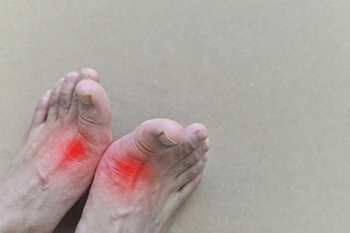
Gout is a painful form of arthritis caused by a buildup of uric acid crystals in the joints, most commonly in the big toe. Flare-ups can be triggered by diet, dehydration, alcohol, certain medications, or underlying health conditions like kidney disease. Consuming red meat, shellfish, sugary drinks, and alcohol, especially beer, are known to increase uric acid levels. Symptoms of gout include sudden, intense joint pain, swelling, redness, and warmth in the affected area. The pain often strikes at night and can be so severe that even a bedsheet touching the toe feels unbearable. A podiatrist plays a key role in diagnosing and managing gout. They can confirm the condition through physical exams, imaging, or lab tests, and recommend personalized treatment plans including medication, dietary changes, and lifestyle adjustments to prevent future flare-ups. If you have painful gout, it is suggested that you are under the care of a podiatrist.
Gout is a foot condition that requires certain treatment and care. If you are seeking treatment, contact Roy Rothman, DPM from Florida. Our doctor will treat your foot and ankle needs.
What Is Gout?
Gout is a type of arthritis caused by a buildup of uric acid in the bloodstream. It often develops in the foot, especially the big toe area, although it can manifest in other parts of the body as well. Gout can make walking and standing very painful and is especially common in diabetics and the obese.
People typically get gout because of a poor diet. Genetic predisposition is also a factor. The children of parents who have had gout frequently have a chance of developing it themselves.
Gout can easily be identified by redness and inflammation of the big toe and the surrounding areas of the foot. Other symptoms include extreme fatigue, joint pain, and running high fevers. Sometimes corticosteroid drugs can be prescribed to treat gout, but the best way to combat this disease is to get more exercise and eat a better diet.
If you have any questions, please feel free to contact our office located in DeBary, FL . We offer the newest diagnostic and treatment technologies for all your foot care needs.


You don't need an excuse to have beautiful nails. Step outside without worrying about the appearance of your feet.


Unpleasant foot odor, cracked heels, and changes in skin or nails are common concerns that can signal underlying issues. Foot odor often results from bacteria mixing with sweat, especially in tight or non-breathable shoes. Fungal infections like athlete’s foot or toenail fungus can worsen odor and cause scaling, peeling, or thickened nails. Cracked heels, on the other hand, often develop from dry skin, prolonged standing, or wearing open-back shoes. They may start as small splits but can deepen and become painful or infected if not treated. Changes in foot appearance, such as redness, thick nails, or skin irritation, should not be ignored. Good hygiene, moisturizing regularly, and wearing proper footwear can help prevent many of these problems. However, if symptoms continue or become more severe, especially if you have diabetes or circulation issues, it is suggested that you see a podiatrist for expert evaluation and treatment.
If the skin on your feet starts to crack, you may want to see a podiatrist to find treatment. If you have any concerns, contact Roy Rothman, DPM from Florida. Our doctor can provide the care you need to keep you pain-free and on your feet.
Cracked Heels
It is important to moisturize your cracked heels in order to prevent pain, bleeding, and infection. The reason cracked heels form is because the skin on the foot is too dry to support the immense pressure placed on them. When the foot expands, the dry skin on the foot begins to split.
Ways to Help Heal Them
Ways to Prevent Cracked Heels
If you are unsure how to proceed in treating cracked heels, seek guidance from a podiatrist. Your doctor will help you with any questions or information you may need.
If you have any questions, please feel free to contact our office located in DeBary, FL . We offer the newest diagnostic and treatment technologies for all your foot care needs.
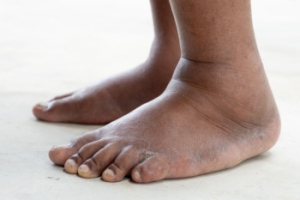
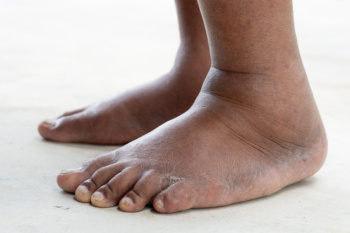
Swollen feet can be a sign of various underlying medical conditions that affect the body’s ability to manage fluid balance. During pregnancy, hormonal changes and increased pressure on blood vessels can cause fluid retention, leading to noticeable swelling in the feet and ankles. Heart conditions such as congestive heart failure may impair circulation, allowing fluid to accumulate in the lower extremities. When kidney function is reduced, the body may struggle to eliminate excess fluid and sodium, contributing to swelling. Liver disease can also lead to fluid buildup due to decreased production of proteins that regulate blood volume. Additionally, poor circulation, often from conditions like venous insufficiency, can prevent blood from flowing effectively back to the heart. If you have swollen feet, it is suggested that you visit a podiatrist who can offer you effective relief and management methods.
Swollen feet can be a sign of an underlying condition. If you have any concerns, contact Roy Rothman, DPM of Florida. Our doctor can provide the care you need to keep you pain-free and on your feet.
Swollen feet are a common ailment among pregnant women and people who stand or sit for extended periods. Aging may increase the possibility of swollen feet and patients who are obese often notice when their feet are swelling too. There may be medical reasons why swollen feet occur:
Swollen feet can also be caused by bone and tendon conditions, including fractures, arthritis, and tendinitis. Additionally, there may be skin and toenail conditions and an infection may cause the feet to swell. Patients who take medicine to treat high blood pressure may be prone to getting swollen feet.
Many patients elevate their feet to help relieve the swelling and this is generally a temporary remedy. When a podiatrist is consulted the reason behind the swelling can be uncovered and subsequently treated.
If you have any questions please contact our office located in DeBary, FL . We offer the newest diagnostic and treatment technologies for all your foot and ankle needs.


As the body ages, the fat pads on the feet undergo structural and functional changes that can affect comfort and mobility. Fat pad atrophy, a gradual thinning of the cushioning beneath the heel and forefoot, reduces shock absorption and increases sensitivity to pressure. The loss of elasticity in the skin and connective tissues further contributes to discomfort, making the feet more vulnerable to pain and injuries. Altered biomechanics, including changes in gait and posture, may develop as the body compensates for reduced cushioning. Increased pressure points can lead to calluses, soreness, and a higher risk of foot conditions. If you are elderly and have foot pain, it is suggested that you schedule an appointment with a podiatrist who can offer you effective relief methods.
If you need your feet checked, contact Roy Rothman, DPM of Florida. Our doctor will attend to all of your foot and ankle needs and provide you with quality treatment.
Geriatrics and Podiatry
When people age, some common issues that may occur are bone density loss, dry skin, poor circulation, and rough brittle nails. These issues may also affect your foot health if the necessary steps are not taken to alleviate the problems.
It is important to take care of your feet because feet that are injured or diseased can affect your overall health. Having painful feet hinders your ability to do daily activities or may decrease your willingness to do the things that you need to do.
Visiting Your Geriatrician
As we age, health problems become more likely, so it is essential to visit your doctor for check-ups to ensure that you are doing the best you can to take care of your health. It is recommended to check your feet frequently for any possible cuts, bruises, swelling, corns or any other irregularities.
Taking Care of Elderly Feet
Cracked or dry feet can be treated by applying moisturizer often. It is also important not to wear old socks because the older the sock is, the higher the possibility there will be that there is bacteria there. Wear fresh socks and make sure they fit properly.
Proper foot health means that you can have a more active lifestyle and you will not be bogged down by pain. Foot health also leads to good circulation, which is paramount for overall health.
If you have any questions, please feel free to contact our office located in DeBary, FL . We offer the newest diagnostic and treatment technologies for all your foot care needs.


Your feet are made up of 26 bones, and any of them can break under the right circumstances. Foot fractures can happen suddenly from trauma, like a fall or dropping something heavy on it, or develop over time as stress fractures from repetitive activity. Common signs include pain, swelling, bruising, and difficulty putting weight on the affected foot. Prompt diagnosis is essential. A podiatrist will assess your symptoms and may order X-rays or other imaging tests to determine the type and severity of the fracture. Treatment varies depending on the location and extent of the injury. Minor fractures may heal with rest, immobilization in a boot or cast, and avoidance of weight-bearing activities. More complex breaks may require surgery to realign and stabilize the bones. If you think you have broken a bone in your foot or have persistent pain after an injury, it is suggested that you schedule an appointment with a podiatrist for a proper diagnosis and personalized treatment plan.
A broken foot requires immediate medical attention and treatment. If you need your feet checked, contact Roy Rothman, DPM from Florida. Our doctor can provide the care you need to keep you pain-free and on your feet.
Broken Foot Causes, Symptoms, and Treatment
A broken foot is caused by one of the bones in the foot typically breaking when bended, crushed, or stretched beyond its natural capabilities. Usually the location of the fracture indicates how the break occurred, whether it was through an object, fall, or any other type of injury.
Common Symptoms of Broken Feet:
Those that suspect they have a broken foot shoot seek urgent medical attention where a medical professional could diagnose the severity.
Treatment for broken bones varies depending on the cause, severity and location. Some will require the use of splints, casts or crutches while others could even involve surgery to repair the broken bones. Personal care includes the use of ice and keeping the foot stabilized and elevated.
If you have any questions, please feel free to contact our office located in DeBary, FL . We offer the newest diagnostic and treatment technologies for all your foot care needs.


 Follow Us