
Roy A. Rothman, DPM, PA
Podiatric Medicine and SurgeonFoot & Ankle Specialist

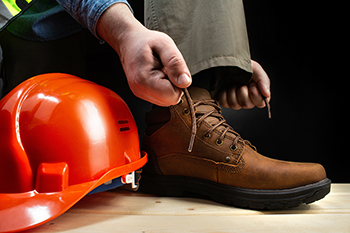
Workplace foot injuries are not only painful but can also lead to lost productivity and reduced quality of life. To avoid such mishaps, consider these essential strategies. First and foremost, wearing proper footwear is key. Invest in sturdy, comfortable shoes or boots designed for your specific work environment. Ensure they fit well and provide ample support. Second, keep your workspace clutter-free. Remove any obstacles or tripping hazards that could lead to slips and falls. Next, practice good housekeeping, ensuring spilled liquids are cleaned promptly. Additionally, stay mindful of the ergonomic design of your workspace, which can reduce the strain on your feet. Last but not least, if your job involves heavy lifting or dangerous machinery, always use the provided safety gear. This can include wearing steel-toed boots and foot guards to protect against falling objects or potential crushing accidents. By staying vigilant and following these guidelines, you can significantly reduce the risk of common foot injuries in the workplace and keep your feet in top condition. If you would like information about appropriate shoes to wear for work, it is suggested that you visit a podiatrist.
While working on the feet, it is important to take the proper care of them. For more information about working on your feet, contact Roy Rothman, DPM from Florida. Our doctor will treat your foot and ankle needs.
Working on Your Feet
Standing on your feet for long periods of time can cause stress and pain in your feet. Your whole body may experience change in terms of posture, back pain, bunions, callouses and or plantar warts. There are ways to avoid these conditions with proper foot care, smart choices and correct posture.
Positive Changes
Negative heeled shoe – Choosing this shoe type places the heel slightly lower than the ball of the foot. These are great for overall foot health. Find shoes that fit you correctly.
Go barefoot – Our feet were not designed to be enclosed for all hours of the day. Try to periodically expose your feet to air.
Eliminate Pain
Foot Exercises – Performing simple exercises, incorporating yoga and doing stretches are beneficial. This will allow increased blood flow to the area and muscles of the foot.
Achilles tendon – Stretching the foot out flat on the floor will relax the calf muscles and tendon. These exercises can be performed almost anywhere. Make sure you add these exercises to your daily regimen.
With a little bit of this information and knowing more about foot health, you will notice changes. Foot stretches and proper footwear will help with pain and prevent further issues.
If you have any questions please contact our office located in DeBary, FL . We offer the newest diagnostic and treatment technologies for all your foot and ankle needs.


Plantar warts are small growths that develop on parts of the feet that bear weight. They're typically found on the bottom of the foot. Don't live with plantar warts, and call us today!
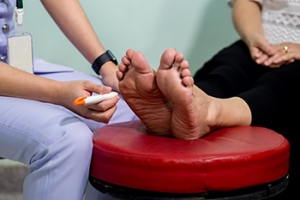
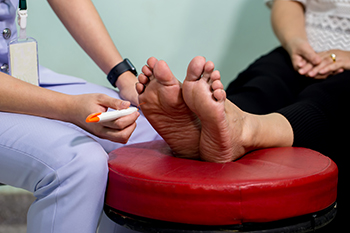
Neuropathy, a condition characterized by nerve damage, can significantly impact the feet, leading to various symptoms that range from tingling sensations to sharp pain. Diabetes stands as a primary contributor to neuropathy, with prolonged elevated blood sugar levels damaging nerves over time. Other systemic conditions such as autoimmune disorders, kidney diseases, and vitamin deficiencies can also instigate neuropathic symptoms in the feet. Moreover, exposure to toxins, certain medications, or infections may provoke neuropathy, affecting the peripheral nerves responsible for transmitting signals between the feet and the central nervous system. Trauma or injury to the nerves, often arising from accidents or surgeries, can induce neuropathic symptoms. Understanding the diverse causes of neuropathy is paramount for an accurate diagnosis and targeted intervention. If you have tingling or numbing sensations in your feet, it is suggested that you schedule an appointment with a podiatrist who can diagnose and treat neuropathy.
Neuropathy
Neuropathy can be a potentially serious condition, especially if it is left undiagnosed. If you have any concerns that you may be experiencing nerve loss in your feet, consult with Roy Rothman, DPM from Florida. Our doctor will assess your condition and provide you with quality foot and ankle treatment for neuropathy.
What Is Neuropathy?
Neuropathy is a condition that leads to damage to the nerves in the body. Peripheral neuropathy, or neuropathy that affects your peripheral nervous system, usually occurs in the feet. Neuropathy can be triggered by a number of different causes. Such causes include diabetes, infections, cancers, disorders, and toxic substances.
Symptoms of Neuropathy Include:
Those with diabetes are at serious risk due to being unable to feel an ulcer on their feet. Diabetics usually also suffer from poor blood circulation. This can lead to the wound not healing, infections occurring, and the limb may have to be amputated.
Treatment
To treat neuropathy in the foot, podiatrists will first diagnose the cause of the neuropathy. Figuring out the underlying cause of the neuropathy will allow the podiatrist to prescribe the best treatment, whether it be caused by diabetes, toxic substance exposure, infection, etc. If the nerve has not died, then it’s possible that sensation may be able to return to the foot.
Pain medication may be issued for pain. Electrical nerve stimulation can be used to stimulate nerves. If the neuropathy is caused from pressure on the nerves, then surgery may be necessary.
If you have any questions, please feel free to contact our office located in DeBary, FL . We offer the newest diagnostic and treatment technologies for all your foot care needs.


Our feet and ankles are often overlooked as we perform daily activities, and they deserve dedicated attention in the form of regular stretches. Incorporating these foot and ankle stretches into your routine promotes flexibility, enhances range of motion, and mitigates the risk of injuries. Simple yet effective stretches include toe-pointing and flexing, encouraging mobility in the ankle joints. Rolling the ankles in circular motions helps to maintain flexibility and strengthens the surrounding muscles. Calf stretches, achieved by placing one foot behind the other and gently leaning forward, target the muscles supporting the ankle. Plantar fascia stretches, involving pulling the toes toward you, alleviate tension on the bottom of the foot. Regularly performing these stretches, holding each position for a comfortable duration, contributes to improved circulation, reduced stiffness, and overall foot health. Regularly performing foot and ankle stretches can help to ensure the feet stay strong and limber. If you would like more information about additional stretches to perform, it is suggested that you consult a podiatrist.
Stretching the feet is a great way to prevent injuries. If you have any concerns with your feet consult with Roy Rothman, DPM from Florida. Our doctor will assess your condition and provide you with quality foot and ankle treatment.
Stretching the Feet
Being the backbone of the body, the feet carry your entire weight and can easily become overexerted, causing cramps and pain. As with any body part, stretching your feet can serve many benefits. From increasing flexibility to even providing some pain relief, be sure to give your feet a stretch from time to time. This is especially important for athletes or anyone performing aerobic exercises, but anyone experiencing foot pain or is on their feet constantly should also engage in this practice.
Great ways to stretch your feet:
Individuals who tend to their feet by regular stretching every day should be able to minimize foot pain and prevent new problems from arising.
If you have any questions please contact our office located in DeBary, FL . We offer the newest diagnostic and treatment technologies for all your foot and ankle needs.
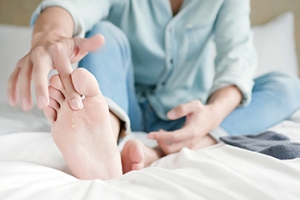
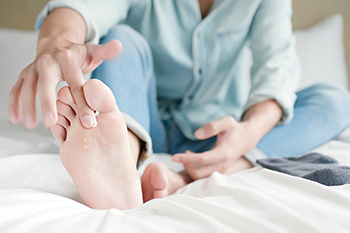
Athlete's foot, or tinea pedis, is a fungal infection that affects up to 70 percent of the population. Despite its name, athlete’s foot is not limited to athletes. It can affect anyone exposed to various fungi that thrive in warm and moist environments, such as gyms, locker rooms, swimming pools, and communal showers. Exposure is also possible at nail salons and through contact with contaminated socks, towels and clothing. Direct person-to-person transmission is also possible. Walking barefoot in areas frequented by someone with athlete's foot is a common mode of transmission. Warmth combined with moisture is a popular breeding ground for fungal infections like athlete’s foot. Several factors increase the risk of developing this annoying condition. Walking barefoot in wet, dark areas and wearing footwear made of material that does not breathe create an ideal environment for fungal growth. Excessive sweating or exposure to external moisture increases the risk. Wearing the same shoes and socks for extended periods can damage the skin and leave you open to infection. Individuals with diabetes are predisposed, and having eczema may contribute. Athlete's foot appears to affect more men than women. Pedicures performed in contaminated environments also can contribute to the spread of the disease. If you have been infected with athlete’s foot that has become problematic, it is suggested that you schedule an appointment with a podiatrist for an examination and advanced treatment measures.
Athlete’s Foot
Athlete’s foot is often an uncomfortable condition to experience. Thankfully, podiatrists specialize in treating athlete’s foot and offer the best treatment options. If you have any questions about athlete’s foot, consult with Roy Rothman, DPM from Florida. Our doctor will assess your condition and provide you with quality treatment.
What Is Athlete’s Foot?
Tinea pedis, more commonly known as athlete’s foot, is a non-serious and common fungal infection of the foot. Athlete’s foot is contagious and can be contracted by touching someone who has it or infected surfaces. The most common places contaminated by it are public showers, locker rooms, and swimming pools. Once contracted, it grows on feet that are left inside moist, dark, and warm shoes and socks.
Prevention
The most effective ways to prevent athlete’s foot include:
Symptoms
Athlete’s foot initially occurs as a rash between the toes. However, if left undiagnosed, it can spread to the sides and bottom of the feet, toenails, and if touched by hand, the hands themselves. Symptoms include:
Diagnosis and Treatment
Diagnosis is quick and easy. Skin samples will be taken and either viewed under a microscope or sent to a lab for testing. Sometimes, a podiatrist can diagnose it based on simply looking at it. Once confirmed, treatment options include oral and topical antifungal medications.
If you have any questions, please feel free to contact our office located in DeBary, FL . We offer the newest diagnostic and treatment technologies for all your foot care needs.


 Follow Us