
Roy A. Rothman, DPM, PA
Podiatric Medicine and SurgeonFoot & Ankle Specialist

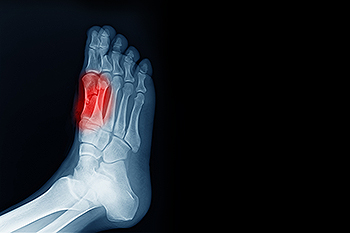
Sesamoiditis causes pain beneath the big toe and is often exacerbated by weight-bearing and specific footwear choices. The two tiny sesamoid bones, located just below the big toe, are integral to foot locomotion. They can be affected by direct trauma or positional changes, especially in individuals with high-arched feet, bunions, or those who wear high heels. For dancers, joggers, and those individuals with certain foot structures, the discomfort associated with sesamoiditis can be particularly challenging. Diagnosis by a podiatrist relies on examination of the toe, and determining range of motion. Other tests, such as synovial fluid analysis and X-rays, may be used to exclude infection and fractures. Pain from sesamoiditis is often intensified by walking and may involve inflammation, warmth, and swelling around the 1st metatarsophalangeal, or MTP, joint. Footwear modification and custom orthotics can play a pivotal role in managing symptoms. Wearing thick-soled shoes may also help alleviate sesamoid pressure. In cases where a sesamoid fracture without displacement is identified, treatment involves immobilizing the joint with a flat, rigid, surgical shoe. For help with pain resulting from sesamoiditis, it is suggested that you schedule an appointment with a podiatrist for an exam and treatment.
Sesamoiditis is an unpleasant foot condition characterized by pain in the balls of the feet. If you think you’re struggling with sesamoiditis, contact Roy Rothman, DPM of Florida. Our doctor will treat your condition thoroughly and effectively.
Sesamoiditis
Sesamoiditis is a condition of the foot that affects the ball of the foot. It is more common in younger people than it is in older people. It can also occur with people who have begun a new exercise program, since their bodies are adjusting to the new physical regimen. Pain may also be caused by the inflammation of tendons surrounding the bones. It is important to seek treatment in its early stages because if you ignore the pain, this condition can lead to more serious problems such as severe irritation and bone fractures.
Causes of Sesamoiditis
Treatment for sesamoiditis is non-invasive and simple. Doctors may recommend a strict rest period where the patient forgoes most physical activity. This will help give the patient time to heal their feet through limited activity. For serious cases, it is best to speak with your doctor to determine a treatment option that will help your specific needs.
If you have any questions, please feel free to contact our office located in DeBary, FL . We offer the newest diagnostic and treatment technologies for all your foot care needs.


If you are suffering from tenderness, pain, or stiffness in the joints of your feet or ankles, call us to schedule an appointment.


Mobility in the ankle joint is vital for everyday activities such as walking, climbing stairs, and transitioning between sitting and standing. Reduced ankle mobility can stem from various factors, with tight calf muscles being a primary contributor. The calf muscle, situated at the back of the shin, plays an essential role in the ability to flex and extend the foot. When this calf muscle becomes tight, it can affect overall ankle movement. In addition, scar tissue at the front of the ankle can also lead to anterior ankle impingement. It may cause discomfort and restrict movement, particularly during activities like squats. To counteract reduced ankle mobility, incorporating targeted exercises into your routine is important. One such effective exercise focuses on stretching the calf muscles, including the gastrocnemius. This wall stretch involves standing upright with one leg straight behind you and the other in front. While keeping the heel of your hindfoot on the floor, lean against the wall. Maintain this position until you feel a light pull on the back of your leg, holding for 45 seconds. Repeat this stretch several times daily to alleviate tightness and enhance ankle mobility. Whether you are an athlete aiming to optimize performance or simply want relief from ankle discomfort, it is suggested that you make an appointment with a podiatrist who can evaluate the situation and present you with appropriate treatment options.
Exercising your feet regularly with the proper foot wear is a great way to prevent injuries and build strength. If you have any concerns about your feet, contact Roy Rothman, DPM from Florida. Our doctor can provide the care you need to keep you pain-free and on your feet.
Exercise for Your Feet
Exercise for your feet can help you gain strength, mobility and flexibility in your feet. They say that strengthening your feet can be just as rewarding as strengthening another part of the body. Your feet are very important, and we often forget about them in our daily tasks. But it is because of our feet that are we able to get going and do what we need to. For those of us fortunate enough to not have any foot problems, it is an important gesture to take care of them to ensure good health in the long run.
Some foot health exercises can include ankle pumps, tip-toeing, toe rises, lifting off the floor doing reps and sets, and flexing the toes. It is best to speak with Our doctor to determine an appropriate regimen for your needs. Everyone’s needs and bodies are different, and the activities required to maintain strength in the feet vary from individual to individual.
Once you get into a routine of doing regular exercise, you may notice a difference in your feet and how strong they may become.
If you have any questions, please feel free to contact our office located in DeBary, FL . We offer the newest diagnostic and treatment technologies for all your foot care needs.

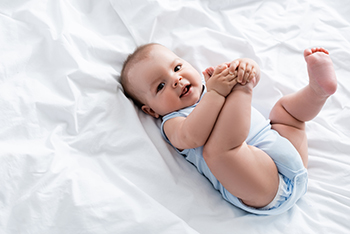
Newborns are a marvel of nature, but they can also exhibit a range of physical characteristics, including some common foot deformities. One of the most frequently encountered conditions is metatarsus adductus, where a baby's feet curve inward. This condition often corrects itself over time, but in severe cases, medical intervention may be required. Another common newborn foot deformity is congenital vertical talus, characterized by an upward bending of the foot's arch. This condition typically necessitates early treatment to ensure proper foot development. Clubfoot is another condition where the baby's feet point inward and downward, making it challenging for the child to walk. Fortunately, early intervention with casting and corrective footwear can help normalize the foot position. Understanding these common newborn foot deformities is essential, as early diagnosis and treatment can make a significant difference in a child's long-term foot health and overall well-being. Podiatrists play a vital role in addressing these issues and guiding parents through the necessary steps for proper management and treatment. If your child has a congenital foot deformity, it is strongly suggested that you seek the counsel of a podiatrist who can begin the correct treatment method.
Congenital foot problems require immediate attention to avoid future complications. If you have any concerns, contact Roy Rothman, DPM of Florida. Our doctor can provide the care you need to keep you pain-free and on your feet.
Congenital foot problems are deformities affecting the feet, toes, and/or ankles that children are born with. Some of these conditions have a genetic cause while others just happen. Some specific foot ailments that children may be born with include clubfeet, polydactyly/macrodactyly, and cleft foot. There are several other foot anomalies that can occur congenitally. What all of these conditions have in common is that a child may experience difficulty walking or performing everyday activities, as well as trouble finding footwear that fits their foot deformity. Some of these conditions are more serious than others. Consulting with a podiatrist as early as possible will help in properly diagnosing a child’s foot condition while getting the necessary treatment underway.
What are Causes of Congenital Foot Problem?
A congenital foot problem is one that happens to a child at birth. These conditions can be caused by a genetic predisposition, developmental or positional abnormalities during gestation, or with no known cause.
What are Symptoms of Congenital Foot Problems?
Symptoms vary by the congenital condition. Symptoms may consist of the following:
Treatment and Prevention
While there is nothing one can do to prevent congenital foot problems, raising awareness and receiving neonatal screenings are important. Early detection by taking your child to a podiatrist leads to the best outcome possible.
If you have any questions, please feel free to contact our office located in DeBary, FL . We offer the newest diagnostic and treatment technologies for all your foot care needs.
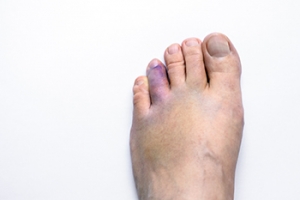
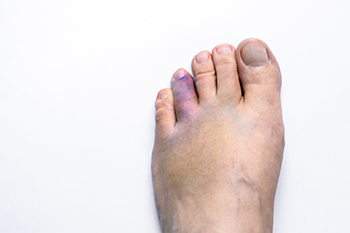
A broken toe, or toe fracture, is a painful injury that occurs when one or more of the toe bones known as the phalanges become cracked or fractured. This injury typically results from a sudden and forceful impact or trauma, like dropping a heavy object on the toe, stubbing it, or experiencing a direct blow during sports or accidents. The symptoms of a broken toe are quite distinct. Severe pain and immediate discomfort are common, often accompanied by swelling, bruising, and tenderness around the affected area. The toe may appear misshapen or out of alignment, making it challenging to move or bear weight. If the broken toe is severe, some individuals hear a cracking or popping sound at the time of injury. It is crucial to seek medical attention from a podiatrist if you suspect a broken toe. Recognizing the signs and seeking timely care can help prevent complications and expedite the recovery process. If you have broken your toe, it is suggested that you contact this type of doctor who can perform an accurate diagnosis and guide you toward the appropriate treatment method.
A broken toe can be very painful and lead to complications if not properly fixed. If you have any concerns about your feet, contact Roy Rothman, DPM from Florida. Our doctor will treat your foot and ankle needs.
What to Know About a Broken Toe
Although most people try to avoid foot trauma such as banging, stubbing, or dropping heavy objects on their feet, the unfortunate fact is that it is a common occurrence. Given the fact that toes are positioned in front of the feet, they typically sustain the brunt of such trauma. When trauma occurs to a toe, the result can be a painful break (fracture).
Symptoms of a Broken Toe
Generally, it is best to stay off of the injured toe with the affected foot elevated.
Severe toe fractures may be treated with a splint, cast, and in some cases, minor surgery. Due to its position and the pressure it endures with daily activity, future complications can occur if the big toe is not properly treated.
If you have any questions please feel free to contact our office located in DeBary, FL . We offer the newest diagnostic and treatment technologies for all your foot and ankle needs.


 Follow Us