
Roy A. Rothman, DPM, PA
Podiatric Medicine and SurgeonFoot & Ankle Specialist


Painful deformities, such as hammertoes, can be treated. Stop living with foot pain, and have beautiful feet again!

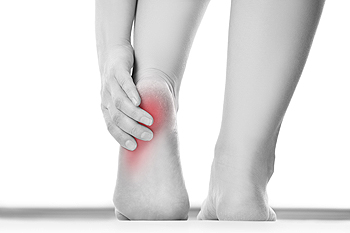
There are many possible causes of heel pain, with plantar fasciitis (an inflammation of the connective tissue on the bottom of the foot) topping the list. Injuries during exercising or while playing sports can also cause heel pain, which can sometimes occur if you have not first properly stretched your calves, ankles, and feet. Running too frequently, training on hard surfaces, suddenly turning your heel inwardly, or coming down hard or landing awkwardly on your heel can all lead to painful injuries of the heel. Wearing shoes that do not sufficiently absorb shock or support the heel can also contribute to heel pain, as can bone spurs on the heel, swelling of the bursa sac at the back of the heel (bursitis), and conditions that affect the Achilles tendon (which attaches to the heel bone). Pain in the heel should not be ignored. A podiatrist can diagnose your heel pain to determine its cause and create a treatment plan to treat it accordingly.
Many people suffer from bouts of heel pain. For more information, contact Roy Rothman, DPM of Florida. Our doctor can provide the care you need to keep you pain-free and on your feet.
Causes of Heel Pain
Heel pain is often associated with plantar fasciitis. The plantar fascia is a band of tissues that extends along the bottom of the foot. A rip or tear in this ligament can cause inflammation of the tissue.
Achilles tendonitis is another cause of heel pain. Inflammation of the Achilles tendon will cause pain from fractures and muscle tearing. Lack of flexibility is also another symptom.
Heel spurs are another cause of pain. When the tissues of the plantar fascia undergo a great deal of stress, it can lead to ligament separation from the heel bone, causing heel spurs.
Why Might Heel Pain Occur?
Treatments
Heel pain should be treated as soon as possible for immediate results. Keeping your feet in a stress-free environment will help. If you suffer from Achilles tendonitis or plantar fasciitis, applying ice will reduce the swelling. Stretching before an exercise like running will help the muscles. Using all these tips will help make heel pain a condition of the past.
If you have any questions please contact our office located in DeBary, FL . We offer the newest diagnostic and treatment technologies for all your foot and ankle needs.

 As popular as they are, high heels can bring a variety of long-term consequences to the overall health of the feet. Because they cause strides to be shorter and with more force and cause the toes to be in a flexed position, the calf muscles can shorten and may strain easily. Also, once someone who regularly wears high heels starts wearing flat shoes, like sneakers or flip flops, there is an increased chance of injury due to the feet being placed in a new environment. A variety of conditions can be caused by regularly wearing high heels, including hammertoes, bunions, sprained ankles, bone fractures, or ligament tears. If you have been injured because of wearing high heels, or simply seek advice on avoiding injuries, it is suggested that you visit a podiatrist for more information.
High heels have a history of causing foot and ankle problems. If you have any concerns about your feet or ankles, contact Roy Rothman, DPM from Florida. Our doctor can provide the care you need to keep you pain-free and on your feet.
Effects of High Heels on the Feet
High heels are popular shoes among women because of their many styles and societal appeal. Despite this, high heels can still cause many health problems if worn too frequently.
Which Parts of My Body Will Be Affected by High Heels?
What Kinds of Foot Problems Can Develop from Wearing High Heels?
How Can I Still Wear High Heels and Maintain Foot Health?
If you want to wear high heeled shoes, make sure that you are not wearing them every day, as this will help prevent long term physical problems. Try wearing thicker heels as opposed to stilettos to distribute weight more evenly across the feet. Always make sure you are wearing the proper shoes for the right occasion, such as sneakers for exercising. If you walk to work, try carrying your heels with you and changing into them once you arrive at work. Adding inserts to your heels can help cushion your feet and absorb shock. Full foot inserts or metatarsal pads are available.
If you have any questions, please feel free to contact our office located in DeBary, FL . We offer the newest diagnostic and treatment technologies for all your foot care needs.

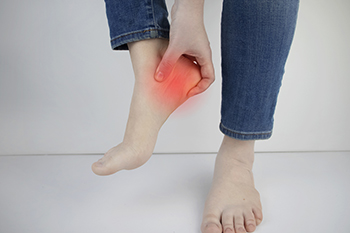
Plantar fasciitis is often associated with certain factors that can cause the band of tissue on the sole of the foot (plantar fascia) to become stressed, damaged, or even torn. These factors include engaging in physical activities that stretch the plantar fascia, such as running, tennis, step aerobics, and volleyball. Other factors include being obese or pregnant, wearing footwear with poor support in the arch and heel, or having flat feet, high arches or other structural issues of the feet. The symptoms of plantar fasciitis include heel pain and stiffness, which is often more intense in the morning or after periods of rest. A podiatrist can often diagnose plantar fasciitis—and distinguish it from other conditions that cause heel pain—by considering the patient’s symptoms and history, performing a physical examination, and analyzing X-rays and other imaging tests. If you feel pain in your heel, it is suggested that you contact a podiatrist as soon as possible to get your issue properly diagnosed and treated.
Plantar fasciitis is a common foot condition that is often caused by a strain injury. If you are experiencing heel pain or symptoms of plantar fasciitis, contact Roy Rothman, DPM from Florida. Our doctor can provide the care you need to keep you pain-free and on your feet.
What Is Plantar Fasciitis?
Plantar fasciitis is one of the most common causes of heel pain. The plantar fascia is a ligament that connects your heel to the front of your foot. When this ligament becomes inflamed, plantar fasciitis is the result. If you have plantar fasciitis you will have a stabbing pain that usually occurs with your first steps in the morning. As the day progresses and you walk around more, this pain will start to disappear, but it will return after long periods of standing or sitting.
What Causes Plantar Fasciitis?
There are some risk factors that may make you more likely to develop plantar fasciitis compared to others. The condition most commonly affects adults between the ages of 40 and 60. It also tends to affect people who are obese because the extra pounds result in extra stress being placed on the plantar fascia.
Prevention
There are a variety of treatment options available for plantar fasciitis along with the pain that accompanies it. Additionally, physical therapy is a very important component in the treatment process. It is important that you meet with your podiatrist to determine which treatment option is best for you.
If you have any questions, please feel free to contact our office located in DeBary, FL . We offer the newest diagnostic and treatment technologies for all your foot care needs.

 Many pregnant women experience swollen feet and ankles, mainly because of hormonal changes, as increased production of progesterone slows down digestion and circulation. Further, a buildup of blood to support the pregnancy means there is more fluid to build up in your feet. Other causes include humid weather, standing on your feet too long, and wearing tight clothing and shoes. Some ways to keep down the swelling (edema) include eating less salt and more foods containing potassium, cutting back on caffeine, drinking lots of water, and keeping your feet elevated as often as possible. In addition, you can take a short walk each day, wear compression socks, and avoid standing for long periods. Swelling normally develops in the third trimester and may continue after you give birth, but eventually it will subside. If the swelling in your feet becomes severe or painful, it is suggested that you seek the attention of a podiatrist immediately for a diagnosis and treatment plan.
Pregnant women with swollen feet can be treated with a variety of different methods that are readily available. For more information about other cures for swollen feet during pregnancy, consult with Roy Rothman, DPM from Florida. Our doctor will attend to all of your foot and ankle needs.
What Foot Problems Can Arise During Pregnancy?
One problem that can occur is overpronation, which occurs when the arch of the foot flattens and tends to roll inward. This can cause pain and discomfort in your heels while you’re walking or even just standing up, trying to support your baby.
Another problem is edema, or swelling in the extremities. This often affects the feet during pregnancy but tends to occur in the later stages.
How Can I Keep My Feet Healthy During Pregnancy?
If you have any questions, please feel free to contact our office located in DeBary, FL . We offer the newest diagnostic and treatment technologies for all your foot care needs.


 Follow Us