
Roy A. Rothman, DPM, PA
Podiatric Medicine and SurgeonFoot & Ankle Specialist
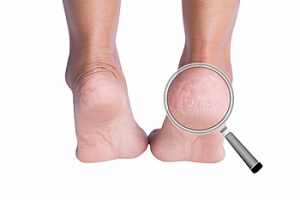
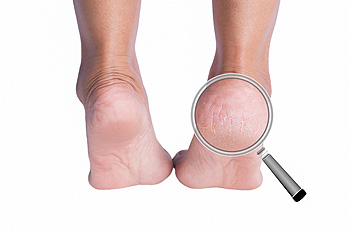
Heel fissures, also known as cracked heels, are a prevalent foot issue among adults, and they can be both painful and unsightly. These fissures appear as dry, flaky skin, and are often accompanied by deep, painful cracks on the heels. Several factors contribute to the development of heel fissures. One of the primary culprits is dry skin, typically caused by environmental conditions, such as low humidity or excessive heat, which can lead to the loss of natural skin moisture. Walking barefoot, particularly on hard surfaces, can also increase the risk of developing heel fissures. Additionally, underlying health conditions, like diabetes or thyroid disorders, can affect skin health, making individuals more susceptible to these conditions. If heel fissures become severe, it is suggested that you consult a podiatrist to rule out underlying health issues, in addition to receiving appropriate treatment options.
Cracked heels are unsightly and can cause further damage to your shoes and feet. If you have any concerns, contact Roy Rothman, DPM from Florida. Our doctor can provide the care you need to keep you pain-free and on your feet.
Cracked Heels
Cracked heels appear unappealing and can make it harder for you walk around in sandals. Aside from looking unpleasant, cracked heels can also tear stockings, socks, and wear out your shoes. There are several methods to help restore a cracked heel and prevent further damage.
How Do You Get Them?
Dry skin is the number one culprit in creating cracked heels. Many athletes, walkers, joggers, and even swimmers suffer from cracked heels. Age and skin oil production play a role to getting cracked heels as well.
Promote Healing
Over the counter medicines can help, especially for those that need instant relief or who suffer from chronic dry feet.
Wear Socks – Wearing socks with medicated creams helps lock in moisture.
Moisturizers – Applying both day and night will help alleviate dryness which causes cracking.
Pumice Stones – These exfoliate and remove dead skin, which allows for smoother moisturizer application and better absorption into the skin.
Change in Diet
Eating healthy with a well-balanced diet will give the skin a fresh and radiant look. Your body responds to the kinds of food you ingest. Omega-3 fatty acids and zinc supplements can also revitalize skin tissue.
Most importantly, seek professional help if unsure how to proceed in treating cracked heels. A podiatrist will help you with any questions or information needed.
If you have any questions, please feel free to contact our office located in DeBary, FL . We offer the newest diagnostic and treatment technologies for all your foot care needs.


Gout is a painful, inflammatory form of arthritis. Those affected will typically feel an intense stiffness in the joints of their feet, particularly in the big toe. Schedule a visit to learn about how gout can be managed and treated.
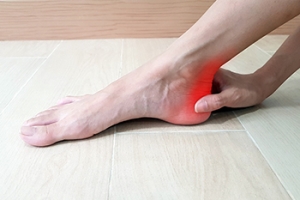
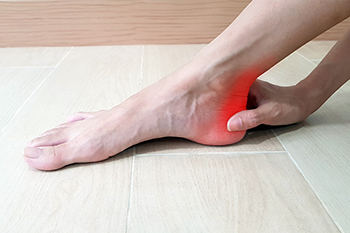
The Achilles tendon, a robust band of tissue connecting the calf muscles to the heel bone, plays a pivotal role in our ability to walk, run, and jump. However, this vital structure is not invincible. Achilles tendon injuries can be painful and debilitating. They often result from overuse, sudden changes in physical activity, or inadequate warm-up routines. Strains, characterized by mild to severe discomfort, may be a sign of overexertion or minor tears in the tendon. In contrast, a complete rupture, often accompanied by a sudden, sharp pain and a popping sensation, is a more severe injury requiring immediate medical attention. The road to recovery varies depending on the injury's extent, with treatments ranging from rest for minor strains to surgical intervention for more severe cases. If you experience an Achilles tendon injury, it is strongly suggested that you schedule an appointment with a podiatrist who can determine what the correct treatment is for you.
Achilles tendon injuries need immediate attention to avoid future complications. If you have any concerns, contact Roy Rothman, DPM of Florida. Our doctor can provide the care you need to keep you pain-free and on your feet.
What Is the Achilles Tendon?
The Achilles tendon is a tendon that connects the lower leg muscles and calf to the heel of the foot. It is the strongest tendon in the human body and is essential for making movement possible. Because this tendon is such an integral part of the body, any injuries to it can create immense difficulties and should immediately be presented to a doctor.
What Are the Symptoms of an Achilles Tendon Injury?
There are various types of injuries that can affect the Achilles tendon. The two most common injuries are Achilles tendinitis and ruptures of the tendon.
Achilles Tendinitis Symptoms
Rupture Symptoms
Treatment and Prevention
Achilles tendon injuries are diagnosed by a thorough physical evaluation, which can include an MRI. Treatment involves rest, physical therapy, and in some cases, surgery. However, various preventative measures can be taken to avoid these injuries, such as:
If you have any questions please feel free to contact our office located in DeBary, FL . We offer the newest diagnostic tools and technology to treat your foot and ankle needs.

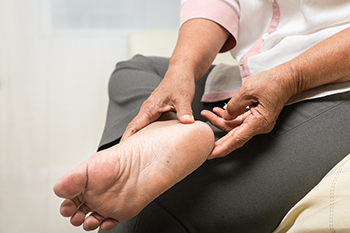
As you age, your feet undergo changes that require extra care and attention. To maintain healthy feet in your senior years, effective strategies can be implemented. Regularly inspecting your feet for cuts, sores, or signs of infection, and promptly addressing any issues helps to prevent complications. Keep your feet clean and dry to prevent fungal infections, especially between the toes. Moisturize your skin, and avoid applying lotion between the toes, as excessive moisture can lead to fungal growth. Trim your toenails carefully to prevent ingrown nails or infections. Choose footwear that is comfortable and supportive, with ample room for your toes and cushioned soles. Orthotic insoles can provide additional support and alleviate discomfort. Lastly, engage in gentle foot exercises to maintain flexibility and circulation, such as ankle rolls and toe stretches. By adopting these practices, you can ensure your senior feet remain comfortable and healthy for years to come. It is suggested that you contact a podiatrist if you are interested in learning about additional senior foot care tips.
Proper foot care is something many older adults forget to consider. If you have any concerns about your feet and ankles, contact Roy Rothman, DPM from Florida. Our doctor can provide the care you need to keep you pain-free and on your feet.
The Elderly and Their Feet
As we age we start to notice many changes in our body, but the elder population may not notice them right away. Medical conditions may prevent the elderly to take notice of their foot health right away. Poor vision is a lead contributor to not taking action for the elderly.
Common Conditions
Susceptible Infections
Diabetes and poor circulation can cause general loss of sensitivity over the years, turning a simple cut into a serious issue.
If you have any questions, please feel free to contact our office located in DeBary, FL . We offer the newest diagnostic and treatment technologies for all your foot care needs.
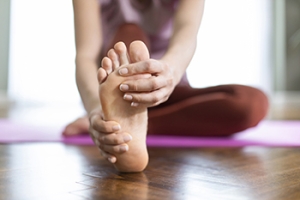
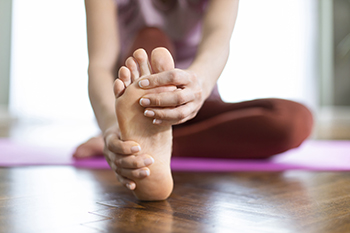
Toe pain can result from various causes, often associated with factors such as excessive exercise or wearing ill-fitting shoes. Identifying the source of your discomfort can be aided by recognizing specific symptoms. Some potential causes of toe pain can include an ingrown toenail, a bunion, Raynaud’s, or Chilblains. A broken toe or gout can also result in an ingrown toenail which can happen from the toenail curving into the skin of the toe. A bunion is a hard, bony lump near the big toe. Raynaud’s or Chilblains refers to pain, tingling, and numbness experienced in the toes, particularly when they are exposed to cold or stress, possibly leading to changes in color. A broken toe creates swelling, redness, and bruising of the affected toe making it painful to walk. Gout typically affects the big toe joint with a sudden onset of pain, stiffness, and red or hot swollen skin around the toe joint. If you have toe pain and are uncertain about its cause, it is suggested that you make an appointment with a podiatrist for a proper diagnosis and treatment.
Toe pain can disrupt your daily activities. If you have any concerns, contact Roy Rothman, DPM of Florida. Our doctor can provide the care you need to keep you pain-free and on your feet.
What Causes Toe Pain?
Most severe toe pain is caused due to a sports injury, trauma from dropping something heavy on the toe, or bumping into something rigid. Other problems can develop over time for various reasons.
Toe pain can be caused by one or more ailments. The most common include:
When to See a Podiatrist
Diagnosis
In many cases the cause of toe pain is obvious, but in others, a podiatrist may want to use more advanced methods to determine the problem. These can range from simple visual inspections and sensation tests to X-rays and MRI scans. Prior medical history, family medical history, and any recent physical traumatic events will all be taken into consideration for a proper diagnosis.
Treatment
Treatments for toe pain and injuries vary and may include shoe inserts, padding, taping, medicines, injections, and in some cases, surgery. If you believe that you have broken a toe, please see a podiatrist as soon as possible.
If you have any questions please contact our office located in DeBary, FL . We offer the newest diagnostic and treatment technologies for all your foot and ankle needs.
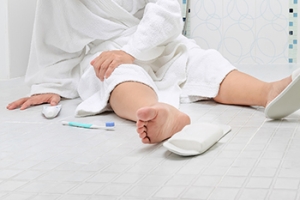
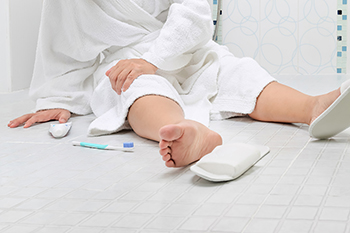
Accidents can happen anywhere, but our homes should be a sanctuary of safety. One common but preventable mishap is falling within the household. These accidents can result in injuries ranging from minor scrapes to foot injuries, making fall prevention a top priority. This can begin with ensuring your home is well lit, especially in high traffic areas and staircases. Removing clutter and hazards from walkways, such as loose rugs or cords, and securing them to the floor or wall are effective fall prevention techniques. Installing handrails on stairs and grab bars in bathrooms is useful for added support. Consider using non-slip mats in the shower and bathtub. Regularly inspect and maintain your flooring to prevent tripping over loose tiles or damaged areas. Wear appropriate footwear with good grip, and be cautious on wet or slippery surfaces. Additionally, it is beneficial to stay active and that can help to maintain strength and balance, reducing the risk of falls. Taking these precautions can transform your home into a safe haven, where the threat of falling is minimized. If you would like more information about how falling can affect the feet in addition to learning about successful prevention methods, it is suggested that you confer with a podiatrist.
Preventing falls among the elderly is very important. If you are older and have fallen or fear that you are prone to falling, consult with Roy Rothman, DPM from Florida. Our doctor will assess your condition and provide you with quality advice and care.
Every 11 seconds, an elderly American is being treated in an emergency room for a fall related injury. Falls are the leading cause of head and hip injuries for those 65 and older. Due to decreases in strength, balance, senses, and lack of awareness, elderly persons are very susceptible to falling. Thankfully, there are a number of things older persons can do to prevent falls.
How to Prevent Falls
Some effective methods that older persons can do to prevent falls include:
Falling can be a traumatic and embarrassing experience for elderly persons; this can make them less willing to leave the house, and less willing to talk to someone about their fears of falling. Doing such things, however, will increase the likelihood of tripping or losing one’s balance. Knowing the causes of falling and how to prevent them is the best way to mitigate the risk of serious injury.
If you have any questions, please feel free to contact our office located in DeBary, FL . We offer the newest diagnostic and treatment technologies for all your foot care needs.


 Follow Us