
Roy A. Rothman, DPM, PA
Podiatric Medicine and SurgeonFoot & Ankle Specialist


Diabetic foot ulcers, or DFUs, are open sores that often develop in the ball of the foot, heel, or tips of the toes. Diabetic foot ulcers result from nerve damage and poor circulation caused by prolonged high blood sugar levels, which impair sensation and slow healing. Without proper care, DFUs can lead to serious infections, gangrene, or limb loss. The Wagner classification system is commonly used to assess the severity of DFUs. It includes six grades: Grade 0 indicates no open lesions but a high-risk foot. Grade 1 refers to superficial ulcers. Grade 2 involves deeper ulcers that extend to ligaments or muscles. Grade 3 signifies ulcers with bone involvement or abscess. Grade 4 describes localized gangrene of the forefoot. Grade 5 represents extensive gangrene of the entire foot. These stages help a podiatrist determine the best course of treatment, including wound care and infection management, to prevent further complications. If you have developed a foot ulcer related to diabetes, it is suggested that you make an appointment with a podiatrist for regular exams and necessary treatment.
Diabetic foot care is important in preventing foot ailments such as ulcers. If you are suffering from diabetes or have any other concerns about your feet, contact Roy Rothman, DPM from Florida. Our doctor can provide the care you need to keep you pain-free and on your feet.
Diabetic Foot Care
Diabetes affects millions of people every year. The condition can damage blood vessels in many parts of the body, especially the feet. Because of this, taking care of your feet is essential if you have diabetes, and having a podiatrist help monitor your foot health is highly recommended.
The Importance of Caring for Your Feet
Patients with diabetes should have their doctor monitor their blood levels, as blood sugar levels play such a huge role in diabetic care. Monitoring these levels on a regular basis is highly advised.
It is always best to inform your healthcare professional of any concerns you may have regarding your feet, especially for diabetic patients. Early treatment and routine foot examinations are keys to maintaining proper health, especially because severe complications can arise if proper treatment is not applied.
If you have any questions, please feel free to contact our office located in DeBary, FL . We offer the newest diagnostic and treatment technologies for all your foot care needs.


Painful deformities, such as hammertoes, can be treated. Stop living with foot pain, and have beautiful feet again!


Blisters on the feet are small, fluid-filled pockets that form between the layers of skin, typically caused by friction, pressure, or burns. Symptoms include pain, redness, swelling, and the appearance of a raised bubble on the skin. Blisters often occur from wearing tight shoes, ill-fitting socks, or prolonged walking or running. The most common causes are friction from new shoes or repetitive motion, such as running or hiking. Blisters can also result from hot weather, causing sweaty feet, or from burns or allergic reactions. Treatment usually involves protecting the blister with a bandage or blister pad, keeping it clean and dry, and avoiding further friction. In some cases, a podiatrist may drain the blister in a sterile environment to prevent infection or offer advice on better footwear. If blisters are recurrent or cause significant pain, a podiatrist can recommend customized solutions to prevent them. For this reason, if you have developed a foot blister, it is suggested that you schedule an appointment with a podiatrist.
Blisters are prone to making everyday activities extremely uncomfortable. If your feet are hurting, contact Roy Rothman, DPM of Florida. Our doctor can provide the care you need to keep you pain-free and on your feet.
Foot Blisters
Foot blisters develop as a result of constantly wearing tight or ill-fitting footwear. This happens due to the constant rubbing from the shoe, which can often lead to pain.
What Are Foot Blisters?
A foot blister is a small fluid-filled pocket that forms on the upper-most layer of the skin. Blisters are filled with clear fluid and can lead to blood drainage or pus if the area becomes infected.
How Do Blisters Form?
Blisters on the feet are often the result of constant friction of skin and material, usually by shoe rubbing. Walking in sandals, boots, or shoes that don’t fit properly for long periods of time can result in a blister. Having consistent foot moisture and humidity can easily lead to blister formation.
Prevention & Treatment
It is important to properly care for the affected area in order to prevent infection and ease the pain. Do not lance the blister and use a Band-Aid to provide pain relief. Also, be sure to keep your feet dry and wear proper fitting shoes. If you see blood or pus in a blister, seek assistance from a podiatrist.
If you have any questions, please feel free to contact our office located in DeBary, FL . We offer the newest diagnostic and treatment technologies for all your foot care needs.


Gout is a form of arthritis that causes sudden and severe pain, often affecting the joints, particularly the big toe joint. The condition occurs when excess uric acid builds up in the body, forming crystals in the joints. The most common sign of gout is intense pain, typically starting in the middle of the night, along with swelling and redness in the affected area. The joint may become warm to the touch and feel tender, making movement difficult. In some cases, gout attacks can recur, leading to joint damage over time. Elevated uric acid levels in the blood can result from factors such as diet, dehydration, obesity, or kidney problems. Excessive consumption of purine-rich foods like red meat, seafood, or alcohol can trigger or worsen gout attacks. If you have had one or more gout attacks, it is suggested that you are under the care of a podiatrist who can offer you effective relief and management tips.
Gout is a painful condition that can be treated. If you are seeking treatment, contact Roy Rothman, DPM from Florida. Our doctor will treat your foot and ankle needs.
What Is Gout?
Gout is a form of arthritis that is characterized by sudden, severe attacks of pain, redness, and tenderness in the joints. The condition usually affects the joint at the base of the big toe. A gout attack can occur at any random time, such as the middle of the night while you are asleep.
Symptoms
Risk Factors
Prior to visiting your podiatrist to receive treatment for gout, there are a few things you should do beforehand. If you have gout you should write down your symptoms--including when they started and how often you experience them, important medical information you may have, and any questions you may have. Writing down these three things will help your podiatrist in assessing your specific situation so that he or she may provide the best route of treatment for you.
If you have any questions, please feel free to contact our office located in DeBary, FL . We offer the newest diagnostic and treatment technologies for all your foot care needs.
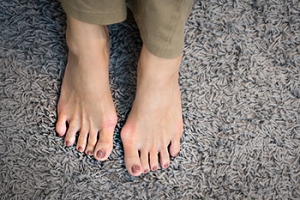

Hallux valgus, more commonly known as a bunion, is a deformity that causes a bony bump to form at the base of the big toe. This bump pushes the toe inward, causing it to lean toward the other toes. As the condition progresses, it can lead to pain, swelling, redness, and difficulty finding comfortable shoes. In some cases, the big toe may shift out of alignment, which can result in additional issues like hammertoes. Bunions are often caused by an inherited foot structure, wearing tight or high-heeled shoes, and repetitive stress on the feet. Conditions like flat feet or arthritis can also contribute to the development of hallux valgus. A podiatrist can help manage bunions by offering conservative treatments such as custom orthotics, shoe modifications, and padding to alleviate pressure. In more severe cases, surgery may be recommended to correct the deformity and relieve pain. If you have this condition, it is suggested that you schedule an appointment with a podiatrist.
If you are suffering from bunions, contact Roy Rothman, DPM of Florida. Our doctor can provide the care you need to keep you pain-free and on your feet.
What Is a Bunion?
A bunion is formed of swollen tissue or an enlargement of boney growth, usually located at the base joint of the toe that connects to the foot. The swelling occurs due to the bones in the big toe shifting inward, which impacts the other toes of the foot. This causes the area around the base of the big toe to become inflamed and painful.
Why Do Bunions Form?
Genetics – Susceptibility to bunions are often hereditary
Stress on the feet – Poorly fitted and uncomfortable footwear that places stress on feet, such as heels, can worsen existing bunions
How Are Bunions Diagnosed?
Podiatrists often perform two tests – blood tests and x-rays – when trying to diagnose bunions, especially in the early stages of development. Blood tests help determine if the foot pain is being caused by something else, such as arthritis, while x-rays provide a clear picture of your bone structure to your provider.
How Are Bunions Treated?
If you have any questions, please feel free to contact our office located in DeBary, FL . We offer the newest diagnostic and treatment technologies for all your foot care needs.


 Follow Us