
Roy A. Rothman, DPM, PA
Podiatric Medicine and SurgeonFoot & Ankle Specialist
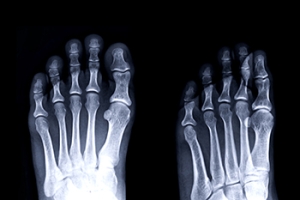
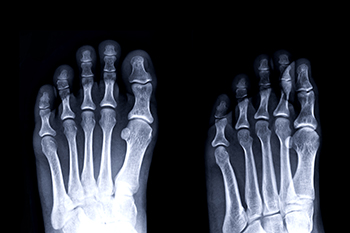
Understanding the biomechanics of the human foot can be exceedingly helpful to individuals seeking to improve their ability to care for their feet. One important biomechanical concept to understand about the feet is how the forefoot functions. The forefoot is described as encompassing the ligaments, muscles, and metatarsal bones located at the front part of the foot. Also within the forefoot are the phalanges, also known as toe bones. There are many other important bones and entities that make up the forefoot and serve important functions. For example, the sesamoid bones located underneath the base of the big toe joint are also found within the forefoot. Certain afflictions of the foot can have a particular impact on the forefoot. Namely, sesamoiditis, toe pain, hammertoe, and claw toe all primarily affect the area. For more information about the forefoot, contact a podiatrist today.
If you have any concerns about your feet, contact Roy Rothman, DPM from Florida. Our doctor can provide the care you need to keep you pain-free and on your feet.
Biomechanics in Podiatry
Podiatric biomechanics is a particular sector of specialty podiatry with licensed practitioners who are trained to diagnose and treat conditions affecting the foot, ankle and lower leg. Biomechanics deals with the forces that act against the body, causing an interference with the biological structures. It focuses on the movement of the ankle, the foot and the forces that interact with them.
A History of Biomechanics
Modern technological improvements are based on past theories and therapeutic processes that provide a better understanding of podiatric concepts for biomechanics. Computers can provide accurate information about the forces and patterns of the feet and lower legs.
Understanding biomechanics of the feet can help improve and eliminate pain, stopping further stress to the foot.
If you have any questions please feel free to contact our office located in DeBary, FL . We offer the newest diagnostic and treatment technologies for all your foot and ankle needs.

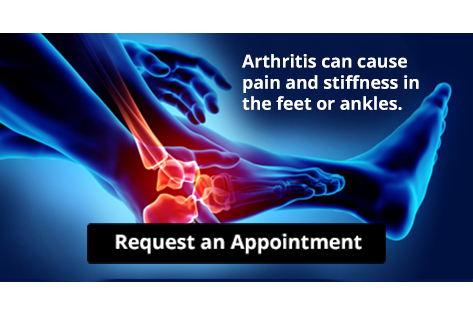
If you are suffering from tenderness, pain, or stiffness in the joints of your feet or ankles, call us to schedule an appointment.
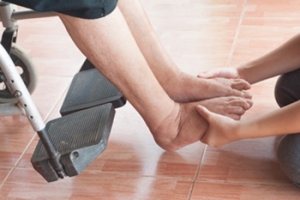
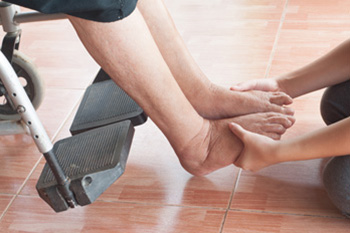
It is critically important that seniors take the necessary steps to keep their feet healthy and strong. Often, seniors do not engage in the activity necessary to keep the muscles in their feet strong. As a result, they might be making themselves more vulnerable to suffering foot injuries or enduring a fall from weak feet. To strengthen the feet, senior citizens might consider performing certain foot exercises to improve strength and stability. For example, a senior might massage the feet with a tennis ball and perform ankle circles. As part of a daily foot exercise routine, a senior might also consider performing different toe, foot and ankle stretches. If you are a senior citizen looking to improve strength in the feet, contact a podiatrist today.
Proper foot care is something many older adults forget to consider. If you have any concerns about your feet and ankles, contact Roy Rothman, DPM from Florida. Our doctor can provide the care you need to keep you pain-free and on your feet.
The Elderly and Their Feet
As we age we start to notice many changes in our body, but the elder population may not notice them right away. Medical conditions may prevent the elderly to take notice of their foot health right away. Poor vision is a lead contributor to not taking action for the elderly.
Common Conditions
Susceptible Infections
Diabetes and poor circulation can cause general loss of sensitivity over the years, turning a simple cut into a serious issue.
If you have any questions please feel free to contact our office located in DeBary, FL . We offer the newest diagnostic and treatment technologies for all your foot and ankle needs.

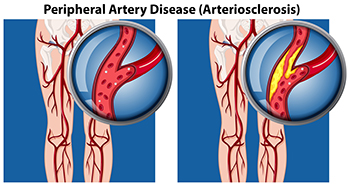
Damage that happens to the peripheral nervous system may be referred to as peripheral neuropathy. This can lead to peripheral artery disease, and the abbreviation for this is PAD. There are various groups of nerves that can be affected by this condition. These are the motor nerves and are used for walking and talking. When information is transmitted from the brain to the body that consists of temperature or slight pain, it falls into the sensory nerve category. Activities that happen naturally such as breathing, and digesting foods are part of the autonomic nerves. Damage can occur to these nerve groups as a result of diabetes, vascular problems, or autoimmune diseases. Additionally, kidney and liver disorders may contribute to developing PAD. Common symptoms can include the inability to feel sensations in the feet, and walking may become difficult. If you have diabetes and have a loss of feeling in your feet, it is strongly urged that you are under the care of a podiatrist who can effectively treat PAD.
Peripheral artery disease can pose a serious risk to your health. It can increase the risk of stroke and heart attack. If you have symptoms of peripheral artery disease, consult with Roy Rothman, DPM from Florida. Our doctor will assess your condition and provide you with quality foot and ankle treatment.
Peripheral artery disease (PAD) is when arteries are constricted due to plaque (fatty deposits) build-up. This results in less blood flow to the legs and other extremities. The main cause of PAD is atherosclerosis, in which plaque builds up in the arteries.
Symptoms
Symptoms of PAD include:
It is important to note that a majority of individuals never show any symptoms of PAD.
Diagnosis
While PAD occurs in the legs and arteries, Podiatrists can diagnose PAD. Podiatrists utilize a test called an ankle-brachial index (ABI). An ABI test compares blood pressure in your arm to you ankle to see if any abnormality occurs. Ultrasound and imaging devices may also be used.
Treatment
Fortunately, lifestyle changes such as maintaining a healthy diet, exercising, managing cholesterol and blood sugar levels, and quitting smoking, can all treat PAD. Medications that prevent clots from occurring can be prescribed. Finally, in some cases, surgery may be recommended.
If you have any questions, please feel free to contact our office located in DeBary, FL . We offer the newest diagnostic and treatment technologies for all your foot care needs.
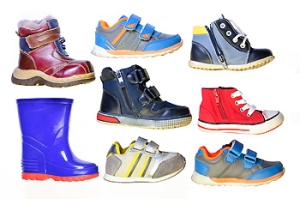
Many parents look forward to purchasing their baby's first pair of shoes. Prior to this enjoyable time, many parents have their babies crawl and walk barefoot, which is helpful in strengthening the entire foot. When it is time for your child to walk outside, they may like the sensation of feeling different surfaces on their feet, such as grass and sand. For rougher surfaces or inclement weather, shoes will need to be worn. Research has shown it is best for the first shoes to have non-slip soles and to be made with flexible materials. The fit should be perfect when the shoes are first tried on, and a break-in period is not needed. Many babies like to pull their shoes off, and there are various ways to avoid that. Firstly, it is important to make sure they fit correctly and are not too tight. Secondly, they may try to pull them off because they don’t like them, and parents need to make sure as best as they can that this is avoided. This may have to be done by testing various styles and colors before purchasing the shoes. If you have questions about what type of shoes to buy for your children, please confer with a podiatrist who can help you with any concerns you may have.
The health of a child’s feet is vital to their overall well-being. If you have any questions regarding foot health, contact Roy Rothman, DPM of Florida. Our doctor can provide the care you need to keep you pain-free and on your feet.
Tips for Keeping Children's Feet Healthy
If you have any questions, please feel free to contact our office located in DeBary, FL . We offer the newest diagnostic and treatment technologies for all your foot care needs.

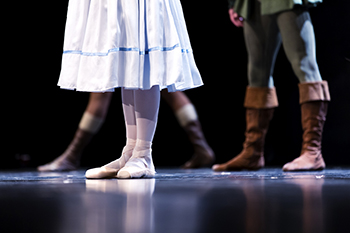
Human feet are complex. Of the 208 bones in the body, 52 of them are in the feet. Feet also provide major service to the body with support, balance, and propulsion. It is necessary for dancers to properly take care of their feet because they depend on the complexity of their feet to dance. They must do what they can to prevent and treat minor injuries and take good care of their feet as a way of life to keep moving. Things they can do include cutting their toenails short and straight across, not wearing colored nail polish so they can see problems brewing under their toenails, keeping calluses trimmed, wearing tights with ballet shoes to help prevent corns from developing, and taking care of foot problems as they arise. If you are a dancer, or if your child is starting to dance, and you would like to learn more about taking care of a dancer’s feet, consult with a podiatrist.
Ankle and foot injuries are common among athletes and in many sports. They can be caused by several problems and may be potentially serious. If you are feeling pain or think you were injured in a sporting event or when exercising, consult with Roy Rothman, DPM from Florida. Our doctor will assess your condition and provide you with quality foot and ankle treatment.
Common Injuries
The most common injuries that occur in sporting activities include:
Symptoms
Symptoms vary depending upon the injury and in some cases, there may be no symptoms at all. However, in most cases, some form of symptom is experienced. Pain, aching, burning, bruising, tenderness, tightness or stiffness, sensation loss, difficulty moving, and swelling are the most common symptoms.
Treatment
Just as symptoms vary depending upon the injury, so do treatment options. A common treatment method is known as the RICE method. This method involves rest, applying ice, compression and elevating the afflicted foot or ankle. If the injury appears to be more serious, surgery might be required, such as arthroscopic or reconstructive surgery. Lastly, rehabilitation or therapy might be needed to gain full functionality in the afflicted area. Any discomfort experienced by an athlete must be evaluated by a licensed, reputable medical professional.
If you have any questions please contact our office located in DeBary, FL . We offer the newest diagnostic and treatment technologies for all your foot and ankle needs.


 Follow Us