
Roy A. Rothman, DPM, PA
Podiatric Medicine and SurgeonFoot & Ankle Specialist
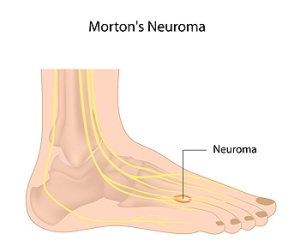
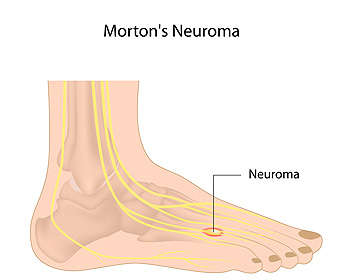
A burning pain in the ball of the foot and the feeling of having a small pebble under your foot are signs that you may have Morton’s neuroma. This condition involves a thickening of the tissue across the metatarsal nerves, causing pressure and pain. It is generally felt in the space between the third and fourth toes, and may be connected to the type of shoes that are worn. High heels with pointed toes and shoes that are too tight can cause pressure on the metatarsal joints by pushing the weight onto the ball of the foot. Certain foot deformities, such as hammertoes or bunions, can cause the weight of the body to shift onto the ball of the foot. High impact sporting activities, such as tennis and running, can place increased stress in the area. Additionally, rock climbers and snow skiers may develop Morton’s neuroma, as a result of a combination of wearing tight shoes that can exert pressure on the toes. For a diagnosis and treatment options, it is suggested that you make an appointment with a podiatrist.
Morton’s neuroma is a very uncomfortable condition to live with. If you think you have Morton’s neuroma, contact Roy Rothman, DPM of Florida. Our doctor will attend to all of your foot care needs and answer any of your related questions.
Morton’s Neuroma
Morton's neuroma is a painful foot condition that commonly affects the areas between the second and third or third and fourth toe, although other areas of the foot are also susceptible. Morton’s neuroma is caused by an inflamed nerve in the foot that is being squeezed and aggravated by surrounding bones.
What Increases the Chances of Having Morton’s Neuroma?
Morton’s neuroma is a very treatable condition. Orthotics and shoe inserts can often be used to alleviate the pain on the forefront of the feet. In more severe cases, corticosteroids can also be prescribed. In order to figure out the best treatment for your neuroma, it’s recommended to seek the care of a podiatrist who can diagnose your condition and provide different treatment options.
If you have any questions, please feel free to contact our office located in DeBary, FL . We offer the newest diagnostic and treatment technologies for all your foot care needs.


Have your child's feet been examined lately? Healthy feet are happy feet. If your child is complaining of foot pain, it may be a sign of underlying problems.
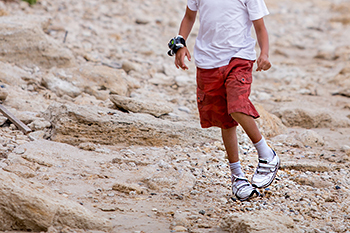
Clubfoot is a common congenital foot deformity. It develops during pregnancy and can be a result of a short Achilles tendon causing the foot to turn inward. Treatment is often started immediately after birth. There are three classifications of clubfoot. If the cause is unknown, it can be categorized as idiopathic. An underlying syndrome can be called syndromic clubfoot and a nervous system condition leading to clubfoot is called neurogenic. The chances of being born with clubfoot may increase in babies whose mothers smoke or if a parent or sibling has this condition. An effective treatment method is known as Ponseti serial casting and bracing. This begins with stretching the foot and keeping it stable by using a cast. Approximately every ten days, the cast is changed and a procedure is performed during the fourth or fifth visit that can lengthen the Achilles tendon. Casting can correct the deformity, followed by using braces to maintain the correction. If your child is born with clubfoot, it is strongly suggested that you consult a podiatrist who can begin the correct treatment to help with permanent success.
Congenital foot problems require immediate attention to avoid future complications. If you have any concerns, contact Roy Rothman, DPM of Florida. Our doctor can provide the care you need to keep you pain-free and on your feet.
Congenital foot problems are deformities affecting the feet, toes, and/or ankles that children are born with. Some of these conditions have a genetic cause while others just happen. Some specific foot ailments that children may be born with include clubfeet, polydactyly/macrodactyly, and cleft foot. There are several other foot anomalies that can occur congenitally. What all of these conditions have in common is that a child may experience difficulty walking or performing everyday activities, as well as trouble finding footwear that fits their foot deformity. Some of these conditions are more serious than others. Consulting with a podiatrist as early as possible will help in properly diagnosing a child’s foot condition while getting the necessary treatment underway.
What are Causes of Congenital Foot Problem?
A congenital foot problem is one that happens to a child at birth. These conditions can be caused by a genetic predisposition, developmental or positional abnormalities during gestation, or with no known cause.
What are Symptoms of Congenital Foot Problems?
Symptoms vary by the congenital condition. Symptoms may consist of the following:
Treatment and Prevention
While there is nothing one can do to prevent congenital foot problems, raising awareness and receiving neonatal screenings are important. Early detection by taking your child to a podiatrist leads to the best outcome possible.
If you have any questions, please feel free to contact our office located in DeBary, FL . We offer the newest diagnostic and treatment technologies for all your foot care needs.


Pain in the ball of the foot, termed metatarsalgia, can have many causes. One of the most common causes is a condition called Morton’s neuroma. This ailment is the result of a pinched nerve and is most often felt between the third and fourth toes. Symptoms include sharp pain, numbness, burning, and tingling. Bunions are another common cause of metatarsalgia. The bony bump at the base of the big toe can become painful, and the changes in gait and posture that result often bring pain to the ball of the foot. Wearing high heels, especially those with a narrow and pointed toe box, is a further cause of pain in the ball of the foot. This type of shoe places the body’s weight onto the ball of the foot and exerts pressure on the metatarsals, as well as the joints between the toes and the foot. Being overweight also puts a person at higher risk of metatarsalgia. For help with any of these symptoms, it is suggested that you make an appointment with a podiatrist for treatment options.
Foot Pain
Foot pain can be extremely painful and debilitating. If you have a foot pain, consult with Roy Rothman, DPM from Florida. Our doctor will assess your condition and provide you with quality foot and ankle treatment.
Causes
Foot pain is a very broad condition that could be caused by one or more ailments. The most common include:
Diagnosis
To figure out the cause of foot pain, podiatrists utilize several different methods. This can range from simple visual inspections and sensation tests to X-rays and MRI scans. Prior medical history, family medical history, and any recent physical traumatic events will all be taken into consideration for a proper diagnosis.
Treatment
Treatment depends upon the cause of the foot pain. Whether it is resting, staying off the foot, or having surgery; podiatrists have a number of treatment options available for foot pain.
If you have any questions, please feel free to contact our office located in DeBary, FL . We offer the newest diagnostic and treatment technologies for all your foot care needs.
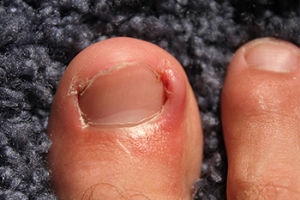
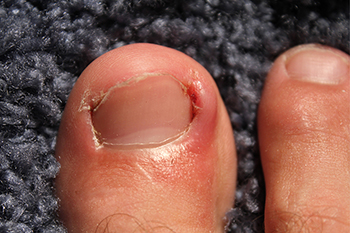
It is important to take care of wounds on the feet immediately. These can come from a variety of sources, including ingrown toenails. This is a condition that develops when the toenail grows into the skin surrounding it instead of over it. The big toe is most likely to be impacted by this ailment. Everyone is at risk of developing ingrown toenails, particularly teens who often have sweaty feet from sports participation. It may also affect elderly people whose nails thicken as time passes. Ingrown toenails can occur from cutting toenails improperly, or if they have an irregular shape or are curved. Additionally, wearing shoes or socks that compress the toes can lead to getting an ingrown toenail. This problem can cause pain and swelling. Complications, namely infections from ingrown toenails, are most apt to happen to those with diabetes or conditions involving poor circulation. An infection from an ingrown toenail might present as red, bleeding, oozing pus, and an overgrowth of skin around the toe. Left untreated, this type of infection can impact the bone in the toe and lead to foot ulcers or open sores. If you have an ingrown toenail that is becoming worse or possibly infected, it is suggested that you see a podiatrist as soon as possible who can provide a proper diagnosis and treatment.
Wound care is an important part in dealing with diabetes. If you have diabetes and a foot wound or would like more information about wound care for diabetics, consult with Roy Rothman, DPM from Florida. Our doctor will assess your condition and provide you with quality foot and ankle treatment.
What Is Wound Care?
Wound care is the practice of taking proper care of a wound. This can range from the smallest to the largest of wounds. While everyone can benefit from proper wound care, it is much more important for diabetics. Diabetics often suffer from poor blood circulation which causes wounds to heal much slower than they would in a non-diabetic.
What Is the Importance of Wound Care?
While it may not seem apparent with small ulcers on the foot, for diabetics, any size ulcer can become infected. Diabetics often also suffer from neuropathy, or nerve loss. This means they might not even feel when they have an ulcer on their foot. If the wound becomes severely infected, amputation may be necessary. Therefore, it is of the upmost importance to properly care for any and all foot wounds.
How to Care for Wounds
The best way to care for foot wounds is to prevent them. For diabetics, this means daily inspections of the feet for any signs of abnormalities or ulcers. It is also recommended to see a podiatrist several times a year for a foot inspection. If you do have an ulcer, run the wound under water to clear dirt from the wound; then apply antibiotic ointment to the wound and cover with a bandage. Bandages should be changed daily and keeping pressure off the wound is smart. It is advised to see a podiatrist, who can keep an eye on it.
If you have any questions please contact our office located in DeBary, FL . We offer the newest diagnostic and treatment technologies for all your foot and ankle needs.


 Follow Us