
Roy A. Rothman, DPM, PA
Podiatric Medicine and SurgeonFoot & Ankle Specialist
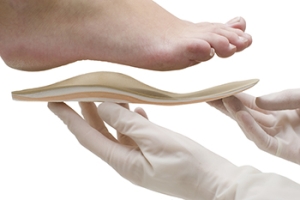
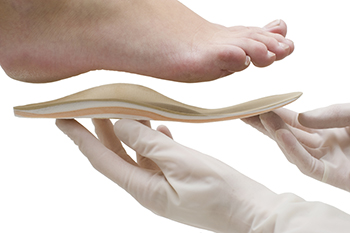
Orthotics are defined as insoles that go into the shoes. They are also known as orthoses and can help to improve foot structure. There are specific foot deformities that may benefit from wearing orthotics. These include flat feet, arch conditions, such as plantar fasciitis, and certain types of arthritis. There are three categories of orthotics, including rigid, soft, and semi-rigid. Foot function is typically controlled by wearing rigid orthotics, and they may help to eliminate existing foot pain. They generally fit snugly to correct any abnormalities. Shock and pressure can be reduced when soft orthotics are worn, and walking may be more comfortable. The orthotics that are known as semi-rigid are often worn by athletes, and they can provide the support that is necessary as their chosen sport is practiced. If you would like to know more information about orthotics, their different forms, and if you are a candidate, please schedule an appointment with a podiatrist who can answer any questions you may have. Podiatrists can also guide you in the direction that is right for you.
If you are having discomfort in your feet and would like to try orthotics, contact Roy Rothman, DPM from Florida. Our doctor can provide the care you need to keep you pain-free and on your feet.
What Are Orthotics?
Orthotics are inserts you can place into your shoes to help with a variety of foot problems such as flat feet or foot pain. Orthotics provide relief and comfort for minor foot and heel pain but can’t correct serious biomechanical problems in your feet.
Over-the-Counter Inserts
Orthotics come in a wide variety of over-the-counter inserts that are used to treat foot pain, heel pain, and minor problems. For example, arch supports can be inserted into your shoes to help correct overarched or flat feet, while gel insoles are often used because they provide comfort and relief from foot and heel pain by alleviating pressure.
Prescription Orthotics
If over-the-counter inserts don’t work for you or if you have a more severe foot concern, it is possible to have your podiatrist prescribe custom orthotics. These high-quality inserts are designed to treat problems such as abnormal motion, plantar fasciitis, and severe forms of heel pain. They can even be used to help patients suffering from diabetes by treating foot ulcers and painful calluses and are usually molded to your feet individually, which allows them to provide full support and comfort.
If you are experiencing minor to severe foot or heel pain, it’s recommended to speak with your podiatrist about the possibilities of using orthotics. A podiatrist can determine which type of orthotic is right for you and allow you to take the first steps towards being pain-free.
If you have any questions, please feel free to contact our office located in DeBary, FL . We offer the newest diagnostic and treatment technologies for all your foot care needs.


If left untreated, an ingrown toenail can lead to more serious concerns, such as an infection. Knowing proper nail care can help in the prevention of an ingrown toenail. Give us a call, and get treated!


Individuals who struggle with obesity are sometimes more susceptible to experiencing problematic foot conditions. For example, some obese individuals are more likely to develop flat feet because their higher body weight makes them exert more pressure on their feet when standing. Therefore, if you suffer from obesity, it might be a good idea to take extra care of the health of your feet. Obese individuals ought to be particularly mindful of ankle sprains because not only does obesity increase your risk of spraining the ankle, it also might make recovery from such an injury more difficult and prolonged. Ankle sprains occur when the foot turns awkwardly and tears or strains the ligaments surrounding the ankle. Obesity also heightens your risk of developing a sprained ankle because the extra body weight increases your instability and reduces balance control, among other things. When recovering from an ankle sprain, obese individuals are also particularly vulnerable. The joints affected by an ankle sprain may take a longer time to heal post-injury in obese individuals because of the detrimental effects obesity has on ankle joint function. Therefore, if you are obese and are trying to recover from an ankle sprain, you might need extra help in managing your symptoms to heal the injury. Contact a podiatrist for any questions you might have about how obesity affects ankle sprains.
Obesity has become very problematic at this point in time and can have extremely negative effects on the feet. If you’re an obese individual and are concerned about your feet, contact Roy Rothman, DPM from Florida. Our doctor can provide the care you need to keep you pain-free and on your feet.
Obesity and Your Feet
Since your feet are what support your entire weight when standing, any additional weight can result in pain and swelling. Being overweight is one of the main contributors to foot complications.
Problems & Complications
Extra Weight – Even putting on just a few extra pounds could create serious complications for your feet. As your weight increases, your balance and body will shift, creating new stresses on your feet. This uneven weight distribution can cause pain, even while doing the simplest tasks, such as walking.
Diabetes – People who are overweight are at serious risk of developing type-2 diabetes, which has a drastic impact on the health of your feet. As you get older, your diabetes might worsen, which could lead to loss of feeling in your feet, sores, and bruises. You could also become more prone to various infections.
Plantar fasciitis – Pressure and stress that is placed on muscles, joints, and tendons can trigger plantar fasciitis, which is an inflammation of tissue that forms along the bottom of the foot.
If you have any questions, please feel free to contact our office located in DeBary, FL . We offer the newest diagnostic and treatment technologies for all your foot care needs.


Plantar fasciitis affects individuals across the country, causing them heel and foot pain. Basketball players, both professional and recreational, are no exception. There are many important ways in which playing basketball can put an individual at risk of developing a condition like plantar fasciitis. Plantar fasciitis occurs when the plantar fascia, the band of tissue running from the heel to the base of the toes, becomes inflamed in response to repeated pressure on the arch of the foot. Individuals with this condition might feel sharp, stabbing pains when beginning to put weight on their feet after prolonged periods of rest. What puts some basketball players at risk is the unique physical demands of the sport. Namely, throughout a game, a basketball player must constantly accelerate and decelerate rapidly. This can cause strain on the feet. Basketball players must also frequently jump to high heights, landing on hard floor surfaces. Basketball also requires a large amount of running, as players can run up and down the court a minimum of 50 times during one game. These game-specific demands on an athlete can ultimately cause them to exert a great degree of pressure on their feet, which might lead to plantar fasciitis. If you are a basketball player, consider contacting a podiatrist to learn more about this condition.
Plantar fasciitis can be very painful and inconvenient. If you are experiencing heel pain or symptoms of plantar fasciitis, contact Roy Rothman, DPM from Florida. Our doctor can provide the care you need to keep you pain-free and on your feet.
What Is Plantar Fasciitis?
Plantar fasciitis is the inflammation of the thick band of tissue that runs along the bottom of your foot, known as the plantar fascia, and causes mild to severe heel pain.
What Causes Plantar Fasciitis?
How Can It Be Treated?
While very treatable, plantar fasciitis is definitely not something that should be ignored. Especially in severe cases, speaking to your doctor right away is highly recommended to avoid complications and severe heel pain. Your podiatrist can work with you to provide the appropriate treatment options tailored to your condition.
If you have any questions, please feel free to contact our office located in DeBary, FL . We offer the newest diagnostic and treatment technologies for all your foot care needs.
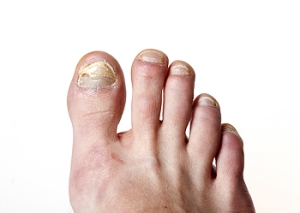
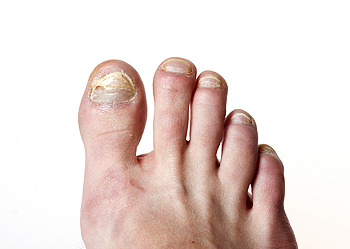
Onychomycosis is the medical term for toenail fungus. While different organisms may be responsible for the infection, dermatophytes are the most common culprits by far. Toenail fungus is a bothersome condition that causes the nails to become discolored, thickened, distorted, ragged, crumbly, brittle, and even smelly in certain cases. Older adults are more prone to contracting a toenail infection because as we age, our nails become more brittle. Brittle nails can crack, which can make it easier for the fungal organism to creep inside the nail and infect it. If you detect any of the symptoms mentioned here, it is advised to seek the care of a podiatrist. Toenail infections can be very difficult to treat at home, given that the organism can burrow deep into the multiple layers of the nail or underneath the nail, making it difficult to target and kill effectively and permanently. Also, home treatment may be risky for people with weakened immune symptoms, diabetes, or circulatory issues.
If left untreated, toenail fungus may spread to other toenails, skin, or even fingernails. If you suspect you have toenail fungus it is important to seek treatment right away. For more information about treatment, contact Roy Rothman, DPM of Florida. Our doctor can provide the care you need to keep you pain-free and on your feet.
Symptoms
Treatment
If self-care strategies and over-the-counter medications does not help your fungus, your podiatrist may give you a prescription drug instead. Even if you find relief from your toenail fungus symptoms, you may experience a repeat infection in the future.
Prevention
In order to prevent getting toenail fungus in the future, you should always make sure to wash your feet with soap and water. After washing, it is important to dry your feet thoroughly especially in between the toes. When trimming your toenails, be sure to trim straight across instead of in a rounded shape. It is crucial not to cover up discolored nails with nail polish because that will prevent your nail from being able to “breathe”.
In some cases, surgical procedure may be needed to remove the toenail fungus. Consult with your podiatrist about the best treatment options for your case of toenail fungus.
If you have any questions please contact our office located in DeBary, FL . We offer the newest diagnostic and treatment technologies for all your foot and ankle needs.


We often take our feet for granted until they start hurting. Given how much we depend on our feet to get us through life, they are too important to overlook. Feet have about 26 bones and a complex network of muscles, tendons, and ligaments. They absorb the full impact of our body weight with every step we take and keep us balanced, upright, and mobile. Virtually everyone experiences foot problems in their lifetime – from foot odor, cracked heels, fallen arches, corns, to ingrown toenails, and fractures. Some of these problems can be avoided by practicing a good daily foot care routine that will help keep the skin, bones, and muscles of the feet functioning well. If necessary, use arch support inserts in shoes to keep your feet in the proper position to support your weight when you walk and provide more cushioning to the shoe. Wash, dry, and moisturize your feet daily, so that moisture and sweat do not build up and cause bacteria to grow or skin problems to develop. Wear socks made of cotton or wool to protect your feet from wear and tear, and to absorb and wick away moisture. This can also provide extra shock absorption. Note that if you are an athlete, you might want to wear high performance socks when engaging in your sport that are made of synthetic materials and are better at protecting feet from moisture. If you would like more information about how to properly care for your feet, consult with a podiatrist who can answer questions, diagnose, and treat foot and ankle problems.
Everyday foot care is very important to prevent infection and other foot ailments. If you need your feet checked, contact Roy Rothman, DPM from Florida. Our doctor can provide the care you need to keep you pain-free and on your feet.
Everyday Foot Care
Often, people take care of their bodies, face and hair more so than they do for their feet. But the feet are a very important aspect of our bodies, and one that we should pay more attention to. Without our feet, we would not be able to perform most daily tasks.
It is best to check your feet regularly to make sure there are no new bruises or cuts that you may not have noticed before. For dry feet, moisturizer can easily be a remedy and can be applied as often as necessary to the affected areas. Wearing shoes that fit well can also help you maintain good foot health, as well as making it easier to walk and do daily activities without the stress or pain of ill-fitting shoes, high heels, or even flip flops. Wearing clean socks with closed shoes is important to ensure that sweat and bacteria do not accumulate within the shoe. Clean socks help to prevent Athlete’s foot, fungi problems, bad odors, and can absorb sweat.
If you have any questions, please feel free to contact our office located in DeBary, FL . We offer the newest diagnostic and treatment technologies for all your foot care needs.


 Follow Us