
Roy A. Rothman, DPM, PA
Podiatric Medicine and SurgeonFoot & Ankle Specialist

 If your job requires that you stand on your feet for prolonged periods of time, it is important to do all you can to stay energized and productive while keeping your feet, ankles and legs healthy. First, purchase a good pair of comfortable shoes with adequate sole and arch support that support the ligaments, tendons, and muscles in your feet and legs. Shoe inserts and over-the-counter orthotics can provide additional support, and custom orthotics can even correct alignment and posture issues. Compression hosiery can apply gentle pressure to your legs and feet and help to reduce discomfort, swelling and fluid build-up. You can also change positions while you stand, stretch your legs and feet frequently, use a footrest to shift weight between legs, stand on a rubberized floor mat, and be sure to take all scheduled breaks and elevate your feet if possible while doing so. Also, make an appointment with a podiatrist who can examine your feet and offer more detailed practical steps and interventions to keep your feet healthy on the job.
While working on the feet, it is important to take the proper care of them. For more information about working on your feet, contact Roy Rothman, DPM from Florida. Our doctor will treat your foot and ankle needs.
Working on Your Feet
Standing on your feet for long periods of time can cause stress and pain in your feet. Your whole body may experience change in terms of posture, back pain, bunions, callouses and or plantar warts. There are ways to avoid these conditions with proper foot care, smart choices and correct posture.
Positive Changes
Negative heeled shoe – Choosing this shoe type places the heel slightly lower than the ball of the foot. These are great for overall foot health. Find shoes that fit you correctly.
Go barefoot – Our feet were not designed to be enclosed for all hours of the day. Try to periodically expose your feet to air.
Eliminate Pain
Foot Exercises – Performing simple exercises, incorporating yoga and doing stretches are beneficial. This will allow increased blood flow to the area and muscles of the foot.
Achilles tendon – Stretching the foot out flat on the floor will relax the calf muscles and tendon. These exercises can be performed almost anywhere. Make sure you add these exercises to your daily regimen.
With a little bit of this information and knowing more about foot health, you will notice changes. Foot stretches and proper footwear will help with pain and prevent further issues.
If you have any questions please contact our office located in DeBary, FL . We offer the newest diagnostic and treatment technologies for all your foot and ankle needs.

 The tarsal tunnel is a small opening in the ankle that the posterior tibial nerve, which supplies sensation and movement to the foot, travels through. Tarsal tunnel syndrome occurs when the nerve is compressed and pressed on in this area, which can be painful and lead to a loss of sensation in the feet. This compression can be caused by a direct injury to the ankle, as well as other issues such as swelling, a cyst, or arthritis. Tarsal tunnel syndrome can feel like other foot and ankle injuries. If you are suspicious that you may be suffering from tarsal tunnel syndrome, consult with a podiatrist for a proper diagnosis.
Tarsal tunnel syndrome can be very uncomfortable to live with. If you are experiencing tarsal tunnel syndrome, contact Roy Rothman, DPM of Florida. Our doctor can provide the care you need to keep you pain-free and on your feet.
Tarsal Tunnel Syndrome
Tarsal tunnel syndrome, which can also be called tibial nerve dysfunction, is an uncommon condition of misfiring peripheral nerves in the foot. The tibial nerve is the peripheral nerve in the leg responsible for sensation and movement of the foot and calf muscles. In tarsal tunnel syndrome, the tibial nerve is damaged, causing problems with movement and feeling in the foot of the affected leg.
Common Cause of Tarsal Tunnel Syndrome
The Effects of Tarsal Tunnel Syndrome
A physical exam of the leg can help identify the presence of tarsal tunnel syndrome. Medical tests, such as a nerve biopsy, are also used to diagnose the condition. Patients may receive physical therapy and prescriptive medication. In extreme cases, some may require surgery.
If you have any questions please contact our office located in DeBary, FL . We offer the newest diagnostic and treatment technologies for all your foot and ankle needs.

 Big toe pain is often characterized by discomfort while walking, tenderness, swelling, bruising, discoloration, misalignment of the toe, and bumps or other disfigurements of the feet. The big toe can hurt for a variety of reasons. Injuries, such as a fracture, sprain, bruise, or dislocation of the toe can occur when the toe is struck by an object or stubbed. Nerve damage to the toe can be caused by Morton’s neuroma, a thickening of the nerve tissue in the foot in response to injury, irritation, or compression. Inflammatory conditions such as gout or rheumatoid arthritis can lead to joint pain. Bunions are also a common source of pain and disfigurement of the big toe. If you have pain in your big toe, please see a podiatrist for a proper diagnosis and treatment.
Foot Pain
Foot pain can be extremely painful and debilitating. If you have a foot pain, consult with Roy Rothman, DPM from Florida. Our doctor will assess your condition and provide you with quality foot and ankle treatment.
Causes
Foot pain is a very broad condition that could be caused by one or more ailments. The most common include:
Diagnosis
To figure out the cause of foot pain, podiatrists utilize several different methods. This can range from simple visual inspections and sensation tests to X-rays and MRI scans. Prior medical history, family medical history, and any recent physical traumatic events will all be taken into consideration for a proper diagnosis.
Treatment
Treatment depends upon the cause of the foot pain. Whether it is resting, staying off the foot, or having surgery; podiatrists have a number of treatment options available for foot pain.
If you have any questions, please feel free to contact our office located in DeBary, FL . We offer the newest diagnostic and treatment technologies for all your foot care needs.

Plantar f asciitis occurs when the plantar fascia, the band that runs along the bottom of the foot from the heel to the toes, becomes inflamed. Plantar fasciitis usually causes pain in the heel, which is often worse in the morning, after prolonged standing, or after an intense workout. Usually, the pain that comes from plantar fasciitis gradually worsens over time. Plantar fasciitis is an overuse injury that comes from an activity that puts stress on the plantar fascia, like running, but it can also be caused by other medical conditions, such as flat feet or obesity. Because plantar fasciitis can negatively impact your daily activities, patients who are suffering from heel pain should be under the care of a podiatrist for a proper diagnosis and treatment plan.
Plantar fasciitis can be very painful and inconvenient. If you are experiencing heel pain or symptoms of plantar fasciitis, contact Roy Rothman, DPM from Florida. Our doctor can provide the care you need to keep you pain-free and on your feet.
What Is Plantar Fasciitis?
Plantar fasciitis is the inflammation of the thick band of tissue that runs along the bottom of your foot, known as the plantar fascia, and causes mild to severe heel pain.
What Causes Plantar Fasciitis?
How Can It Be Treated?
While very treatable, plantar fasciitis is definitely not something that should be ignored. Especially in severe cases, speaking to your doctor right away is highly recommended to avoid complications and severe heel pain. Your podiatrist can work with you to provide the appropriate treatment options tailored to your condition.
If you have any questions, please feel free to contact our office located in DeBary, FL . We offer the newest diagnostic and treatment technologies for all your foot care needs.


Custom orthotics, or shoe inserts, should be periodically replaced. Orthotics must fit properly to give you the best results. Protect your feet and ankles!
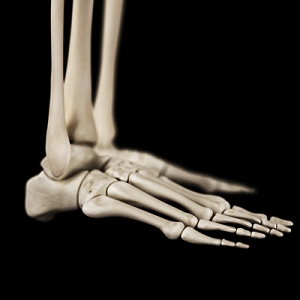
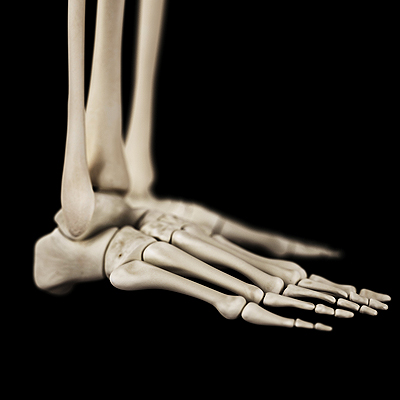
A stress fracture may gradually develop from frequently participating in running and jumping activities, and can be uncomfortable. Effective treatment for this type of injury generally begins with ceasing the activity that caused the pain, and wearing a boot or cast that will help to provide the support that is necessary as the healing process occurs. Prevention of further stress fractures may be accomplished by warming up properly before running, and gradually increasing the intensity of your physical activity. It is suggested that a podiatrist be consulted who can offer you preventative and treatment options.
Stress fractures occur when there is a tiny crack within a bone. To learn more, contact Roy Rothman, DPM from Florida. Our doctor can provide the care you need to keep you pain free and on your feet.
How Are They Caused?
Stress fractures are the result of repetitive force being placed on the bone. Since the lower leg and feet often carry most of the body’s weight, stress fractures are likely to occur in these areas. If you rush into a new exercise, you are more likely to develop a stress fracture since you are starting too much, too soon. Pain resulting from stress fractures may go unnoticed at first, however it may start to worsen over time.
Risk Factors
Stress fractures do not always heal properly, so it is important that you seek help from a podiatrist if you suspect you may have one. Ignoring your stress fracture may cause it to worsen, and you may develop chronic pain as well as additional fractures.
If you have any questions please contact our office located in DeBary, FL . We offer the newest diagnostic and treatment technologies for all your foot and ankle needs.


 Follow Us