
Roy A. Rothman, DPM, PA
Podiatric Medicine and SurgeonFoot & Ankle Specialist

 Pain and discomfort often accompanies the foot condition that is known as plantar fasciitis. It can occur as a result of an inflamed plantar fascia, which is located on the bottom of the foot. The Plantar fascia is a portion of tissue that connects the heel to the toes and is crucial in completing basic foot movements. Plantar fasciitis can develop from standing on hard surfaces for extended periods of time throughout the day, overuse, or from a sudden weight gain. Common symptoms can include heel pain after arising in the morning and difficulty walking. It is beneficial to properly stretch the feet before and after exercising, as this may be helpful in preventing plantar fasciitis. If you are afflicted with this condition, please consult with a podiatrist to learn about treatment options.
Plantar fasciitis is a common foot condition that is often caused by a strain injury. If you are experiencing heel pain or symptoms of plantar fasciitis, contact Roy Rothman, DPM from Florida. Our doctor can provide the care you need to keep you pain-free and on your feet.
What Is Plantar Fasciitis?
Plantar fasciitis is one of the most common causes of heel pain. The plantar fascia is a ligament that connects your heel to the front of your foot. When this ligament becomes inflamed, plantar fasciitis is the result. If you have plantar fasciitis you will have a stabbing pain that usually occurs with your first steps in the morning. As the day progresses and you walk around more, this pain will start to disappear, but it will return after long periods of standing or sitting.
What Causes Plantar Fasciitis?
There are some risk factors that may make you more likely to develop plantar fasciitis compared to others. The condition most commonly affects adults between the ages of 40 and 60. It also tends to affect people who are obese because the extra pounds result in extra stress being placed on the plantar fascia.
Prevention
There are a variety of treatment options available for plantar fasciitis along with the pain that accompanies it. Additionally, physical therapy is a very important component in the treatment process. It is important that you meet with your podiatrist to determine which treatment option is best for you.
If you have any questions, please feel free to contact our office located in DeBary, FL . We offer the newest diagnostic and treatment technologies for all your foot care needs.

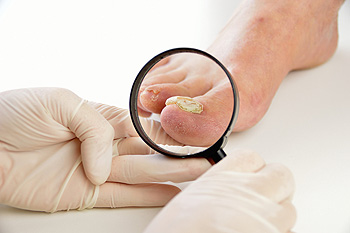 Toenail infections are a common problem that occurs when a fungus begins to grow under the nail. Upon infection, the toenail can turn yellow, become crumbly, thicken, and separate from the nail bed. Because the fungi that cause these infections thrive in warm and moist environments, there are a few key ways to prevent a fungal nail infection. These methods include ensuring that the feet are properly dried, keeping the toenails short, wearing clean socks, wearing footwear in public pools and showers, not sharing footwear with others, and using an antifungal spray in your shoes. If you still get an infection, there are a variety of treatment options that a podiatrist can provide. A podiatrist can prescribe antifungal medicines, remove the infected nail, or use an antifungal nail polish. If you believe that you have a fungal nail infection, visiting a podiatrist is recommended.
If left untreated, toenail fungus may spread to other toenails, skin, or even fingernails. If you suspect you have toenail fungus it is important to seek treatment right away. For more information about treatment, contact Roy Rothman, DPM of Florida. Our doctor can provide the care you need to keep you pain-free and on your feet.
Symptoms
Treatment
If self-care strategies and over-the-counter medications does not help your fungus, your podiatrist may give you a prescription drug instead. Even if you find relief from your toenail fungus symptoms, you may experience a repeat infection in the future.
Prevention
In order to prevent getting toenail fungus in the future, you should always make sure to wash your feet with soap and water. After washing, it is important to dry your feet thoroughly especially in between the toes. When trimming your toenails, be sure to trim straight across instead of in a rounded shape. It is crucial not to cover up discolored nails with nail polish because that will prevent your nail from being able to “breathe”.
In some cases, surgical procedure may be needed to remove the toenail fungus. Consult with your podiatrist about the best treatment options for your case of toenail fungus.
If you have any questions please contact our office located in DeBary, FL . We offer the newest diagnostic and treatment technologies for all your foot and ankle needs.

 Sever’s disease is a common issue that leads to heel pain in children between the ages of 8 and 14. Sever’s disease occurs when the bones in the calves grow faster than the Achilles tendon, which connects the heel bone to the calf muscle. This causes the tendon to tighten and the heel to become swollen and sore. Sever’s disease symptoms are typically most prominent during running or jumping activities. However, there is usually no long term damage caused by Sever’s disease as the child continues to grow. Common symptoms include limping, tenderness in the heel, especially after exercise, and swelling in the heel bone. If you believe that your child is struggling with Sever’s disease, consulting with a podiatrist is suggested.
Sever's disease often occurs in children and teens. If your child is experiencing foot or ankle pain, see Roy Rothman, DPM from Florida. Our doctor can treat your child’s foot and ankle needs.
Sever’s Disease
Sever’s disease is also known as calcaneal apophysitis, which is a medical condition that causes heel pain I none or both feet. The disease is known to affect children between the ages of 8 and 14.
Sever’s disease occurs when part of the child’s heel known as the growth plate (calcaneal epiphysis) is attached to the Achilles tendon. This area can suffer injury when the muscles and tendons of the growing foot do not keep pace with bone growth. Therefore, the constant pain which one experiences at the back of the heel will make the child unable to put any weight on the heel. The child is then forced to walk on their toes.
Symptoms
Acute pain – Pain associated with Sever’s disease is usually felt in the heel when the child engages in physical activity such as walking, jumping and or running.
Highly active – Children who are very active are among the most susceptible in experiencing Sever’s disease, because of the stress and tension placed on their feet.
If you have any questions, please feel free to contact our office located in DeBary, FL . We offer the newest diagnostic and treatment technologies for all your foot care needs.

 Patients who experience gout attacks are aware of the severe and debilitating pain this condition may cause. It is considered to be a form of arthritis and typically affects the joints in the big toe. Some of the symptoms that are generally associated with gout include swelling on or near the affected joints, and it may often feel warm when touched. Gout is caused by an excess of uric acid in the bloodstream, which is referred to as hyperuricemia. It may occur from genetic reasons, or from eating foods that have high levels of purines. These can consist of red meat, shellfish, and drinks that have an elevated sugar content. Additionally, existing medical conditions such as diabetes, high blood pressure, and poor kidney function, may play significant roles in developing gout. If you are afflicted with this type of arthritis, it is strongly suggested that you are under the care of a podiatrist who can effectively treat this condition.
Gout is a painful condition that can be treated. If you are seeking treatment, contact Roy Rothman, DPM from Florida. Our doctor will treat your foot and ankle needs.
What Is Gout?
Gout is a form of arthritis that is characterized by sudden, severe attacks of pain, redness, and tenderness in the joints. The condition usually affects the joint at the base of the big toe. A gout attack can occur at any random time, such as the middle of the night while you are asleep.
Symptoms
Risk Factors
Prior to visiting your podiatrist to receive treatment for gout, there are a few things you should do beforehand. If you have gout you should write down your symptoms--including when they started and how often you experience them, important medical information you may have, and any questions you may have. Writing down these three things will help your podiatrist in assessing your specific situation so that he or she may provide the best route of treatment for you.
If you have any questions, please feel free to contact our office located in DeBary, FL . We offer the newest diagnostic and treatment technologies for all your foot care needs.


If you are suffering from tenderness, pain, or stiffness in the joints of your feet or ankles, call us to schedule an appointment.


 Follow Us