
Roy A. Rothman, DPM, PA
Podiatric Medicine and SurgeonFoot & Ankle Specialist
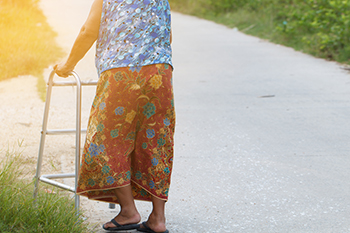
The majority of hospitals implement fall prevention strategies. Studies suggest that falls may be overlooked, mainly because the patients are admitted for other reasons. If a fall occurs in the hospital, a promising recovery may take longer than expected. Patients may prefer to stay in bed as it may be safer than walking through corridors. However, mobility and strength can be increased when walking is done as often as possible. It is beneficial for hospitals to have employees learn how to protect patients from falling as each patient is unique. Some patients can fall as a result of mental status or from medications that put them at a higher risk for falls. Unanticipated falls can include people who suddenly experience a stroke or seizure, and different fall prevention protocols are often put in place. If you or a loved one would like to learn more fall prevention techniques, it is suggested that you reach out to a podiatrist who can provide you with helpful tips.
Preventing falls among the elderly is very important. If you are older and have fallen or fear that you are prone to falling, consult with Roy Rothman, DPM from Florida. Our doctor will assess your condition and provide you with quality advice and care.
Every 11 seconds, an elderly American is being treated in an emergency room for a fall related injury. Falls are the leading cause of head and hip injuries for those 65 and older. Due to decreases in strength, balance, senses, and lack of awareness, elderly persons are very susceptible to falling. Thankfully, there are a number of things older persons can do to prevent falls.
How to Prevent Falls
Some effective methods that older persons can do to prevent falls include:
Falling can be a traumatic and embarrassing experience for elderly persons; this can make them less willing to leave the house, and less willing to talk to someone about their fears of falling. Doing such things, however, will increase the likelihood of tripping or losing one’s balance. Knowing the causes of falling and how to prevent them is the best way to mitigate the risk of serious injury.
If you have any questions, please feel free to contact our office located in DeBary, FL . We offer the newest diagnostic and treatment technologies for all your foot care needs.


Custom orthotics, or shoe inserts, should be periodically replaced. Orthotics must fit properly to give you the best results. Protect your feet and ankles!
Our feet are usually the most overused, underappreciated parts of our bodies. In fact, it might be accurate to say we seldom think about our feet unless they hurt us. Because of this, most of us neglect daily foot care that could help prevent various foot problems and assist us in our mobility. Some tips to keep our feet in their best shape include washing, drying, and moisturizing them daily, wearing shoes that fit well and are comfortable, and trimming toenails properly and regularly. Some people do not know that the safest way to trim toenails is straight across with a nail clipper and to use a nail file to smooth rough edges. Soaking and massaging the feet every now and then is a treat that will soothe your whole being. If you would like more tips on instituting a good foot care routine, it is a good idea to make an appointment with a podiatrist who is an expert in everything related to the feet and ankles.
Everyday foot care is very important to prevent infection and other foot ailments. If you need your feet checked, contact Roy Rothman, DPM from Florida. Our doctor can provide the care you need to keep you pain-free and on your feet.
Everyday Foot Care
Often, people take care of their bodies, face and hair more so than they do for their feet. But the feet are a very important aspect of our bodies, and one that we should pay more attention to. Without our feet, we would not be able to perform most daily tasks.
It is best to check your feet regularly to make sure there are no new bruises or cuts that you may not have noticed before. For dry feet, moisturizer can easily be a remedy and can be applied as often as necessary to the affected areas. Wearing shoes that fit well can also help you maintain good foot health, as well as making it easier to walk and do daily activities without the stress or pain of ill-fitting shoes, high heels, or even flip flops. Wearing clean socks with closed shoes is important to ensure that sweat and bacteria do not accumulate within the shoe. Clean socks help to prevent Athlete’s foot, fungi problems, bad odors, and can absorb sweat.
If you have any questions please feel free to contact our office located in DeBary, FL . We offer the newest diagnostic and treatment technologies for all your foot and ankle needs.

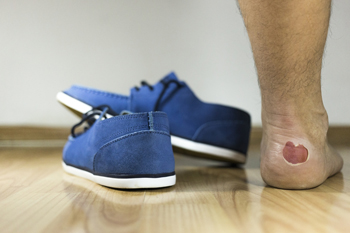
If you are someone who wears shoes that rub up against your skin or shoes that are simply too tight, you may be putting yourself at an increased risk of developing blisters. Blisters on the feet are certainly nothing to take too lightly. These blisters may develop on the feet in different areas such as the heels and toes. If you have a blister that falls off prematurely, leaving a wound exposed, a podiatrist can help you address this problem. Depending on the nature of the blister and your particular case, a podiatrist may suggest a variety of different things. For example, a podiatrist may recommend that you would benefit most from applying petroleum jelly to the wound and covering it with a bandage. The goal of taking these steps is to facilitate the healing of the underlying wound. Please contact a podiatrist today for more information and correct treatment options.
Blisters are prone to making everyday activities extremely uncomfortable. If your feet are hurting, contact Roy Rothman, DPM of Florida. Our doctor can provide the care you need to keep you pain-free and on your feet.
Foot Blisters
Foot blisters develop as a result of constantly wearing tight or ill-fitting footwear. This happens due to the constant rubbing from the shoe, which can often lead to pain.
What Are Foot Blisters?
A foot blister is a small fluid-filled pocket that forms on the upper-most layer of the skin. Blisters are filled with clear fluid and can lead to blood drainage or pus if the area becomes infected.
How Do Blisters Form?
Blisters on the feet are often the result of constant friction of skin and material, usually by shoe rubbing. Walking in sandals, boots, or shoes that don’t fit properly for long periods of time can result in a blister. Having consistent foot moisture and humidity can easily lead to blister formation.
Prevention & Treatment
It is important to properly care for the affected area in order to prevent infection and ease the pain. Do not lance the blister and use a Band-Aid to provide pain relief. Also, be sure to keep your feet dry and wear proper fitting shoes. If you see blood or pus in a blister, seek assistance from a podiatrist.
If you have any questions, please feel free to contact our office located in DeBary, FL . We offer the newest diagnostic and treatment technologies for all your foot care needs.

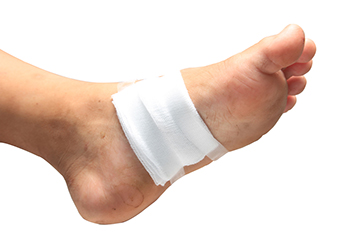
Some individuals, such as people who are diabetic, may be particularly susceptible to developing wounds on their feet. Therefore, these individuals may benefit from always having some kind of professional wound kit handy in case they must treat wounds on the feet. Many patients might wonder what exactly is in a wound kit like this. Although it can vary from person to person, a standard wound care kit will contain certain essential items. These can include items such as gauze pads of different sizes and rolled gauze. Additionally, a wound care kit may have non-stick pads and paper tape. If you are looking into buying a wound care kit for your own feet, contact a podiatrist today for more advice on foot wound care.
Wound care is an important part in dealing with diabetes. If you have diabetes and a foot wound or would like more information about wound care for diabetics, consult with Roy Rothman, DPM from Florida. Our doctor will assess your condition and provide you with quality foot and ankle treatment.
What Is Wound Care?
Wound care is the practice of taking proper care of a wound. This can range from the smallest to the largest of wounds. While everyone can benefit from proper wound care, it is much more important for diabetics. Diabetics often suffer from poor blood circulation which causes wounds to heal much slower than they would in a non-diabetic.
What Is the Importance of Wound Care?
While it may not seem apparent with small ulcers on the foot, for diabetics, any size ulcer can become infected. Diabetics often also suffer from neuropathy, or nerve loss. This means they might not even feel when they have an ulcer on their foot. If the wound becomes severely infected, amputation may be necessary. Therefore, it is of the upmost importance to properly care for any and all foot wounds.
How to Care for Wounds
The best way to care for foot wounds is to prevent them. For diabetics, this means daily inspections of the feet for any signs of abnormalities or ulcers. It is also recommended to see a podiatrist several times a year for a foot inspection. If you do have an ulcer, run the wound under water to clear dirt from the wound; then apply antibiotic ointment to the wound and cover with a bandage. Bandages should be changed daily and keeping pressure off the wound is smart. It is advised to see a podiatrist, who can keep an eye on it.
If you have any questions please contact our office located in DeBary, FL . We offer the newest diagnostic and treatment technologies for all your foot and ankle needs.


 Follow Us