
Roy A. Rothman, DPM, PA
Podiatric Medicine and SurgeonFoot & Ankle Specialist

 Plantar fasciitis is a condition that results in heel pain. It happens when the plantar fascia, a thick band of tissue running across the bottom of your foot and connecting your heel bone to your toes, becomes inflamed. This inflammation can cause sharp, stabbing pain, particularly noticeable with your first steps in the morning or after long periods of rest. Customized foot orthotics can reduce the heel pain associated with plantar fasciitis by providing targeted support and cushioning to the foot. These tailored inserts fit into your shoes to distribute pressure more evenly across the foot, reduce strain on the plantar fascia, and correct any abnormal walking patterns that could be contributing to the pain. Customized orthotics can significantly alleviate uncomfortable heel pain from plantar fasciitis and help prevent its recurrence, especially because it is a solution tailored to your specific foot problems. If you are experiencing heel pain from plantar fasciitis, it is suggested that you visit a podiatrist, who can determine if customized orthotics are the right course of treatment for you.
Many people suffer from bouts of heel pain. For more information, contact Roy Rothman, DPM of Florida. Our doctor can provide the care you need to keep you pain-free and on your feet.
Causes of Heel Pain
Heel pain is often associated with plantar fasciitis. The plantar fascia is a band of tissues that extends along the bottom of the foot. A rip or tear in this ligament can cause inflammation of the tissue.
Achilles tendonitis is another cause of heel pain. Inflammation of the Achilles tendon will cause pain from fractures and muscle tearing. Lack of flexibility is also another symptom.
Heel spurs are another cause of pain. When the tissues of the plantar fascia undergo a great deal of stress, it can lead to ligament separation from the heel bone, causing heel spurs.
Why Might Heel Pain Occur?
Treatments
Heel pain should be treated as soon as possible for immediate results. Keeping your feet in a stress-free environment will help. If you suffer from Achilles tendonitis or plantar fasciitis, applying ice will reduce the swelling. Stretching before an exercise like running will help the muscles. Using all these tips will help make heel pain a condition of the past.
If you have any questions please contact our office located in DeBary, FL . We offer the newest diagnostic and treatment technologies for all your foot and ankle needs.


Do you suffer from heel pain when you get up in the morning? If so, you should seek professional help and have a proper diagnosis performed. Heel pain can be caused by several different foot-related conditions.


Your feet work hard each day to support your body and facilitate movement, and for that reason, it makes sense to keep them in shape through regular exercise. Engaging in simple foot exercises is one way to do just that. Regularly performing toe raises, curls, splay movements and stretches can improve flexibility and range of motion. These exercises also help to reduce foot and ankle pain as well as muscle soreness, while enhancing your overall foot health. By incorporating foot exercises into your routine daily, or even three days a week, you can strengthen the muscles, tendons, and ligaments in your feet. This in turn promotes better balance, stability, and posture. Activities like marble pickups and tennis ball rolls not only strengthen muscles but also enhance coordination and may reduce the risk of falls, particularly in older adults. However, it is essential to listen to your body and avoid overexertion, ensuring a gentle and consistent approach to foot exercises. It is suggested that you schedule an appointment with a podiatrist who can provide guidance on suitable exercises tailored to your specific needs and foot conditions.
Exercising your feet regularly with the proper foot wear is a great way to prevent injuries and build strength. If you have any concerns about your feet, contact Roy Rothman, DPM from Florida. Our doctor can provide the care you need to keep you pain-free and on your feet.
Exercise for Your Feet
Exercise for your feet can help you gain strength, mobility and flexibility in your feet. They say that strengthening your feet can be just as rewarding as strengthening another part of the body. Your feet are very important, and we often forget about them in our daily tasks. But it is because of our feet that are we able to get going and do what we need to. For those of us fortunate enough to not have any foot problems, it is an important gesture to take care of them to ensure good health in the long run.
Some foot health exercises can include ankle pumps, tip-toeing, toe rises, lifting off the floor doing reps and sets, and flexing the toes. It is best to speak with Our doctor to determine an appropriate regimen for your needs. Everyone’s needs and bodies are different, and the activities required to maintain strength in the feet vary from individual to individual.
Once you get into a routine of doing regular exercise, you may notice a difference in your feet and how strong they may become.
If you have any questions please feel free to contact our office located in DeBary, FL . We offer the newest diagnostic and treatment technologies for all your foot and ankle needs.


Experiencing sudden joint pain, swelling, and redness in your big toe? It could be gout, a condition where urate crystals accumulate in the joints. To determine whether you have gout, a podiatrist may recommend various tests. Blood tests are essential to check uric acid levels, although elevated levels don't always signify gout. Joint fluid testing, or arthrocentesis, involves extracting fluid from the affected joint to identify uric acid crystals, confirming a gout diagnosis. Ultrasound imaging can reveal inflammation and the presence of crystals, or tophi, around the joint. Additionally, dual-energy computerized tomography, or DECT, scans provide detailed images to show uric acid crystals within the joints, aiding in diagnosis. If you're experiencing severe and persistent discomfort in the big toe joint, it is suggested that you make an appointment with a podiatrist. This foot doctor is medically trained to diagnose symptoms of gout and offer the appropriate options to manage this condition.
Gout is a painful condition that can be treated. If you are seeking treatment, contact Roy Rothman, DPM from Florida. Our doctor will treat your foot and ankle needs.
What Is Gout?
Gout is a form of arthritis that is characterized by sudden, severe attacks of pain, redness, and tenderness in the joints. The condition usually affects the joint at the base of the big toe. A gout attack can occur at any random time, such as the middle of the night while you are asleep.
Symptoms
Risk Factors
Prior to visiting your podiatrist to receive treatment for gout, there are a few things you should do beforehand. If you have gout you should write down your symptoms--including when they started and how often you experience them, important medical information you may have, and any questions you may have. Writing down these three things will help your podiatrist in assessing your specific situation so that he or she may provide the best route of treatment for you.
If you have any questions, please feel free to contact our office located in DeBary, FL . We offer the newest diagnostic and treatment technologies for all your foot care needs.

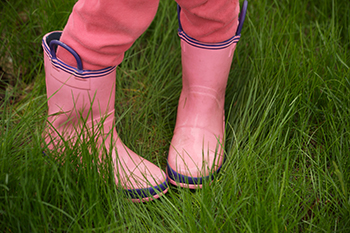
In-toeing in your child is a foot deformity where the front half of the foot bends or turns inward toward the side of the big toe. This condition, known as metatarsus adductus, can be attributed to the baby's positioning in the womb. Family history can also play a role. Symptoms of metatarsus adductus typically include inward angulation of the front part of the foot, with ankles and heel in a normal position. In-toeing, or walking with the forefoot turned in, can result from this deformity. Diagnosis is typically made after a physical exam, with an additional assessment of the hips to rule out other issues. Although metatarsus adductus may correct itself with time, performing certain stretching exercises, wearing splints, special shoes, or a cast may be treatments prescribed by a podiatrist. The type of intervention is generally based on the flexibility of the foot. Surgery is rarely needed for in-toeing, and is usually postponed until the child is older. Despite their in-toeing, most children can still engage in athletic activities later in life without interference. To find out more about managing your child's in-toeing, it is suggested that you schedule an appointment with a podiatrist.
Congenital foot problems require immediate attention to avoid future complications. If you have any concerns, contact Roy Rothman, DPM of Florida. Our doctor can provide the care you need to keep you pain-free and on your feet.
Congenital foot problems are deformities affecting the feet, toes, and/or ankles that children are born with. Some of these conditions have a genetic cause while others just happen. Some specific foot ailments that children may be born with include clubfeet, polydactyly/macrodactyly, and cleft foot. There are several other foot anomalies that can occur congenitally. What all of these conditions have in common is that a child may experience difficulty walking or performing everyday activities, as well as trouble finding footwear that fits their foot deformity. Some of these conditions are more serious than others. Consulting with a podiatrist as early as possible will help in properly diagnosing a child’s foot condition while getting the necessary treatment underway.
What are Causes of Congenital Foot Problem?
A congenital foot problem is one that happens to a child at birth. These conditions can be caused by a genetic predisposition, developmental or positional abnormalities during gestation, or with no known cause.
What are Symptoms of Congenital Foot Problems?
Symptoms vary by the congenital condition. Symptoms may consist of the following:
Treatment and Prevention
While there is nothing one can do to prevent congenital foot problems, raising awareness and receiving neonatal screenings are important. Early detection by taking your child to a podiatrist leads to the best outcome possible.
If you have any questions please feel free to contact our office located in DeBary, FL . We offer the newest diagnostic tools and technology to treat your foot and ankle needs.


 Follow Us