
Roy A. Rothman, DPM, PA
Podiatric Medicine and SurgeonFoot & Ankle Specialist
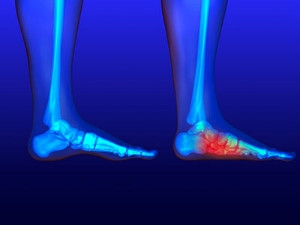
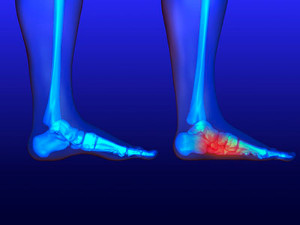 Flat feet occur when the arch of the foot is lower than normal or nonexistent. Because flat feet change how the feet and legs align, they can cause pain in the heel, arches of the feet, or the legs. One cause of flat feet occurs when the feet do not develop correctly during childhood. Most children develop a visible arch in their feet by around age 10, but in some cases, the arch never develops. While this occurs regularly and is not a big issue, flat feet can also develop with age. Risk factors for developing flat feet include injuries, arthritis, diabetes, or obesity. Signs of flat feet include shoes that don’t wear out evenly, pain in the feet and legs, or weakened feet. If you are suffering from the signs of flat feet, it is important to consult with a podiatrist to discuss proper treatment options. These may include orthotics, special stretches or a weight loss strategy.
Flatfoot is a condition many people suffer from. If you have flat feet, contact Roy Rothman, DPM from Florida. Our doctor will treat your foot and ankle needs.
What Are Flat Feet?
Flatfoot is a condition in which the arch of the foot is depressed and the sole of the foot is almost completely in contact with the ground. About 20-30% of the population generally has flat feet because their arches never formed during growth.
Conditions & Problems:
Having flat feet makes it difficult to run or walk because of the stress placed on the ankles.
Alignment – The general alignment of your legs can be disrupted, because the ankles move inward which can cause major discomfort.
Knees – If you have complications with your knees, flat feet can be a contributor to arthritis in that area.
Symptoms
Treatment
If you are experiencing pain and stress on the foot you may weaken the posterior tibial tendon, which runs around the inside of the ankle.
If you have any questions, please feel free to contact our office located in DeBary, FL . We offer the newest diagnostic and treatment technologies for all your foot care needs.
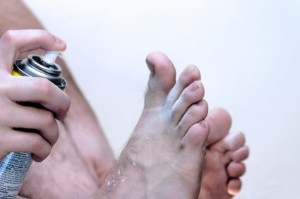
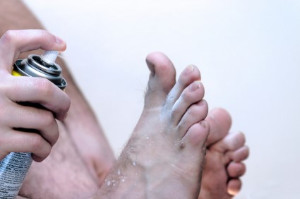 The medical condition that is known as athlete’s foot is common among many people, and is not limited to athletes. It is caused by a fungal infection, and symptoms can be seen on the bottom of the foot or between the toes. It can generally cause severe itchiness, and the skin may become red and blistered. The fungus that causes athlete’s foot lives and thrives in warm and moist environments, which often include public swimming pools, locker rooms, and surrounding areas. Mild relief may be found when an antifungal powder is applied. For recurring or severe cases of this condition, it is strongly recommended that you are under the care of a podiatrist who can effectively treat athlete’s foot.
Athlete’s Foot
Athlete’s foot is often an uncomfortable condition to experience. Thankfully, podiatrists specialize in treating athlete’s foot and offer the best treatment options. If you have any questions about athlete’s foot, consult with Roy Rothman, DPM from Florida. Our doctor will assess your condition and provide you with quality treatment.
What Is Athlete’s Foot?
Tinea pedis, more commonly known as athlete’s foot, is a non-serious and common fungal infection of the foot. Athlete’s foot is contagious and can be contracted by touching someone who has it or infected surfaces. The most common places contaminated by it are public showers, locker rooms, and swimming pools. Once contracted, it grows on feet that are left inside moist, dark, and warm shoes and socks.
Prevention
The most effective ways to prevent athlete’s foot include:
Symptoms
Athlete’s foot initially occurs as a rash between the toes. However, if left undiagnosed, it can spread to the sides and bottom of the feet, toenails, and if touched by hand, the hands themselves. Symptoms include:
Diagnosis and Treatment
Diagnosis is quick and easy. Skin samples will be taken and either viewed under a microscope or sent to a lab for testing. Sometimes, a podiatrist can diagnose it based on simply looking at it. Once confirmed, treatment options include oral and topical antifungal medications.
If you have any questions, please feel free to contact our office located in DeBary, FL . We offer the newest diagnostic and treatment technologies for all your foot care needs.
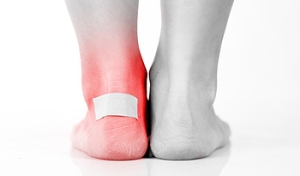
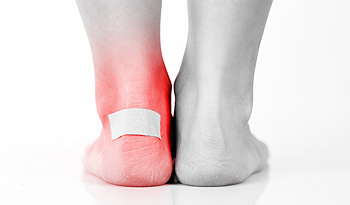 A blister on the foot generally occurs as a result of excessive friction. This can happen from wearing shoes that do not fit correctly, or from performing repetitive actions. New cleats that soccer players wear may cause blisters on the feet, in addition to training on hard surfaces. There are measures that can be implemented which may help to prevent blisters. These can include keeping the skin dry and clean, wearing socks that can absorb excess moisture, and choosing cleats that fit properly. If you would like additional information about how to care for and prevent blisters on the feet, please consult with a podiatrist.
Blisters are prone to making everyday activities extremely uncomfortable. If your feet are hurting, contact Roy Rothman, DPM of Florida. Our doctor can provide the care you need to keep you pain-free and on your feet.
Foot Blisters
Foot blisters develop as a result of constantly wearing tight or ill-fitting footwear. This happens due to the constant rubbing from the shoe, which can often lead to pain.
What Are Foot Blisters?
A foot blister is a small fluid-filled pocket that forms on the upper-most layer of the skin. Blisters are filled with clear fluid and can lead to blood drainage or pus if the area becomes infected.
How Do Blisters Form?
Blisters on the feet are often the result of constant friction of skin and material, usually by shoe rubbing. Walking in sandals, boots, or shoes that don’t fit properly for long periods of time can result in a blister. Having consistent foot moisture and humidity can easily lead to blister formation.
Prevention & Treatment
It is important to properly care for the affected area in order to prevent infection and ease the pain. Do not lance the blister and use a Band-Aid to provide pain relief. Also, be sure to keep your feet dry and wear proper fitting shoes. If you see blood or pus in a blister, seek assistance from a podiatrist.
If you have any questions, please feel free to contact our office located in DeBary, FL . We offer the newest diagnostic and treatment technologies for all your foot care needs.
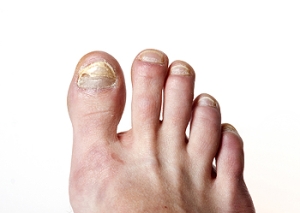
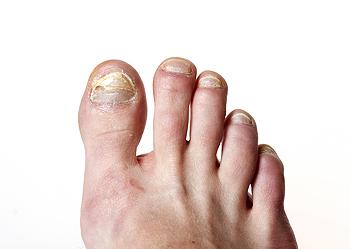 Research has indicated that toenail fungus rarely affects children, but can develop as the aging process occurs. It occurs as a result of the fungus entering the toenail through a small crack in the nail, and will gradually spread when shoes and socks are worn throughout the day. Some of the symptoms that are associated with this ailment can consist of the toenails becoming thick and yellowed, and in severe cases, the nail may lift off of the nail bed. This type of fungus lives and thrives in warm and moist environments, and is often found in public swimming pools, showers room floors, and surrounding areas. It is helpful to wear appropriate shoes while in these types of places, as this may help to reduce the risk of spreading toenail fungus. Toenail fungus is considered to be contagious, and it is beneficial to refrain from sharing towels, socks and shoes. If you are afflicted with this condition, it is suggested that you seek the counsel of a podiatrist who can offer you effective treatment options.
If left untreated, toenail fungus may spread to other toenails, skin, or even fingernails. If you suspect you have toenail fungus it is important to seek treatment right away. For more information about treatment, contact Roy Rothman, DPM of Florida. Our doctor can provide the care you need to keep you pain-free and on your feet.
Symptoms
Treatment
If self-care strategies and over-the-counter medications does not help your fungus, your podiatrist may give you a prescription drug instead. Even if you find relief from your toenail fungus symptoms, you may experience a repeat infection in the future.
Prevention
In order to prevent getting toenail fungus in the future, you should always make sure to wash your feet with soap and water. After washing, it is important to dry your feet thoroughly especially in between the toes. When trimming your toenails, be sure to trim straight across instead of in a rounded shape. It is crucial not to cover up discolored nails with nail polish because that will prevent your nail from being able to “breathe”.
In some cases, surgical procedure may be needed to remove the toenail fungus. Consult with your podiatrist about the best treatment options for your case of toenail fungus.
If you have any questions please contact our office located in DeBary, FL . We offer the newest diagnostic and treatment technologies for all your foot and ankle needs.


Suffering from this type of pain? You may have the foot condition known as Morton's neuroma. Morton's neuroma may develop as a result of ill-fitting footwear and existing foot deformities. We can help.
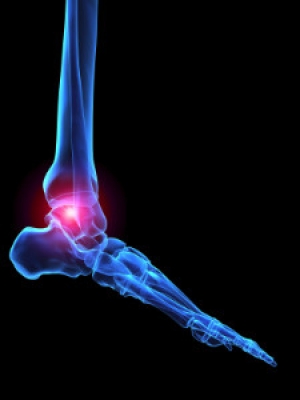
 Patients who have inflammation in the joints of their feet may be experiencing a certain type of arthritis. Osteoarthritis can make it difficult to move the feet, and may be accompanied by stiffness and pain. This can be caused by a loss of cartilage, and the affected joints may change shape and become swollen. Rheumatoid arthritis can occur when the immune system attacks the joints, and may affect the feet, in addition to other parts of the body. The feet can become weak, and it may be challenging to perform daily activities. If you would like more information on how arthritis can affect the feet, it is suggested that you consult with a podiatrist who can provide you with the proper information.
Arthritis can be a difficult condition to live with. If you are seeking treatment, contact Roy Rothman, DPM from Florida. Our doctor can provide the care you need to keep you pain-free and on your feet.
Arthritic Foot Care
Arthritis is a joint disorder that involves the inflammation of different joints in your body, such as those in your feet. Arthritis is often caused by a degenerative joint disease and causes mild to severe pain in all affected areas. In addition to this, swelling and stiffness in the affected joints can also be a common symptom of arthritis.
In many cases, wearing ill-fitting shoes can worsen the effects and pain of arthritis. Wearing shoes that have a lower heel and extra room can help your feet feel more comfortable. In cases of rheumatoid arthritis, the arch in your foot may become problematic. Buying shoes with proper arch support that contour to your feet can help immensely.
Alleviating Arthritic Pain
It is best to see your doctor for the treatment that is right for your needs and symptoms. Conditions vary, and a podiatrist can help you determine the right method of care for your feet.
If you have any questions please feel free to contact our office located in DeBary, FL . We offer the newest diagnostic tools and technology to treat your foot and ankle needs.


 Follow Us