
Roy A. Rothman, DPM, PA
Podiatric Medicine and SurgeonFoot & Ankle Specialist


If you break your big toe, seeing a podiatrist can be helpful. This type of doctor will examine your toe to determine the extent of the injury. Depending on the severity, X-rays may be taken to see the extent of the fracture. The podiatrist can provide guidance on how to care for your broken toe properly. They can recommend resting the foot and elevating it to reduce swelling. In some cases, they may suggest buddy taping the broken toe to the adjacent one for support. If the fracture is severe or if the toe is misaligned, they may need to realign it or provide a splint to keep it in place. The podiatrist can also offer pain management techniques and advise on when it is safe to resume normal activities. If you believe you have fractured your big toe, it is suggested that you schedule an appointment with a podiatrist for a proper diagnosis and treatment that is deemed necessary.
Broken toes may cause a lot of pain and should be treated as soon as possible. If you have any concerns about your feet, contact Roy Rothman, DPM from Florida. Our doctor will treat your foot and ankle needs.
What Is a Broken Toe?
A broken toe occurs when one or more of the toe bones of the foot are broken after an injury. Injuries such as stubbing your toe or dropping a heavy object on it may cause a toe fracture.
Symptoms of a Broken Toe
Although the injured toe should be monitored daily, it is especially important to have a podiatrist look at your toe if you have severe symptoms. Some of these symptoms include worsening or new pain that is not relieved with medication, sores, redness, or open wounds near the toe.
If you have any questions please feel free to contact our office located in DeBary, FL . We offer the newest diagnostic tools and technology to treat your foot and ankle needs.


Custom orthotics, or shoe inserts, should be periodically replaced. Orthotics must fit properly to give you the best results. Protect your feet and ankles!


An ingrown toenail occurs when the edge of the nail grows into the surrounding skin, leading to pain, swelling, and redness. This common condition typically affects the big toe and can result from various factors. Improper nail trimming, such as cutting nails too short or rounding the edges, increases the risk of ingrown toenails by encouraging the nail to grow into the skin. Wearing tight or ill-fitting shoes can also exert pressure on the toes, causing the nail to grow abnormally and become ingrown. Additionally, injury or trauma to the toe, such as stubbing or repetitive pressure, can disrupt nail growth patterns and contribute to ingrown toenails. Individuals with curved or unusually shaped nails may be more susceptible to this condition. Poor foot hygiene and fungal infections further exacerbate the risk of ingrown toenails. If you have symptoms of an ingrown toenail, it is suggested that you schedule an appointment with a podiatrist who can properly diagnose this condition, and offer appropriate treatment solutions.
Ingrown toenails can become painful if they are not treated properly. For more information about ingrown toenails, contact Roy Rothman, DPM of Florida. Our doctor can provide the care you need to keep you pain-free and on your feet.
Ingrown Toenails
Ingrown toenails occur when a toenail grows sideways into the bed of the nail, causing pain, swelling, and possibly infection.
Causes
Prevention
Because ingrown toenails are not something found outside of shoe-wearing cultures, going barefoot as often as possible will decrease the likeliness of developing ingrown toenails. Wearing proper fitting shoes and using proper cutting techniques will also help decrease your risk of developing ingrown toenails.
Treatment
Ingrown toenails are a very treatable foot condition. In minor cases, soaking the affected area in salt or antibacterial soaps will not only help with the ingrown nail itself, but also help prevent any infections from occurring. In more severe cases, surgery is an option. In either case, speaking to your podiatrist about this condition will help you get a better understanding of specific treatment options that are right for you.
If you have any questions, please feel free to contact our office located in DeBary, FL . We offer the newest diagnostic and treatment technologies for all your foot care needs.


Trail running is an exhilarating activity that invites people of all preferences and ideologies to explore nature's paths. And with the right pair of shoes, anyone can conquer the trails with confidence. Before purchasing trail running shoes, there are two vital considerations to keep in mind. These can include your foot type and the terrain you will be tackling. First, understanding your foot type is essential for finding the perfect fit. Consider factors like the stiffness or pliability of the shoe, whether you need a neutral or stable base, and if you require a wide or narrow fit. Additionally, think about the heel to toe drop that suits your running style best. Equally important is selecting shoes tailored to the terrain you will be traversing. Such factors include trails with uneven surfaces, smoother paths with gentle inclines, water crossings, or dryer routes. If you have experienced foot, toe, or ankle pain as the result of trail running, you may benefit from a gait analysis and thorough examination of your feet and shoes. It is suggested that you schedule an appointment with a podiatrist for further guidance.
You should always make sure your running shoes fit properly in order to avoid injury. For more information, contact Roy Rothman, DPM from Florida. Our doctor can provide the care you need to keep you pain-free and on your feet.
Choosing the Right Running Shoe for Your Foot Type
Improper shoe sizing can cause a myriad of problems for your feet. Shoes that don’t fit you properly can lead to muscular imbalances in your body, which can result in foot, knee, and hip injuries.
Tips for Finding the Right Running Shoe
If you have any questions, please feel free to contact our office located in DeBary, FL . We offer the newest diagnostic and treatment technologies for all your foot care needs.

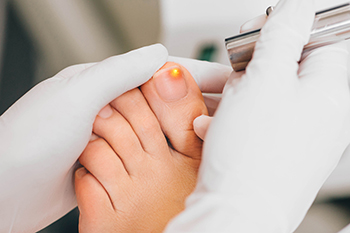
Laser treatment for toenail fungus has emerged as a popular option for those seeking an alternative to traditional remedies. One of the notable advantages lies in its non-invasiveness, as the procedure is typically painless and requires no anesthesia. Laser therapy targets the fungal infection by penetrating the nail, effectively destroying the fungi without harming surrounding tissues. The absence of side effects and a relatively short treatment duration are additional pros that attract individuals to this method. However, it is essential to consider the drawbacks. Laser treatment may require multiple sessions for optimal results, making it a potentially lengthy process. Moreover, the effectiveness can vary, and its success is contingent on the severity of the fungal infection. Weighing these pros and cons is essential for individuals contemplating laser treatment for toenail fungus to make informed decisions about their foot health. If you have developed toenail fungus, it is suggested that you discuss treatment options with a podiatrist who can determine if laser treatments are the right option for you.
Laser treatment can be an effective way to get rid of toenail fungus. If you have any questions about laser treatment, consult with Roy Rothman, DPM from Florida. Our doctor will assess your condition and provide you with quality treatment for fungal nails.
What Are Toenail Fungal Infections?
Onychomycosis, or fungal infection of the nail, is a relatively common and non-serious condition. Around 10 percent of U.S. citizens are afflicted with fungal nails. Common forms of fungus that infect the nail include dermatophytes, yeasts, and molds.
Symptoms of Toenail Fungal Infections Include:
Diagnosis for Fungal Nails
Fungal infections are diagnosed by fungal culture and microscopy. This will rule out any other conditions such as nail trauma, psoriasis, lichen planus, and onychogryphosis.
What Is Laser Treatment?
Laser treatment is a non-invasive, safe, quick, and painless procedure that uses the heat from a laser to kill fungus in the nail. Each infected nail is targeted with a laser for several minutes. The treatment is usually utilized several different times over a select period. During this time, a podiatrist will keep an eye on the infection.
If you have any questions, please feel free to contact our office located in DeBary, FL . We offer the newest diagnostic and treatment technologies for all your foot care needs.


 Follow Us