
Roy A. Rothman, DPM, PA
Podiatric Medicine and SurgeonFoot & Ankle Specialist
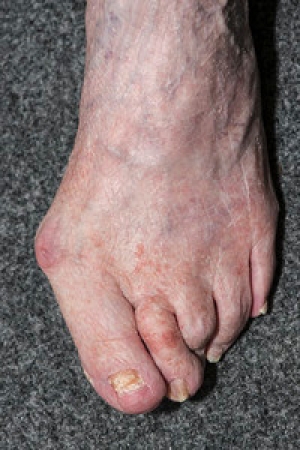
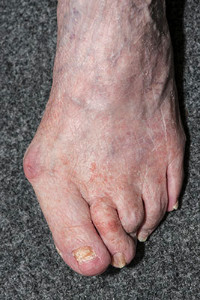 A bunion is defined as a noticeable, bony bump that extends on the side of the big toe. It can gradually form as a result of wearing shoes that do not have adequate room for the toes to move freely in. Additionally, genetic factors may play a significant role in developing a bunion. Common symptoms that many patients endure often include pain, redness on or around the affected area, and there may be considerable discomfort while walking. Mild relief may be felt when larger shoes are worn that can accommodate the bunion, and it may be beneficial to wear custom made orthotics. If you see the beginning signs of a bunion, it is suggested that you consult with a podiatrist who can help you to determine what the correct treatment method is for you.
If you are suffering from bunions, contact Roy Rothman, DPM of Florida. Our doctor can provide the care you need to keep you pain-free and on your feet.
What Is a Bunion?
A bunion is formed of swollen tissue or an enlargement of boney growth, usually located at the base joint of the toe that connects to the foot. The swelling occurs due to the bones in the big toe shifting inward, which impacts the other toes of the foot. This causes the area around the base of the big toe to become inflamed and painful.
Why Do Bunions Form?
Genetics – Susceptibility to bunions are often hereditary
Stress on the feet – Poorly fitted and uncomfortable footwear that places stress on feet, such as heels, can worsen existing bunions
How Are Bunions Diagnosed?
Podiatrists often perform two tests – blood tests and x-rays – when trying to diagnose bunions, especially in the early stages of development. Blood tests help determine if the foot pain is being caused by something else, such as arthritis, while x-rays provide a clear picture of your bone structure to your provider.
How Are Bunions Treated?
If you have any questions, please feel free to contact our office located in DeBary, FL . We offer the newest diagnostic and treatment technologies for all your foot care needs.
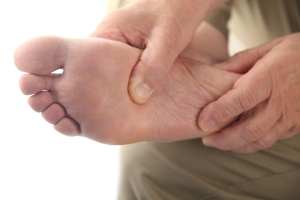
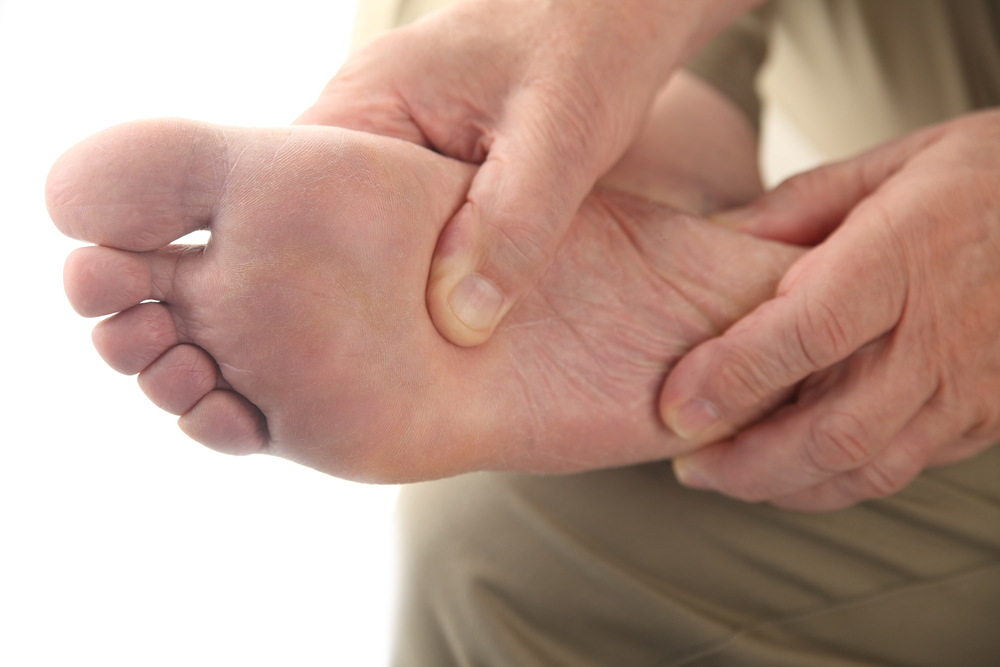 Cuboid syndrome is a foot condition that generally causes pain towards the outer midfoot region of the foot. When the surrounding tissue of the cuboid bone becomes inflamed, overused, or injured, cuboid syndrome is likely to develop. There are many different factors that can cause the development of this condition besides injury. For example, some patients may be more predisposed to developing this condition. These types of patients may include those who are obese, have pronated feet, train on uneven surfaces, and those who exercise excessively without easing into increasing the intensity of their workout. If you are experiencing pain near the midfoot area, it’s suggested that you consult with a podiatrist for a proper diagnosis and an advised treatment plan.
Cuboid syndrome, also known as cuboid subluxation, occurs when the joints and ligaments near the cuboid bone in the foot become torn. If you have cuboid syndrome, consult with Roy Rothman, DPM from Florida. Our doctor will assess your condition and provide you with quality foot and ankle treatment.
Cuboid syndrome is a common cause of lateral foot pain, which is pain on the outside of the foot. The condition may happen suddenly due to an ankle sprain, or it may develop slowly overtime from repetitive tension through the bone and surrounding structures.
Causes
The most common causes of cuboid syndrome include:
Symptoms
A common symptom of cuboid syndrome is pain along the outside of the foot which can be felt in the ankle and toes. This pain may create walking difficulties and may cause those with the condition to walk with a limp.
Diagnosis
Diagnosis of cuboid syndrome is often difficult, and it is often misdiagnosed. X-rays, MRIs and CT scans often fail to properly show the cuboid subluxation. Although there isn’t a specific test used to diagnose cuboid syndrome, your podiatrist will usually check if pain is felt while pressing firmly on the cuboid bone of your foot.
Treatment
Just as the range of causes varies widely, so do treatments. Some more common treatments are ice therapy, rest, exercise, taping, and orthotics.
If you have any questions, please feel free to contact our office located in DeBary, FL . We offer the newest diagnostic and treatment technologies for all your foot care needs.
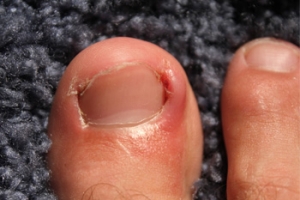
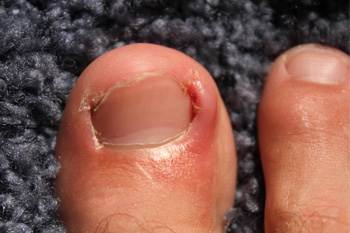 There are many people that suffer from a condition which is known as an ingrown toenail. Research has shown it generally does not cause harm, unless it becomes infected. This ailment can happen as a result of trimming the toenails incorrectly, or it may gradually develop from wearing shoes that do not have ample room for the toes to move freely in. A noticeable symptom can include swelling as the nail grows into the outer edges of the skin. Additionally, there may be a discharge that oozes from the affected nail, and this may add to existing pain and discomfort. Many patients have found mild relief when the affected nail is soaked in warm water, and this may be beneficial in softening the surrounding skin. If you have an ingrown toenail, please consult with a podiatrist who can guide you toward treatment options that are correct for you.
Ingrown toenails can become painful if they are not treated properly. For more information about ingrown toenails, contact Roy Rothman, DPM of Florida. Our doctor can provide the care you need to keep you pain-free and on your feet.
Ingrown Toenails
Ingrown toenails occur when a toenail grows sideways into the bed of the nail, causing pain, swelling, and possibly infection.
Causes
Prevention
Wearing proper fitting shoes and using proper cutting techniques will also help decrease your risk of developing ingrown toenails.
Treatment
Ingrown toenails are a very treatable foot condition. In minor cases, soaking the affected area in salt or antibacterial soaps will not only help with the ingrown nail itself, but also help prevent any infections from occurring. In more severe cases, surgery is an option. In either case, speaking to your podiatrist about this condition will help you get a better understanding of specific treatment options that are right for you.
If you have any questions, please feel free to contact our office located in DeBary, FL . We offer the newest diagnostic and treatment technologies for all your foot care needs.


Do you suffer from heel pain when you get up in the morning? If so, you should seek professional help and have a proper diagnosis performed. Heel pain can be caused by several different foot-related conditions.
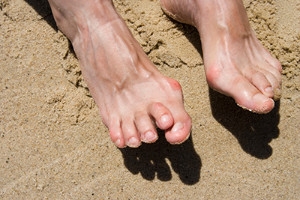
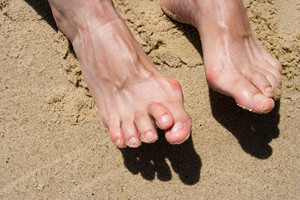 Hammertoe is a common foot condition among people worldwide, and it is considered to be a deformity. It occurs as a result of shortened tendons in the joints of the middle toe. These are tissues that link the bone to the muscle, and may cause the affected toe to bend at the joint, and resemble a hammer. There are several reasons why this condition may occur. These can include genetic factors, or from wearing shoes that do not have adequate room for the toes to move freely in. Additionally, there may be existing medical conditions that can consist of high arches, or certain types of arthritis which can precede the onset of hammertoe. It may help to change the type of shoes that are worn, and many patients choose to have surgery performed that can permanently straighten the toe. If you have developed hammertoe, it is strongly suggested that you are under the care of a podiatrist who can properly treat this ailment.
Hammertoes can be a painful condition to live with. For more information, contact Roy Rothman, DPM of Florida. Our doctor will answer any of your foot- and ankle-related questions.
Hammertoe
Hammertoe is a foot deformity that occurs due to an imbalance in the muscles, tendons, or ligaments that normally hold the toe straight. It can be caused by the type of shoes you wear, your foot structure, trauma, and certain disease processes.
Symptoms
Risk Factors
Treatment
If you have hammertoe, you should change into a more comfortable shoe that provides enough room for your toes. Exercises such as picking up marbles may strengthen and stretch your toe muscles. Nevertheless, it is important to seek assistance from a podiatrist in order to determine the severity of your hammertoe and see which treatment option will work best for you.
If you have any questions, please feel free to contact our office located in DeBary, FL . We offer the newest diagnostic and treatment technologies for all your foot care needs.


 Follow Us