
Roy A. Rothman, DPM, PA
Podiatric Medicine and SurgeonFoot & Ankle Specialist
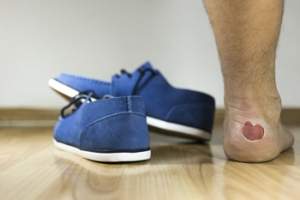
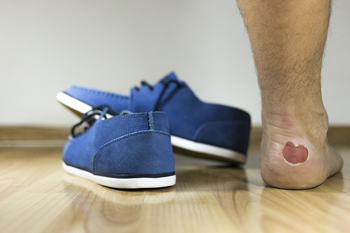
Blisters may be characterized as fluid-filled sacs that form due to friction between the foot and tightly worn socks or shoes. Some blisters may also form due to a burn or injury. To help prevent a blister from developing, it is recommended that your footwear is neither too big nor too small, as that may increase rubbing between your foot and shoe. For runners especially, it is important that you change your running shoes about every 6 months to ensure a proper fit. Some patients have found keeping their feet dry by using a foot powder has been effective in preventing blisters as well. For extra support, you may want to try doubling your socks, or taping areas that are more susceptible to getting blisters, such as the back of the heel or your toes. For more advice on the treatment and prevention of blisters it is suggested that you speak with a podiatrist for professional care.
Blisters are prone to making everyday activities extremely uncomfortable. If your feet are hurting, contact Roy Rothman, DPM of Florida. Our doctor can provide the care you need to keep you pain-free and on your feet.
Foot Blisters
Foot blisters develop as a result of constantly wearing tight or ill-fitting footwear. This happens due to the constant rubbing from the shoe, which can often lead to pain.
What Are Foot Blisters?
A foot blister is a small fluid-filled pocket that forms on the upper-most layer of the skin. Blisters are filled with clear fluid and can lead to blood drainage or pus if the area becomes infected.
How Do Blisters Form?
Blisters on the feet are often the result of constant friction of skin and material, usually by shoe rubbing. Walking in sandals, boots, or shoes that don’t fit properly for long periods of time can result in a blister. Having consistent foot moisture and humidity can easily lead to blister formation.
Prevention & Treatment
It is important to properly care for the affected area in order to prevent infection and ease the pain. Do not lance the blister and use a Band-Aid to provide pain relief. Also, be sure to keep your feet dry and wear proper fitting shoes. If you see blood or pus in a blister, seek assistance from a podiatrist.
If you have any questions, please feel free to contact our office located in DeBary, FL . We offer the newest diagnostic and treatment technologies for all your foot care needs.

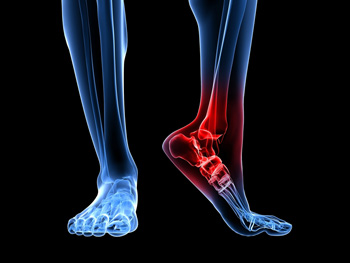 The plantar fascia is a band of tissue that connects the heel to the toes. Strained ligaments in this part of the foot may cause a condition to occur that is referred to as plantar fasciitis. This ailment is considered to be the most common cause of foot pain in adults. The plantar fascia helps to provide the necessary support while performing running and jumping activities, and can cause severe pain and discomfort if it becomes inflamed. Plantar fasciitis may happen for a variety of reasons. These may include experiencing a foot injury, wearing shoes that do not fit correctly, or from standing for extended periods of time throughout the day. Common symptoms that patients may feel can consist of heel pain, which may be more prominent early in the morning. There are several types of treatments available, and it is suggested that you consult with a podiatrist who can help you to determine which one is the best one for you.
Plantar fasciitis can be very painful and inconvenient. If you are experiencing heel pain or symptoms of plantar fasciitis, contact Roy Rothman, DPM from Florida. Our doctor can provide the care you need to keep you pain-free and on your feet.
What Is Plantar Fasciitis?
Plantar fasciitis is the inflammation of the thick band of tissue that runs along the bottom of your foot, known as the plantar fascia, and causes mild to severe heel pain.
What Causes Plantar Fasciitis?
How Can It Be Treated?
While very treatable, plantar fasciitis is definitely not something that should be ignored. Especially in severe cases, speaking to your doctor right away is highly recommended to avoid complications and severe heel pain. Your podiatrist can work with you to provide the appropriate treatment options tailored to your condition.
If you have any questions, please feel free to contact our office located in DeBary, FL . We offer the newest diagnostic and treatment technologies for all your foot care needs.

 As the aging process occurs, the skin on the feet may become dry. This dryness can be a result from a loss of cushioning, and the nails may also be affected. Poor circulation and sores on the feet can be common among the elderly population, which is why it is extremely beneficial to wear shoes that fit correctly. Circulation may be improved by frequently performing gentle stretching exercises throughout the day. Additionally, foot conditions including cracked heels may be prevented by washing and drying the feet thoroughly, followed by using a good moisturizer. Diabetic patients may benefit by checking their feet everyday for any existing cuts, wounds, or bruises. If you would like additional information about how to care for elderly feet, it is suggested that you consult with a podiatrist who can provide the proper treatment methods.
Proper foot care is something many older adults forget to consider. If you have any concerns about your feet and ankles, contact Roy Rothman, DPM from Florida. Our doctor can provide the care you need to keep you pain-free and on your feet.
The Elderly and Their Feet
As we age we start to notice many changes in our body, but the elder population may not notice them right away. Medical conditions may prevent the elderly to take notice of their foot health right away. Poor vision is a lead contributor to not taking action for the elderly.
Common Conditions
Susceptible Infections
Diabetes and poor circulation can cause general loss of sensitivity over the years, turning a simple cut into a serious issue.
If you have any questions, please feel free to contact our office located in DeBary, FL . We offer the newest diagnostic and treatment technologies for all your foot care needs.


 Follow Us