
Roy A. Rothman, DPM, PA
Podiatric Medicine and SurgeonFoot & Ankle Specialist

When an individual grows older, it can become significantly difficult to take care of the feet, given the usual difficulty of bending down to reach them. However, it becomes even more important the older an individual gets to take good care of the feet. One interesting way in which senior citizens might be able to better care for their feet is with the help of a tool named a long-reach foot brush. This device has a long handle, and at the tip are a series of bristles that form the brush. This device can be used by seniors to reach their feet without the necessity of bending over. Often, long-reach foot brushes might be used during a shower for seniors to clean their feet during bathing. Some of these tools even have pumice stones attached to the back of the brush for ample foot care. If you are a senior citizen or are caring for one, consider incorporating these brushes into the daily foot care routine. If you have more questions, contact a podiatrist today.
Proper foot care is something many older adults forget to consider. If you have any concerns about your feet and ankles, contact Roy Rothman, DPM from Florida. Our doctor can provide the care you need to keep you pain-free and on your feet.
The Elderly and Their Feet
As we age we start to notice many changes in our body, but the elder population may not notice them right away. Medical conditions may prevent the elderly to take notice of their foot health right away. Poor vision is a lead contributor to not taking action for the elderly.
Common Conditions
Susceptible Infections
Diabetes and poor circulation can cause general loss of sensitivity over the years, turning a simple cut into a serious issue.
If you have any questions, please feel free to contact our office located in DeBary, FL . We offer the newest diagnostic and treatment technologies for all your foot care needs.
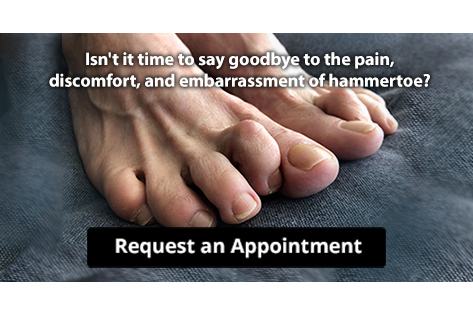
Painful deformities, such as hammertoes, can be treated. Stop living with foot pain, and have beautiful feet again!
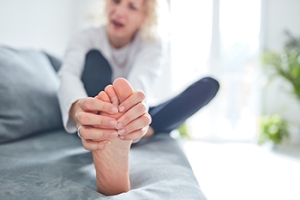
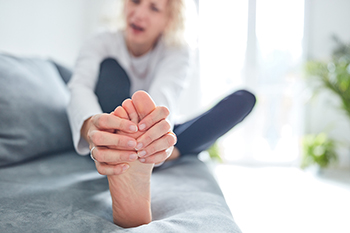
The feet are considered to be the foundation of the body and foot pain can affect the entire body. There are many reasons why foot pain develops and a leading cause may be arthritis. There are various types of arthritis with osteoarthritis being the most common. Osteoarthritis happens when the cartilage that is found between the bones and the joints of the ankle breaks down. Osteoarthritis can cause severe pain and discomfort, and many patients can experience a reduced range of motion. Juvenile arthritis affects children that are under 16 years old and may cause swollen joints. Another form of arthritis is the debilitating condition known as gout which affects the big toe. Gout can happen due to elevated build-up of uric acid causing crystals to form in the joints of the big toe. A condition that can affect the skin and joints is psoriatic arthritis and this may cause the toes to become swollen. If you have difficulty moving your feet, please schedule an appointment with a podiatrist who can provide you with an accurate diagnosis and correct treatment techniques.
Foot Pain
Foot pain can be extremely painful and debilitating. If you have a foot pain, consult with Roy Rothman, DPM from Florida. Our doctor will assess your condition and provide you with quality foot and ankle treatment.
Causes
Foot pain is a very broad condition that could be caused by one or more ailments. The most common include:
Diagnosis
To figure out the cause of foot pain, podiatrists utilize several different methods. This can range from simple visual inspections and sensation tests to X-rays and MRI scans. Prior medical history, family medical history, and any recent physical traumatic events will all be taken into consideration for a proper diagnosis.
Treatment
Treatment depends upon the cause of the foot pain. Whether it is resting, staying off the foot, or having surgery; podiatrists have a number of treatment options available for foot pain.
If you have any questions, please feel free to contact our office located in DeBary, FL . We offer the newest diagnostic and treatment technologies for all your foot care needs.
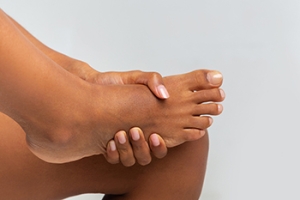
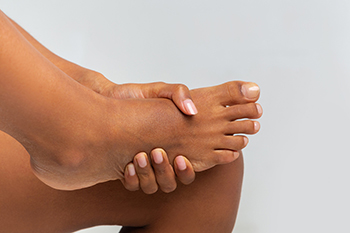
The tibial nerve connects the back of the leg to the inner ankle. Tarsal tunnel syndrome occurs when this nerve becomes pinched and can happen if an injury has occurred. It may also develop if a surrounding tendon becomes inflamed, or from rolling the ankle inward while running. Common symptoms that are generally associated with tarsal tunnel syndrome often include a soreness in the arch or sole of the foot, and the affected area may tingle or become numb. Temporary relief may be found when supportive shoes, custom made orthotics, or arch supports are worn. If you have pain in this part of your foot, it is strongly suggested that you consult with a podiatrist who can determine what the cause is, and offer correct treatment techniques.
Tarsal tunnel syndrome can be very uncomfortable to live with. If you are experiencing tarsal tunnel syndrome, contact Roy Rothman, DPM of Florida. Our doctor can provide the care you need to keep you pain-free and on your feet.
Tarsal Tunnel Syndrome
Tarsal tunnel syndrome, which can also be called tibial nerve dysfunction, is an uncommon condition of misfiring peripheral nerves in the foot. The tibial nerve is the peripheral nerve in the leg responsible for sensation and movement of the foot and calf muscles. In tarsal tunnel syndrome, the tibial nerve is damaged, causing problems with movement and feeling in the foot of the affected leg.
Common Cause of Tarsal Tunnel Syndrome
The Effects of Tarsal Tunnel Syndrome
A physical exam of the leg can help identify the presence of tarsal tunnel syndrome. Medical tests, such as a nerve biopsy, are also used to diagnose the condition. Patients may receive physical therapy and prescriptive medication. In extreme cases, some may require surgery.
If you have any questions please contact our office located in DeBary, FL . We offer the newest diagnostic and treatment technologies for all your foot and ankle needs.

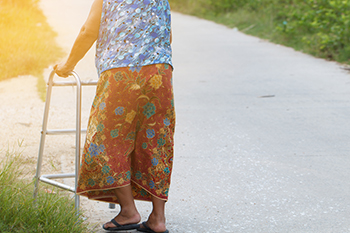
It can be common for older people to fall. Many patients who fall may escape from having a serious injury happen but can develop a fear of falling from the stress it can cause. One of the most effective fall prevention techniques is to wear shoes that fit correctly. This is instrumental in maintaining balance and possibly avoiding unwanted foot conditions. Additional methods can include getting routine physical and eye examinations which are helpful in monitoring existing medications and eyeglasses and frequently participating in a gentle exercise program. Some people also find it beneficial to install grab bars in the shower and toilet area, in addition to removing worn rugs and clutter from the living area. Eating small meals during the day may help to maintain proper energy and strength, and this may help to prevent falling. The feet may become injured when a fall occurs, which may cause difficulty in completing daily activities. If you would like to learn about the importance of implementing fall prevention techniques into your lifestyle, please confer with a podiatrist.
Preventing falls among the elderly is very important. If you are older and have fallen or fear that you are prone to falling, consult with Roy Rothman, DPM from Florida. Our doctor will assess your condition and provide you with quality advice and care.
Every 11 seconds, an elderly American is being treated in an emergency room for a fall related injury. Falls are the leading cause of head and hip injuries for those 65 and older. Due to decreases in strength, balance, senses, and lack of awareness, elderly persons are very susceptible to falling. Thankfully, there are a number of things older persons can do to prevent falls.
How to Prevent Falls
Some effective methods that older persons can do to prevent falls include:
Falling can be a traumatic and embarrassing experience for elderly persons; this can make them less willing to leave the house, and less willing to talk to someone about their fears of falling. Doing such things, however, will increase the likelihood of tripping or losing one’s balance. Knowing the causes of falling and how to prevent them is the best way to mitigate the risk of serious injury.
If you have any questions, please feel free to contact our office located in DeBary, FL . We offer the newest diagnostic and treatment technologies for all your foot care needs.
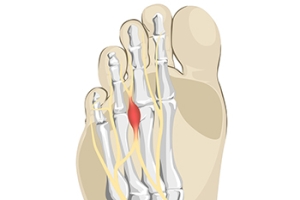
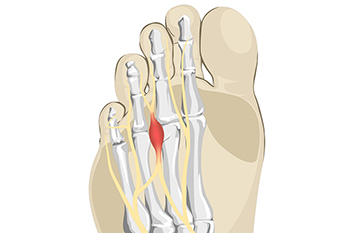
People who have experienced Morton’s neuroma are aware of the severe pain and discomfort it may cause. It is a foot condition that is caused by wearing shoes that are too tight. High heels can fall into this category, possibly causing pressure on the nerve that is found between the third and fourth toes. This nerve can become irritated and compressed, and refraining from wearing high heels may provide relief for some patients. Additionally, frequently resting the affected foot may lessen the symptoms, which can include a burning or tingling sensation, followed by a dull ache. A proper diagnosis is necessary to have effective treatment. This can consist of squeezing the affected area, and gauging the pain level. In severe cases, surgery may be necessary to repair or remove the damaged nerve. If you have pain in this part of your foot, it is strongly advised that you consult with a podiatrist who can determine what the best course of treatment is for you.
Morton’s neuroma is a very uncomfortable condition to live with. If you think you have Morton’s neuroma, contact Roy Rothman, DPM of Florida. Our doctor will attend to all of your foot care needs and answer any of your related questions.
Morton’s Neuroma
Morton's neuroma is a painful foot condition that commonly affects the areas between the second and third or third and fourth toe, although other areas of the foot are also susceptible. Morton’s neuroma is caused by an inflamed nerve in the foot that is being squeezed and aggravated by surrounding bones.
What Increases the Chances of Having Morton’s Neuroma?
Morton’s neuroma is a very treatable condition. Orthotics and shoe inserts can often be used to alleviate the pain on the forefront of the feet. In more severe cases, corticosteroids can also be prescribed. In order to figure out the best treatment for your neuroma, it’s recommended to seek the care of a podiatrist who can diagnose your condition and provide different treatment options.
If you have any questions, please feel free to contact our office located in DeBary, FL . We offer the newest diagnostic and treatment technologies for all your foot care needs.


 Follow Us