
Roy A. Rothman, DPM, PA
Podiatric Medicine and SurgeonFoot & Ankle Specialist


A broken toe occurs when one of the bones in the toe cracks due to trauma or repeated stress. Common causes include stubbing the toe, dropping a heavy object on the foot, or overuse in activities like running. Symptoms include swelling, bruising, pain, difficulty walking, or visible deformity. Risk factors include poor footwear, reduced bone density, and high-impact activities. A podiatrist can confirm the diagnosis through a physical exam and imaging, then recommend appropriate care such as splinting, immobilization, or, in some cases, surgery. If you suspect a broken toe, it is suggested that you make an immediate appointment with a podiatrist to receive expert treatment and prevent long-term complications.
Broken toes may cause a lot of pain and should be treated as soon as possible. If you have any concerns about your feet, contact Roy Rothman, DPM from Florida. Our doctor will treat your foot and ankle needs.
What Is a Broken Toe?
A broken toe occurs when one or more of the toe bones of the foot are broken after an injury. Injuries such as stubbing your toe or dropping a heavy object on it may cause a toe fracture.
Symptoms of a Broken Toe
Although the injured toe should be monitored daily, it is especially important to have a podiatrist look at your toe if you have severe symptoms. Some of these symptoms include worsening or new pain that is not relieved with medication, sores, redness, or open wounds near the toe.
If you have any questions please feel free to contact our office located in DeBary, FL . We offer the newest diagnostic tools and technology to treat your foot and ankle needs.


Have your child's feet been examined lately? Healthy feet are happy feet. If your child is complaining of foot pain, it may be a sign of underlying problems.


Athlete's foot is a fungal infection that affects the skin on the feet, often between the toes. There are three main types of athlete's foot infections. Interdigital occurs between the toes, moccasin forms on the soles and sides of the feet, and vesicular includes blister-like lesions. Athlete’s foot is caused by a fungus that thrives in warm, moist environments, such as sweaty shoes or communal shower areas. Symptoms include itching, burning, redness, and cracking of the skin. In some cases, blisters may form, and the skin can become thick and flaky. The infection is contagious and can spread to other areas of the body or to other people. A podiatrist can diagnose athlete's foot through a physical exam and may take a skin sample to confirm the presence of fungus. Treatment typically involves antifungal creams, powders, or oral medication, along with advice on proper foot hygiene and footwear. If you have this condition, it is suggested that you schedule an appointment with a podiatrist for effective treatment and prevention strategies.
Athlete’s Foot
Athlete’s foot is often an uncomfortable condition to experience. Thankfully, podiatrists specialize in treating athlete’s foot and offer the best treatment options. If you have any questions about athlete’s foot, consult with Roy Rothman, DPM from Florida. Our doctor will assess your condition and provide you with quality treatment.
What Is Athlete’s Foot?
Tinea pedis, more commonly known as athlete’s foot, is a non-serious and common fungal infection of the foot. Athlete’s foot is contagious and can be contracted by touching someone who has it or infected surfaces. The most common places contaminated by it are public showers, locker rooms, and swimming pools. Once contracted, it grows on feet that are left inside moist, dark, and warm shoes and socks.
Prevention
The most effective ways to prevent athlete’s foot include:
Symptoms
Athlete’s foot initially occurs as a rash between the toes. However, if left undiagnosed, it can spread to the sides and bottom of the feet, toenails, and if touched by hand, the hands themselves. Symptoms include:
Diagnosis and Treatment
Diagnosis is quick and easy. Skin samples will be taken and either viewed under a microscope or sent to a lab for testing. Sometimes, a podiatrist can diagnose it based on simply looking at it. Once confirmed, treatment options include oral and topical antifungal medications.
If you have any questions, please feel free to contact our office located in DeBary, FL . We offer the newest diagnostic and treatment technologies for all your foot care needs.
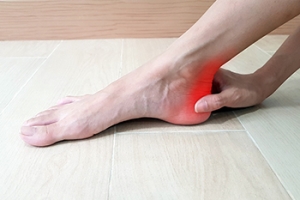

Achilles tendon pain can result from conditions like tendonitis, tendinosis, or a partial or complete tendon rupture. The Achilles tendon connects the calf muscles to the heel and is vital for walking, running, and jumping. Tendonitis is an acute inflammation, often triggered by sudden activity or repetitive strain, and may cause swelling, warmth, and pain. Tendinosis is a chronic condition caused by long-term overuse, which leads to gradual tendon degeneration. Symptoms include stiffness, aching, and pain that worsens with activity but eases with rest. The tendon may feel thickened, tender, or produce a creaking sensation. A rupture can occur suddenly, often during sports, and may feel like a sharp pain or a kick to the back of the leg. It often causes difficulty walking and may result in a visible gap in the tendon. Diagnosis typically involves ultrasound or MRI imaging. Treatment includes rest, orthotics, targeted exercises, or surgery, in severe cases. If you are experiencing heel or ankle pain, especially during or after physical activity, it is suggested that you consult a podiatrist for an accurate diagnosis and personalized treatment plan.
Many people suffer from bouts of heel pain. For more information, contact Roy Rothman, DPM of Florida. Our doctor can provide the care you need to keep you pain-free and on your feet.
Causes of Heel Pain
Heel pain is often associated with plantar fasciitis. The plantar fascia is a band of tissues that extends along the bottom of the foot. A rip or tear in this ligament can cause inflammation of the tissue.
Achilles tendonitis is another cause of heel pain. Inflammation of the Achilles tendon will cause pain from fractures and muscle tearing. Lack of flexibility is also another symptom.
Heel spurs are another cause of pain. When the tissues of the plantar fascia undergo a great deal of stress, it can lead to ligament separation from the heel bone, causing heel spurs.
Why Might Heel Pain Occur?
Treatments
Heel pain should be treated as soon as possible for immediate results. Keeping your feet in a stress-free environment will help. If you suffer from Achilles tendonitis or plantar fasciitis, applying ice will reduce the swelling. Stretching before an exercise like running will help the muscles. Using all these tips will help make heel pain a condition of the past.
If you have any questions, please feel free to contact our office located in DeBary, FL . We offer the newest diagnostic and treatment technologies for all your foot care needs.


Peripheral neuropathy involves damage to the nerves outside the brain and spinal cord, often affecting the feet. It is commonly caused by diabetes, but can also result from alcohol abuse, certain medication, infections, or vitamin deficiencies. Symptoms typically include a strong burning sensation, tingling, numbness, or sharp, shooting pain in the feet. You may also experience weakness, sensitivity to touch, or a pins and needles feeling. In some cases, the skin may appear red or feel unusually warm or cold. These symptoms can worsen over time, making walking and maintaining balance difficult. A podiatrist plays a key role in diagnosing and managing peripheral neuropathy. They may perform a neurological exam, nerve conduction studies, or blood tests to determine the cause. Treatment options include medication, topical creams, custom orthotics, and guidance on foot care to prevent complications like ulcers or infections. If you have this condition, it is suggested that you are under the care of a podiatrist who can help you with relief and management tips.
Neuropathy
Neuropathy can be a potentially serious condition, especially if it is left undiagnosed. If you have any concerns that you may be experiencing nerve loss in your feet, consult with Roy Rothman, DPM from Florida. Our doctor will assess your condition and provide you with quality foot and ankle treatment for neuropathy.
What Is Neuropathy?
Neuropathy is a condition that leads to damage to the nerves in the body. Peripheral neuropathy, or neuropathy that affects your peripheral nervous system, usually occurs in the feet. Neuropathy can be triggered by a number of different causes. Such causes include diabetes, infections, cancers, disorders, and toxic substances.
Symptoms of Neuropathy Include:
Those with diabetes are at serious risk due to being unable to feel an ulcer on their feet. Diabetics usually also suffer from poor blood circulation. This can lead to the wound not healing, infections occurring, and the limb may have to be amputated.
Treatment
To treat neuropathy in the foot, podiatrists will first diagnose the cause of the neuropathy. Figuring out the underlying cause of the neuropathy will allow the podiatrist to prescribe the best treatment, whether it be caused by diabetes, toxic substance exposure, infection, etc. If the nerve has not died, then it’s possible that sensation may be able to return to the foot.
Pain medication may be issued for pain. Electrical nerve stimulation can be used to stimulate nerves. If the neuropathy is caused from pressure on the nerves, then surgery may be necessary.
If you have any questions, please feel free to contact our office located in DeBary, FL . We offer the newest diagnostic and treatment technologies for all your foot care needs.


 Follow Us