
Roy A. Rothman, DPM, PA
Podiatric Medicine and SurgeonFoot & Ankle Specialist


Gout is a form of inflammatory arthritis that causes sudden and severe pain, swelling, and redness in the joints, often affecting the big toe. This condition arises from the accumulation of uric acid crystals in the joints, leading to intense inflammation. Various risk factors contribute to the development of gout, including a diet high in purines, obesity, excessive alcohol consumption, and certain medical conditions such as hypertension and diabetes. Diagnosis of gout typically involves a thorough medical history, a physical examination, and tests to measure uric acid levels in the blood. In some cases, a joint fluid analysis may be performed to confirm the presence of uric acid crystals. Early diagnosis and management are vital to prevent recurrent attacks and joint damage. Gout can be painful, hindering daily activities. If you have had one or more gout attacks, it is suggested that you are under the care of a podiatrist who can help you to manage this condition.
Gout is a foot condition that requires certain treatment and care. If you are seeking treatment, contact Roy Rothman, DPM from Florida. Our doctor will treat your foot and ankle needs.
What Is Gout?
Gout is a type of arthritis caused by a buildup of uric acid in the bloodstream. It often develops in the foot, especially the big toe area, although it can manifest in other parts of the body as well. Gout can make walking and standing very painful and is especially common in diabetics and the obese.
People typically get gout because of a poor diet. Genetic predisposition is also a factor. The children of parents who have had gout frequently have a chance of developing it themselves.
Gout can easily be identified by redness and inflammation of the big toe and the surrounding areas of the foot. Other symptoms include extreme fatigue, joint pain, and running high fevers. Sometimes corticosteroid drugs can be prescribed to treat gout, but the best way to combat this disease is to get more exercise and eat a better diet.
If you have any questions, please feel free to contact our office located in DeBary, FL . We offer the newest diagnostic and treatment technologies for all your foot care needs.


Gout is a painful, inflammatory form of arthritis. Those affected will typically feel an intense stiffness in the joints of their feet, particularly in the big toe. Schedule a visit to learn about how gout can be managed and treated.


Sesamoiditis is an inflammation of the sesamoid bones, which are small bones embedded within the tendons of the big toe. This condition typically arises due to repetitive stress or overuse, often experienced by athletes or individuals who engage in activities that involve pushing off the toes, such as running or ballet. Common symptoms include pain in the ball of the foot, swelling, and tenderness, particularly during movement or when pressure is applied. Affected individuals may also experience difficulty bearing weight or limited range of motion in the big toe. Factors contributing to sesamoiditis include wearing improper footwear, high-impact sports, and foot deformities like high arches or flat feet. Sesamoiditis can cause pain and discomfort, and it may become difficult to complete daily activities. If you have developed this condition, it is suggested that you are under the care of a podiatrist who can offer you appropriate treatment solutions.
Sesamoiditis is an unpleasant foot condition characterized by pain in the balls of the feet. If you think you’re struggling with sesamoiditis, contact Roy Rothman, DPM of Florida. Our doctor will treat your condition thoroughly and effectively.
Sesamoiditis
Sesamoiditis is a condition of the foot that affects the ball of the foot. It is more common in younger people than it is in older people. It can also occur with people who have begun a new exercise program, since their bodies are adjusting to the new physical regimen. Pain may also be caused by the inflammation of tendons surrounding the bones. It is important to seek treatment in its early stages because if you ignore the pain, this condition can lead to more serious problems such as severe irritation and bone fractures.
Causes of Sesamoiditis
Treatment for sesamoiditis is non-invasive and simple. Doctors may recommend a strict rest period where the patient forgoes most physical activity. This will help give the patient time to heal their feet through limited activity. For serious cases, it is best to speak with your doctor to determine a treatment option that will help your specific needs.
If you have any questions, please feel free to contact our office located in DeBary, FL . We offer the newest diagnostic and treatment technologies for all your foot care needs.

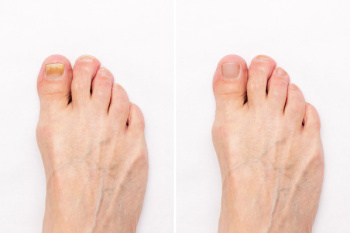
Toenail abnormalities can indicate underlying health issues and can include clubbed nails, fungal infections, trauma, and ingrown toenails. Clubbed nails appear enlarged and curved, often linked to respiratory or cardiovascular conditions. Trauma to the toenail can result from injuries, leading to discoloration, pain, or even loss of the nail. Fungal infections thrive in warm, moist environments and can cause thickening, discoloration, and brittleness of the nail. Ingrown toenails occur when the nail grows into the surrounding skin, causing pain, swelling, and potential infection. Additionally, nail-patella syndrome, a genetic disorder, may appear with abnormal toenails alongside other skeletal issues. If you notice changes in your toenails, it is strongly suggested that you consult a podiatrist who can determine the cause and offer effective treatment solutions.
Toe pain can disrupt your daily activities. If you have any concerns, contact Roy Rothman, DPM of Florida. Our doctor can provide the care you need to keep you pain-free and on your feet.
What Causes Toe Pain?
Most severe toe pain is caused due to a sports injury, trauma from dropping something heavy on the toe, or bumping into something rigid. Other problems can develop over time for various reasons.
Toe pain can be caused by one or more ailments. The most common include:
When to See a Podiatrist
Diagnosis
In many cases the cause of toe pain is obvious, but in others, a podiatrist may want to use more advanced methods to determine the problem. These can range from simple visual inspections and sensation tests to X-rays and MRI scans. Prior medical history, family medical history, and any recent physical traumatic events will all be taken into consideration for a proper diagnosis.
Treatment
Treatments for toe pain and injuries vary and may include shoe inserts, padding, taping, medicines, injections, and in some cases, surgery. If you believe that you have broken a toe, please see a podiatrist as soon as possible.
If you have any questions please contact our office located in DeBary, FL . We offer the newest diagnostic and treatment technologies for all your foot and ankle needs.
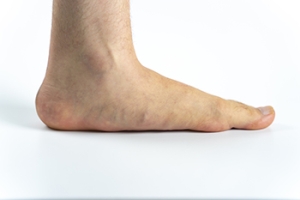

Pes planus, commonly known as flat feet, occurs when the medial longitudinal arch of the foot collapses. This results in the entire sole making contact with the ground, which leads to a flat appearance. Various factors contribute to the development of pes planus. Genetic predisposition plays a significant role, as some individuals inherit a tendency for weak arches. Additionally, obesity places excess strain on the feet, weakening the arch over time. Other causes include injuries or conditions that damage the tendons supporting the arch, such as posterior tibial tendon dysfunction. Chronic conditions like diabetes and rheumatoid arthritis can also contribute to the loss of the arch. If you have flat feet, it is suggested that you are under the care of a podiatrist who can offer you comfort options help you to manage this condition.
Flatfoot is a condition many people suffer from. If you have flat feet, contact Roy Rothman, DPM from Florida. Our doctor will treat your foot and ankle needs.
What Are Flat Feet?
Flatfoot is a condition in which the arch of the foot is depressed and the sole of the foot is almost completely in contact with the ground. About 20-30% of the population generally has flat feet because their arches never formed during growth.
Conditions & Problems:
Having flat feet makes it difficult to run or walk because of the stress placed on the ankles.
Alignment – The general alignment of your legs can be disrupted, because the ankles move inward which can cause major discomfort.
Knees – If you have complications with your knees, flat feet can be a contributor to arthritis in that area.
Symptoms
Treatment
If you are experiencing pain and stress on the foot you may weaken the posterior tibial tendon, which runs around the inside of the ankle.
If you have any questions, please feel free to contact our office located in DeBary, FL . We offer the newest diagnostic and treatment technologies for all your foot care needs.
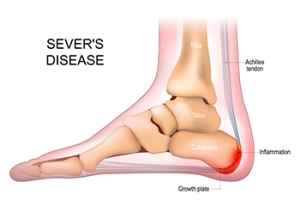

Sever's disease, also known as calcaneal apophysitis, is an overuse injury that affects the growth plate in the heel of growing children and adolescents, usually between the ages of eight and 15. It occurs when repetitive stress or pressure on the heel bone, often from sports or physical activities, causes inflammation and pain in the heel. Sever's disease is common in children who are physically active and going through growth spurts, as the bones grow faster than the muscles and tendons, leading to increased tension on the heel. It manifests as heel pain, swelling, and tenderness, particularly during or after physical activity. Treatment focuses on reducing activity levels and wearing supportive footwear or orthotics. Most children outgrow the condition once their bones stop growing. If your child has heel pain that is persistent, it is suggested that an appointment be made with a podiatrist for a proper diagnosis and treatment to alleviate pain.
Sever's disease often occurs in children and teens. If your child is experiencing foot or ankle pain, see Roy Rothman, DPM from Florida. Our doctor can treat your child’s foot and ankle needs.
Sever’s Disease
Sever’s disease is also known as calcaneal apophysitis, which is a medical condition that causes heel pain I none or both feet. The disease is known to affect children between the ages of 8 and 14.
Sever’s disease occurs when part of the child’s heel known as the growth plate (calcaneal epiphysis) is attached to the Achilles tendon. This area can suffer injury when the muscles and tendons of the growing foot do not keep pace with bone growth. Therefore, the constant pain which one experiences at the back of the heel will make the child unable to put any weight on the heel. The child is then forced to walk on their toes.
Symptoms
Acute pain – Pain associated with Sever’s disease is usually felt in the heel when the child engages in physical activity such as walking, jumping and or running.
Highly active – Children who are very active are among the most susceptible in experiencing Sever’s disease, because of the stress and tension placed on their feet.
If you have any questions, please feel free to contact our office located in DeBary, FL . We offer the newest diagnostic and treatment technologies for all your foot care needs.


 Follow Us