
Roy A. Rothman, DPM, PA
Podiatric Medicine and SurgeonFoot & Ankle Specialist
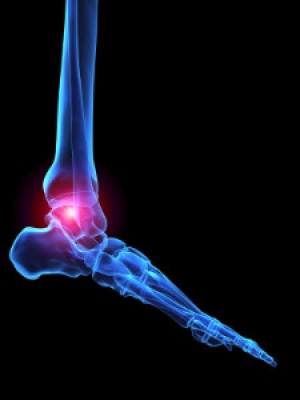
Psoriasis is a disease in which the body’s immune system malfunctions and attacks healthy tissue and producing an overabundance of skin cells. Outwardly, the disease causes red patches and scales on the skin. Inwardly, the disease may also cause inflammation, pain, and stiffness in joints and areas where ligaments and tendons connect with bones. This is known as psoriatic arthritis. Psoriatic arthritis often occurs in the feet with symptoms such as swollen toes (dactylis), heel pain, plantar fasciitis, and changes in the toenail. A podiatrist may perform various tests to help rule out other conditions such as gout, toenail fungus and rheumatoid arthritis which have similar symptoms. A variety of treatments, medicine, and orthotics may be used to help relieve pain and inflammation, and improve mobility.
Arthritis can be a difficult condition to live with. If you are seeking treatment, contact Roy Rothman, DPM from Florida. Our doctor can provide the care you need to keep you pain-free and on your feet.
Arthritic Foot Care
Arthritis is a term that is commonly used to describe joint pain. The condition itself can occur to anyone of any age, race, or gender, and there are over 100 types of it. Nevertheless, arthritis is more commonly found in women compared to men, and it is also more prevalent in those who are overweight. The causes of arthritis vary depending on which type of arthritis you have. Osteoarthritis for example, is often caused by injury, while rheumatoid arthritis is caused by a misdirected immune system.
Symptoms
Arthritic symptoms range in severity, and they may come and go. Some symptoms stay the same for several years but could potentially get worse with time. Severe cases of arthritis can prevent its sufferers from performing daily activities and make walking difficult.
Risk Factors
If you suspect your arthritis is affecting your feet, it is crucial that you see a podiatrist immediately. Your doctor will be able to address your specific case and help you decide which treatment method is best for you.
If you have any questions, please feel free to contact our office located in DeBary, FL . We offer the newest diagnostic and treatment technologies for all your foot care needs.


When you think of running injuries you may visualize a broken or sprained ankle, shin splint, pulled muscle, plantar fasciitis, hamstring injury, or Achilles tendonitis. However, injuries to the toenail (such as runner’s toenail) can also be quite painful and disruptive, and should not be overlooked. Runner’s toenail, also known as black toenail, or subungual hematoma, occurs when a build-up of blood under the nail causes it to become discolored or blackened. This can occur from an acute blow to the toe or from the repetitive force that running can sometimes place on the toes. Runner’s toe can be a very painful condition which may result in the toenail eventually falling off. To help prevent this from happening, runners can make sure their sneakers are not too loose (which may cause the foot to slip forward), and not too tight (which restricts room in the toe box). Also, lacing shoes in a specific way can help retain the heel in the heel cup, and keeping toenails trimmed (but not too short) will prevent them from hitting the tip of the shoe repeatedly. For more footwear advice, or for the proper treatment of runner’s toenail and any other running injury, make an appointment with a podiatrist.
Exercising your feet regularly with the proper foot wear is a great way to prevent injuries. If you have any concerns about your feet, contact Roy Rothman, DPM of Florida. Our doctor will treat your foot and ankle needs.
How to Prevent Running Injuries
Many common running injuries are caused by overuse and overtraining. When the back of the kneecap starts wearing out and starts causing pain in your knee, this is commonly referred to as runner’s knee. Runner’s knee is a decrease in strength in your quadriceps and can occur if you’re not wearing properly fitted or supporting shoes. To prevent runner’s knee, focusing on hip strengthening is a good idea, as well as strengthening your quads to keep the kneecaps aligned.
What Are Some Causes of Running Injuries?
- One cause of a common running injury is called iliotibial band syndrome.
- Plantar fasciitis is also another common injury.
- Stress fractures can occur from overtraining, lack of calcium, or even your running style.
Best Ways to Prevent Running Injuries
- Wear footwear that fits properly and suits your running needs.
- Running shoes are the only protective gear that runners have to safeguard them from injury.
- Make a training schedule. Adding strengthening exercises as well as regular stretching can help keep you strong and limber and can lessen the possibility of injuries.
- Stretching keeps muscles limber; this will help you gain better flexibility.
If you have any questions, please feel free to contact our office located in DeBary, FL . We offer the newest diagnostic and treatment technologies for all your foot care needs.

 Cracked heels, also known as heel fissures, occur when the skin on the heel splits or cracks. As it dries, the heel’s skin loses its strength and elasticity, and becomes hard, dry, and flaky. Common causes of cracked heels include long periods of standing, poorly fitting shoes, dry and cold weather, or obesity. Patients who are struggling with dry and cracked heels should frequently apply moisturizer to the heels, avoid harsh soaps, avoid long harsh showers, use a pumice stone, or use a liquid bandage. However, in severe cases of cracked heels, the help of a podiatrist may be necessary. A podiatrist can help remove dead skin, prescribe stronger softening medications, prescribe antibiotics for infections, and recommend shoe inserts or heel pads. Therefore, if you are struggling with cracked heels don’t hesitate to visit a podiatrist for treatment recommendations!
Cracked heels are unsightly and can cause further damage to your shoes and feet. If you have any concerns, contact Roy Rothman, DPM from Florida. Our doctor can provide the care you need to keep you pain-free and on your feet.
Cracked Heels
Cracked heels appear unappealing and can make it harder for you walk around in sandals. Aside from looking unpleasant, cracked heels can also tear stockings, socks, and wear out your shoes. There are several methods to help restore a cracked heel and prevent further damage.
How Do You Get Them?
Dry skin is the number one culprit in creating cracked heels. Many athletes, walkers, joggers, and even swimmers suffer from cracked heels. Age and skin oil production play a role to getting cracked heels as well.
Promote Healing
Over the counter medicines can help, especially for those that need instant relief or who suffer from chronic dry feet.
Wear Socks – Wearing socks with medicated creams helps lock in moisture.
Moisturizers – Applying both day and night will help alleviate dryness which causes cracking.
Pumice Stones – These exfoliate and remove dead skin, which allows for smoother moisturizer application and better absorption into the skin.
Change in Diet
Eating healthy with a well-balanced diet will give the skin a fresh and radiant look. Your body responds to the kinds of food you ingest. Omega-3 fatty acids and zinc supplements can also revitalize skin tissue.
Most importantly, seek professional help if unsure how to proceed in treating cracked heels. A podiatrist will help you with any questions or information needed.
If you have any questions, please feel free to contact our office located in DeBary, FL . We offer the newest diagnostic and treatment technologies for all your foot care needs.

 Tarsal tunnel syndrome is a condition in which the posterior tibial nerve, which runs through an area called the tarsal tunnel along the inside of the ankle, is compressed. This often occurs with other foot problems, such as plantar fasciitis or acquired flat foot. Tarsal tunnel syndrome causes sharp, shooting, electrical, dull, or burning pain sensations on the inner side of the ankle and in the heel. Treatment is almost always non-surgical and includes wearing comfortable shoes or orthotics, doing stretching exercises, modifying your daily activities to limit standing and walking while you heal, and taking nonsteroidal anti-inflammatory drugs to reduce pain. To learn more about treatment options for tarsal tunnel syndrome, please consult with a podiatrist.
Tarsal tunnel syndrome can be very uncomfortable to live with. If you are experiencing tarsal tunnel syndrome, contact Roy Rothman, DPM of Florida. Our doctor can provide the care you need to keep you pain-free and on your feet.
Tarsal Tunnel Syndrome
Tarsal tunnel syndrome, which can also be called tibial nerve dysfunction, is an uncommon condition of misfiring peripheral nerves in the foot. The tibial nerve is the peripheral nerve in the leg responsible for sensation and movement of the foot and calf muscles. In tarsal tunnel syndrome, the tibial nerve is damaged, causing problems with movement and feeling in the foot of the affected leg.
Common Cause of Tarsal Tunnel Syndrome
The Effects of Tarsal Tunnel Syndrome
A physical exam of the leg can help identify the presence of tarsal tunnel syndrome. Medical tests, such as a nerve biopsy, are also used to diagnose the condition. Patients may receive physical therapy and prescriptive medication. In extreme cases, some may require surgery.
If you have any questions please contact our office located in DeBary, FL . We offer the newest diagnostic and treatment technologies for all your foot and ankle needs.


Your feet are covered most of the day. If you're diabetic, periodic screening is important for good health. Numbness is often a sign of diabetic foot and can mask a sore or wound.
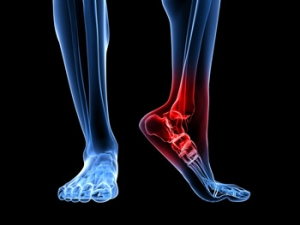
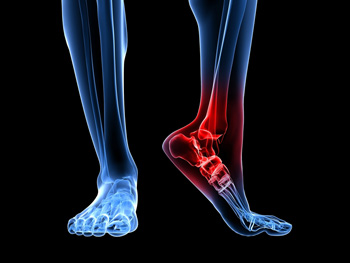 The calcaneus is another name for the heel bone, located at the back of the foot. Sometimes, an injury to this area can be severe enough to cause tiny cracks to appear in the bone. This type of stress fracture may occur due to repetitive stress to the heel bone from activities such as running, or due to sudden, high-stress injuries, such as a car accident, a fall from a high position, or a traumatic twisting of the ankle. The symptoms of a calcaneal stress fracture include heel pain, swelling, tenderness, and difficulty walking. If you are experiencing the symptoms of a calcaneal stress fracture, please see a podiatrist.
A broken foot requires immediate medical attention and treatment. If you need your feet checked, contact Roy Rothman, DPM from Florida. Our doctor can provide the care you need to keep you pain-free and on your feet.
Broken Foot Causes, Symptoms, and Treatment
A broken foot is caused by one of the bones in the foot typically breaking when bended, crushed, or stretched beyond its natural capabilities. Usually the location of the fracture indicates how the break occurred, whether it was through an object, fall, or any other type of injury.
Common Symptoms of Broken Feet:
Those that suspect they have a broken foot shoot seek urgent medical attention where a medical professional could diagnose the severity.
Treatment for broken bones varies depending on the cause, severity and location. Some will require the use of splints, casts or crutches while others could even involve surgery to repair the broken bones. Personal care includes the use of ice and keeping the foot stabilized and elevated.
If you have any questions, please feel free to contact our office located in DeBary, FL . We offer the newest diagnostic and treatment technologies for all your foot care needs.


 Follow Us