
Roy A. Rothman, DPM, PA
Podiatric Medicine and SurgeonFoot & Ankle Specialist
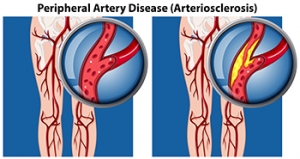
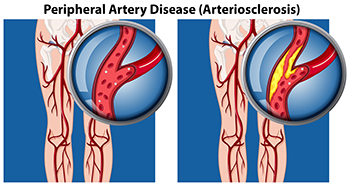
Buerger disease is a condition where the small and medium blood vessels in the arms and legs become inflamed and blocked, resulting in vasculitis. The blood flow is reduced to the affected areas of the body and tissue damage can ensue. Symptoms of this disease include coldness and numbness, in addition to tingling or burning. Changes to the texture and color of the skin may be noticed, along with painful muscle cramps, and skin ulcers. Research has indicated that Buerger disease may be common among tobacco users. Some people might have a genetic predisposition to this ailment, or it can be an autoimmune disease. If you have symptoms of this disease or are experiencing unusual sensations in your lower limbs, it is suggested that you consult a podiatrist for a proper diagnosis and treatment.
Some foot conditions may require additional professional care. If you have any concerns, contact Roy Rothman, DPM of Florida. Our doctor can provide the care you need to keep you pain-free and on your feet.
Rare Foot Conditions
The majority of foot conditions are common and can be treated by a podiatrist. Standard diagnostic procedures are generally used to identify specific conditions and treatment can be rendered. A podiatrist also treats rare foot conditions which can be difficult to diagnose and may need extra attention and care.
There are many rare foot conditions that can affect children. Some of these can include:
Freiberg’s disease - This can be seen as a deterioration and flattening of a metatarsal bone that exists in the ball of the foot. It typically affects pre-teen and teenage girls, but can affect anyone at any age. Symptoms that can accompany this can be swelling, stiffness, and the patient may limp.
Kohler’s disease - This often targets the bone in the arch of the foot and affects younger boys. It can lead to an interruption of the blood supply which ultimately can lead to bone deterioration. The patient may limp or experience tenderness, swelling, and redness.
Maffucci syndrome - This affects the long bones in a child’s foot leading to the development of abnormal bone lesions. They are benign growths and typically develop in early childhood and the bones may be susceptible to breaking.
A podiatrist can properly diagnose and treat all types of rare foot conditions. If your child is affected by any of these symptoms or conditions, please don’t hesitate to call our office so the correct treatment method can begin.
If you have any questions please feel free to contact our office located in DeBary, FL . We offer the newest diagnostic tools and technology to treat your foot and ankle needs.


Plantar warts are small growths that develop on parts of the feet that bear weight. They're typically found on the bottom of the foot. Don't live with plantar warts, and call us today!
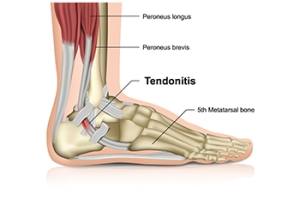
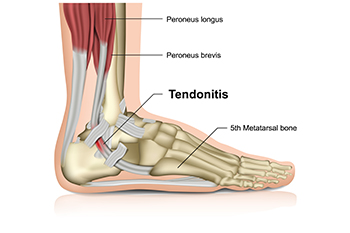
Many problems can affect the Achilles tendon. Inflammation of the Achilles tendon is known as Achilles Tendonitis and is the most common injury to this site. It is generally caused by intense or excessive physical activity. If this condition is not treated properly, other afflictions can develop, such as Achilles tendinopathy where there is degeneration or damage to the collagen in the Achilles tendon, Achilles tendinosis where there are micro-tears to the tendon, and an Achilles tendon rupture where there is a partial or complete tear to the tendon. Symptoms of Achilles tendon issues include tightness, pain, weakness, and mobility issues. A variety of exercises can be done to generate healing and improve mobility. If you suffer from Achilles tendon discomfort, you should seek the counsel of a podiatrist for proper a diagnosis and treatment plan.
Achilles tendon injuries need immediate attention to avoid future complications. If you have any concerns, contact Roy Rothman, DPM of Florida. Our doctor can provide the care you need to keep you pain-free and on your feet.
What Is the Achilles Tendon?
The Achilles tendon is a tendon that connects the lower leg muscles and calf to the heel of the foot. It is the strongest tendon in the human body and is essential for making movement possible. Because this tendon is such an integral part of the body, any injuries to it can create immense difficulties and should immediately be presented to a doctor.
What Are the Symptoms of an Achilles Tendon Injury?
There are various types of injuries that can affect the Achilles tendon. The two most common injuries are Achilles tendinitis and ruptures of the tendon.
Achilles Tendinitis Symptoms
Rupture Symptoms
Treatment and Prevention
Achilles tendon injuries are diagnosed by a thorough physical evaluation, which can include an MRI. Treatment involves rest, physical therapy, and in some cases, surgery. However, various preventative measures can be taken to avoid these injuries, such as:
If you have any questions please feel free to contact our office located in DeBary, FL . We offer the newest diagnostic tools and technology to treat your foot and ankle needs.


People who walk for exercise often opt for running shoes because of the cushion and support they provide for high-impact activity. However, when choosing running shoes for walking, it is important to pay attention to specialized shoes that would not be appropriate, such as shoes for race running or a running gait. Thinking about the typical terrain of walks should factor into shoe selection as well. Stability is more important in running shoes for secure walking. Most running shoes are made for pavement, but if walking is done on trails or off concrete, walking shoes may be a better choice. Trying on different brands and styles of shoes is recommended. Shoes that allow for a little room between the toes and the end of the shoe or allow for the natural swelling of feet as the day goes on are important. The ultimate shoe should also breathe well for coolness, and improve cracked heels. Professional treatment from a podiatrist is highly recommended. This is especially important if one has diabetes. Those with diabetes often have neuropathy in their feet making it hard to feel important sensations, such as pain from cuts or sores. Shoe selection is a personal decision and comfort should be the top priority. If you would like more information on the type of shoe you should consider for the activities you do, consult with a podiatrist.
For more information about walking shoes versus running shoes, consult with Roy Rothman, DPM from Florida. Our doctor can measure your feet to determine what your needs are and help you find an appropriate pair of footwear.
Foot Health: The Differences between Walking & Running Shoes
There are great ways to stay in shape: running and walking are two great exercises to a healthy lifestyle. It is important to know that running shoes and walking shoes are not interchangeable. There is a key difference on how the feet hit the ground when someone is running or walking. This is why one should be aware that a shoe is designed differently for each activity.
You may be asking yourself what the real differences are between walking and running shoes and the answers may shock you.
Differences
Walking doesn’t involve as much stress or impact on the feet as running does. However, this doesn’t mean that you should be any less prepared. When you’re walking, you land on your heels and have your foot roll forward. This rolling motion requires additional support to the feet.
Flexibility – Walking shoes are designed to have soft, flexible soles. This allows the walker to push off easily with each step.
If you have any questions, please feel free to contact our office located in DeBary, FL . We offer the newest diagnostic and treatment technologies for all your foot care needs.
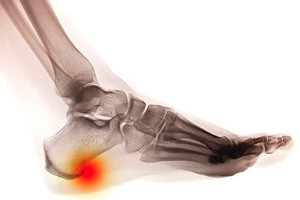
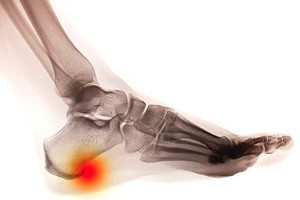
A heel spur is a bony growth on the calcaneus, or heel bone, that often extends into the arch of the foot. Though this can become painful, many people have heel spurs and are unaware of them. Heel spurs are often associated with plantar fasciitis, which is the inflammation of the band of tissue that connects the heel to the ball of the foot. Heel spurs, which are calcium deposits, develop over a period of time. They can be the result of continual stretching of the plantar fascia or repeated tearing of the membrane that covers the heel bone. Heel spurs are especially common among runners and other athletes who do a lot of jumping. Other risk factors are running on hard surfaces, footwear that does not provide proper heel cushioning or arch support, and excess weight or obesity. In addition, people who spend a great part of the day on their feet may be more likely to develop heel spurs. Seniors, people with diabetes, and anyone with arch problems also may be more at risk. If heel spurs are causing pain and interfering with your daily activities, it is suggested that you consult a podiatrist for an exam and treatment options.
Heel spurs can be incredibly painful and sometimes may make you unable to participate in physical activities. To get medical care for your heel spurs, contact Roy Rothman, DPM from Florida. Our doctor will do everything possible to treat your condition.
Heels Spurs
Heel spurs are formed by calcium deposits on the back of the foot where the heel is. This can also be caused by small fragments of bone breaking off one section of the foot, attaching onto the back of the foot. Heel spurs can also be bone growth on the back of the foot and may grow in the direction of the arch of the foot.
Older individuals usually suffer from heel spurs and pain sometimes intensifies with age. One of the main condition's spurs are related to is plantar fasciitis.
Pain
The pain associated with spurs is often because of weight placed on the feet. When someone is walking, their entire weight is concentrated on the feet. Bone spurs then have the tendency to affect other bones and tissues around the foot. As the pain continues, the feet will become tender and sensitive over time.
Treatments
There are many ways to treat heel spurs. If one is suffering from heel spurs in conjunction with pain, there are several methods for healing. Medication, surgery, and herbal care are some options.
If you have any questions, please feel free to contact our office located in DeBary, FL . We offer the newest diagnostic and treatment technologies for all your foot care needs.


 Follow Us