
Roy A. Rothman, DPM, PA
Podiatric Medicine and SurgeonFoot & Ankle Specialist


High heels have a fascinating history, originating in the 16th century when Persian cavalrymen wore them to secure their feet in stirrups. By the 17th century, high heels became a symbol of aristocracy in Europe, with both men and women sporting them. Today, high heels are primarily a fashion statement, but they drastically alter how we walk. Wearing high heels shifts your weight forward, changing your natural gait and forcing you to walk with a more rigid posture. This altered gait can strain the feet, knees, and lower back, leading to discomfort and potential long-term issues. Understanding this shift in movement helps to appreciate the balance between style and foot health, encouraging more mindful choices in footwear. Wearing high heels may cause foot conditions to develop. If this has happened to you, it is suggested that you consult a podiatrist who can guide you toward a treatment plan.
If you have any concerns about your feet, contact Roy Rothman, DPM from Florida. Our doctor can provide the care you need to keep you pain-free and on your feet.
Biomechanics in Podiatry
Podiatric biomechanics is a particular sector of specialty podiatry with licensed practitioners who are trained to diagnose and treat conditions affecting the foot, ankle and lower leg. Biomechanics deals with the forces that act against the body, causing an interference with the biological structures. It focuses on the movement of the ankle, the foot and the forces that interact with them.
A History of Biomechanics
Modern technological improvements are based on past theories and therapeutic processes that provide a better understanding of podiatric concepts for biomechanics. Computers can provide accurate information about the forces and patterns of the feet and lower legs.
Understanding biomechanics of the feet can help improve and eliminate pain, stopping further stress to the foot.
If you have any questions please feel free to contact our office located in DeBary, FL . We offer the newest diagnostic and treatment technologies for all your foot and ankle needs.


Have you noticed a bony protrusion on the side of your big toe? If so, you may have developed the foot condition known as a bunion. Don't let bunions interfere with your daily activities.


A broken foot occurs when one or more of the bones in the foot are fractured, often due to trauma, such as a fall, car accident, or sports injury. Symptoms typically include intense pain, swelling, bruising, and difficulty walking or bearing weight. The severity of the fracture, its location, and the treatment approach all influence healing time. Generally, a simple fracture can take six to eight weeks to heal, while more complex fractures may require several months, especially if surgery is needed. During the healing process, immobilization with a cast or boot is usually prescribed, and in some cases, crutches are provided to avoid putting weight on the foot. If you have broken your foot, it is suggested that you schedule an appointment with a podiatrist and follow their instructions to ensure proper healing and avoid complications.
A broken foot requires immediate medical attention and treatment. If you need your feet checked, contact Roy Rothman, DPM from Florida. Our doctor can provide the care you need to keep you pain-free and on your feet.
Broken Foot Causes, Symptoms, and Treatment
A broken foot is caused by one of the bones in the foot typically breaking when bended, crushed, or stretched beyond its natural capabilities. Usually the location of the fracture indicates how the break occurred, whether it was through an object, fall, or any other type of injury.
Common Symptoms of Broken Feet:
Those that suspect they have a broken foot shoot seek urgent medical attention where a medical professional could diagnose the severity.
Treatment for broken bones varies depending on the cause, severity and location. Some will require the use of splints, casts or crutches while others could even involve surgery to repair the broken bones. Personal care includes the use of ice and keeping the foot stabilized and elevated.
If you have any questions, please feel free to contact our office located in DeBary, FL . We offer the newest diagnostic and treatment technologies for all your foot care needs.


Running shoes and walking shoes are designed with distinct features tailored to their respective activities. Running shoes are built to handle the higher impact forces of running, featuring more cushioning in the heel to absorb shock and provide support during each stride. They often have a more pronounced heel-to-toe drop, which promotes a forward motion. In contrast, walking shoes are designed for lower impact and typically have a flatter sole, offering even cushioning and greater flexibility. The emphasis in walking shoes is on stability and comfort for the repetitive heel-to-toe motion of walking. Additionally, walking shoes usually have a more rigid midsole to support the arch and enhance stability. Choosing the appropriate shoe based on your activity helps prevent injury and ensures better performance and comfort. If you have endured a foot or ankle injury from wearing the wrong type of shoes, it is suggested that you consult a podiatrist who can treat various foot conditions, and guide you on which shoes to buy for your desired activity.
For more information about walking shoes versus running shoes, consult with Roy Rothman, DPM from Florida. Our doctor can measure your feet to determine what your needs are and help you find an appropriate pair of footwear.
Foot Health: The Differences between Walking & Running Shoes
There are great ways to stay in shape: running and walking are two great exercises to a healthy lifestyle. It is important to know that running shoes and walking shoes are not interchangeable. There is a key difference on how the feet hit the ground when someone is running or walking. This is why one should be aware that a shoe is designed differently for each activity.
You may be asking yourself what the real differences are between walking and running shoes and the answers may shock you.
Differences
Walking doesn’t involve as much stress or impact on the feet as running does. However, this doesn’t mean that you should be any less prepared. When you’re walking, you land on your heels and have your foot roll forward. This rolling motion requires additional support to the feet.
Flexibility – Walking shoes are designed to have soft, flexible soles. This allows the walker to push off easily with each step.
If you have any questions, please feel free to contact our office located in DeBary, FL . We offer the newest diagnostic and treatment technologies for all your foot care needs.

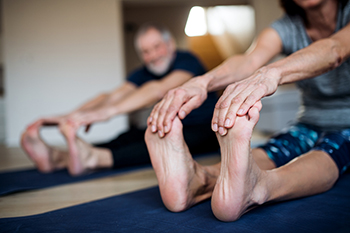
Plantar fasciitis is a common cause of heel pain, primarily resulting from inflammation of the plantar fascia, the thick band of tissue running along the bottom of the foot. Common causes can include excessive stress from high-impact activities, prolonged standing, wearing unsupportive footwear, or being overweight. Symptoms typically include a sharp, stabbing pain in the heel, especially noticeable with the first steps in the morning or after prolonged periods of rest. Treatment focuses on reducing inflammation and relieving pain. Effective stretches include the calf stretch, where you press against a wall with one leg forward and the other extended back. Another is the plantar fascia stretch, where you pull your toes toward your shin while seated. Wearing supportive shoes or custom orthotics, in addition to performing these stretches, can provide significant relief. If you are experiencing symptoms of plantar fasciitis, it is suggested you schedule an appointment with a podiatrist for expert care to effectively manage your condition and improve your foot health.
Plantar fasciitis is a common foot condition that is often caused by a strain injury. If you are experiencing heel pain or symptoms of plantar fasciitis, contact Roy Rothman, DPM from Florida. Our doctor can provide the care you need to keep you pain-free and on your feet.
What Is Plantar Fasciitis?
Plantar fasciitis is one of the most common causes of heel pain. The plantar fascia is a ligament that connects your heel to the front of your foot. When this ligament becomes inflamed, plantar fasciitis is the result. If you have plantar fasciitis you will have a stabbing pain that usually occurs with your first steps in the morning. As the day progresses and you walk around more, this pain will start to disappear, but it will return after long periods of standing or sitting.
What Causes Plantar Fasciitis?
There are some risk factors that may make you more likely to develop plantar fasciitis compared to others. The condition most commonly affects adults between the ages of 40 and 60. It also tends to affect people who are obese because the extra pounds result in extra stress being placed on the plantar fascia.
Prevention
There are a variety of treatment options available for plantar fasciitis along with the pain that accompanies it. Additionally, physical therapy is a very important component in the treatment process. It is important that you meet with your podiatrist to determine which treatment option is best for you.
If you have any questions, please feel free to contact our office located in DeBary, FL . We offer the newest diagnostic and treatment technologies for all your foot care needs.


 Follow Us