
Roy A. Rothman, DPM, PA
Podiatric Medicine and SurgeonFoot & Ankle Specialist

 A stress fracture is a tiny crack in a bone that often occur in the feet as a result of overuse while playing sports or doing activities that involve running or jumping. Everyday activities can also lead to stress fractures in people with weakened bones. Pain, tenderness, and swelling are usually the first indications of a stress fracture. These symptoms should not be ignored, as stress fractures may worsen over time if left untreated. A podiatrist can diagnose a stress fracture by taking a thorough medical history, completing a physical examination, and ordering imaging studies such as X-rays or bone scans. If you suspect that you may have a stress fracture in your foot or ankle, please see a podiatrist.
Activities where too much pressure is put on the feet can cause stress fractures. To learn more, contact Roy Rothman, DPM from Florida. Our doctor can provide the care you need to keep your pain free and on your feet.
Dealing with Stress Fractures of the Foot and Ankle
Stress fractures occur in the foot and ankle when muscles in these areas weaken from too much or too little use. The feet and ankles then lose support when walking or running from the impact of the ground. Since there is no protection, the bones receive the full impact of each step. Stress on the feet can cause cracks to form in the bones, thus creating stress fractures.
What Are Stress Fractures?
Stress fractures occur frequently in individuals whose daily activities cause great impact on the feet and ankles. Stress factors are most common among:
Symptoms
Pain from the fractures occur in the area of the fractures and can be constant or intermittent. It will often cause sharp or dull pain with swelling and tenderness. Engaging in any kind of activity which involves high impact will aggravate pain.
If you have any questions please contact our office located in DeBary, FL . We offer the newest diagnostic and treatment technologies for all your foot and ankle needs.
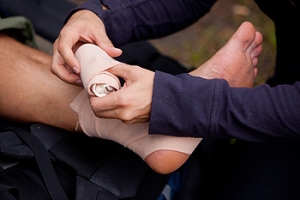
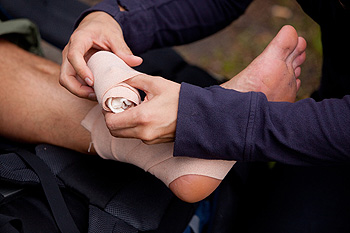 Ankle sprains occur when the ligaments that connect the bones become overstretched or torn. Sprains are one of the most common injuries in sports, and they usually occur when the ankle twists or rolls. Athletes who play sports with a variety of quick changes and directions, such as soccer, football, and basketball, are at a higher risk for developing sprained ankles. Athletes who have previously sprained their ankle are also at a higher risk of re-spraining their ankle as well. Ankle sprains are usually indicated by a “snap” or “crack” at the moment of injury, and bruising and swelling can be present as well. If the sprain is severe, walking and putting weight on the ankle will be difficult. Because an ankle sprain and a fracture can appear similar, patients who believe they have sprained their ankle should consult with a podiatrist to check the extent of their injury. A podiatrist will be able to prescribe medications to reduce the pain as well as provide treatment options in order to allow the ankle to heal.
Although ankle sprains are common, they aren’t always minor injuries. If you need your ankle injury looked at, contact Roy Rothman, DPM from Florida. Our doctor can provide the care you need to keep you pain-free and on your feet.
How Does an Ankle Sprain Occur?
Ankle sprains are the result of a tear in the ligaments within the ankle. These injuries may happen when you make a rapid shifting movement while your foot is planted. A less common way to sprain your ankle is when your ankle rolls inward while your foot turns outward.
What Are the Symptoms?
Preventing a Sprain
Treatment of a Sprain
In many cases, the RICE method (Rest, Ice, Compression, and Elevate) is used to treat ankle sprains. However, you should see a podiatrist to see which treatment option would work best with your injury. In severe cases, surgery may be required.
It is important to ask your doctor about rehab options after you receive treatment for your injury. Stretching, strength training, and balance exercises may help the ankle heal while also preventing further injury.
If you have any questions, please feel free to contact our office located in DeBary, FL . We offer the newest diagnostic and treatment technologies for all your foot care needs.


Runners can sometimes experience different types of foot pain after a run. Pain experienced in the heel or arch—especially in the morning—may be plantar fasciitis. Certain stretches and orthotics may provide some relief, however, if pain persists for more than a couple of weeks, a podiatrist may be able to heal the injury using a variety of therapies. Short-term relief from a bunion may be achieved by using bunion pads. A more lasting solution would be to have the bunion removed by a podiatrist who may also create custom orthotics to avoid bunions from returning. On the top of the foot, pain while running, swelling, or a bump on the tendon may be an indication of extensor tendonitis. Shoes that are too tight, or that create pressure on the top of the foot or are laced too tightly may make this situation worse. Proper stretching, icing, and anti-inflammatories may provide relief, along with professional treatments and custom orthotics. Pain relief from tendonitis along the side of the foot may be lessened by icing and resting, however since stress fractures also cause pain in this area, early detection and professional treatment by a podiatrist is suggested for proper diagnosis and treatment.
Exercising your feet regularly with the proper foot wear is a great way to prevent injuries and build strength. If you have any concerns about your feet, contact Roy Rothman, DPM from Florida. Our doctor can provide the care you need to keep you pain-free and on your feet.
Exercise for Your Feet
Exercise for your feet can help you gain strength, mobility and flexibility in your feet. They say that strengthening your feet can be just as rewarding as strengthening another part of the body. Your feet are very important, and we often forget about them in our daily tasks. But it is because of our feet that are we able to get going and do what we need to. For those of us fortunate enough to not have any foot problems, it is an important gesture to take care of them to ensure good health in the long run.
Some foot health exercises can include ankle pumps, tip-toeing, toe rises, lifting off the floor doing reps and sets, and flexing the toes. It is best to speak with Our doctor to determine an appropriate regimen for your needs. Everyone’s needs and bodies are different, and the activities required to maintain strength in the feet vary from individual to individual.
Once you get into a routine of doing regular exercise, you may notice a difference in your feet and how strong they may become.
If you have any questions, please feel free to contact our office located in DeBary, FL . We offer the newest diagnostic and treatment technologies for all your foot care needs.


You don't need an excuse to have beautiful nails. Step outside without worrying about the appearance of your feet.
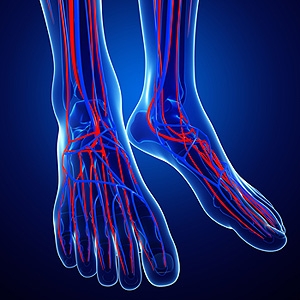
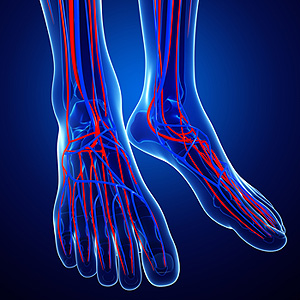 Poor circulation is a term used to refer to reduced or inadequate blood flow to one or more areas of the body. One condition that can cause poor circulation is peripheral artery disease (PAD), in which the arteries that supply blood to the limbs narrow and harden due to a buildup of plaque along the artery walls. Often, people with PAD are unaware that they have this condition because they do not experience any visible symptoms. However, once PAD has progressed, symptoms can become more apparent. Symptoms of poor circulation include numbness, coldness, and skin discoloration in the lower limbs, leg pain and cramping, and slow healing of wounds on the feet. A podiatrist can screen you for PAD and other circulatory problems that affect the lower limbs and can help you maintain the health of your feet.
Poor circulation is a serious condition and needs immediate medical attention. If you have any concerns with poor circulation in your feet contact Roy Rothman, DPM of Florida. Our doctor will treat your foot and ankle needs.
Poor Circulation in the Feet
Poor blood circulation in the feet and legs is can be caused by peripheral artery disease (PAD), which is the result of a buildup of plaque in the arteries.
Plaque buildup or atherosclerosis results from excess calcium and cholesterol in the bloodstream. This can restrict the amount of blood which can flow through the arteries. Poor blood circulation in the feet and legs are sometimes caused by inflammation in the blood vessels, known as vasculitis.
Causes
Lack of oxygen and oxygen from poor blood circulation restricts muscle growth and development. It can also cause:
Those who have diabetes or smoke are at greatest risk for poor circulation, as are those who are over 50. If you have poor circulation in the feet and legs it may be caused by PAD and is important to make changes to your lifestyle in order to reduce risk of getting a heart attack or stroke. Exercise and maintaining a healthy lifestyle will dramatically improve conditions.
As always, see a podiatrist as he or she will assist in finding a regimen that suits you. A podiatrist can also prescribe you any needed medication.
If you have any questions, please feel free to contact our office located in DeBary, FL . We offer the newest diagnostic and treatment technologies for all your foot care needs.


 Follow Us