
Roy A. Rothman, DPM, PA
Podiatric Medicine and SurgeonFoot & Ankle Specialist


Padel is a fast-growing racquet sport that blends elements of tennis and squash, played on a smaller enclosed court with quick directional changes and constant lateral movement. Because the game relies on rapid pivots, sudden stops, and explosive pushes off the foot, it places notable stress on the lower extremities. Many players develop issues such as ankle sprains from twisting on the enclosed court surface, peroneal tendon irritation from repeated side-to-side motions, or plantar fasciitis caused by continuous impact during rallies. Stress to the forefoot can also lead to metatarsalgia or aggravate bunions and hammertoes, especially in players wearing tight or unsupportive shoes. Early recognition of soreness, swelling, or instability is key, since untreated injuries can worsen quickly in such a dynamic sport. It is suggested that you see a podiatrist if ankle or foot pain persists, as prompt care helps maintain comfort, performance, and long-term foot health.
Sports related foot and ankle injuries require proper treatment before players can go back to their regular routines. For more information, contact Roy Rothman, DPM of Florida. Our doctor can provide the care you need to keep you pain-free and on your feet.
Sports Related Foot and Ankle Injuries
Foot and ankle injuries are a common occurrence when it comes to athletes of any sport. While many athletes dismiss the initial aches and pains, the truth is that ignoring potential foot and ankle injuries can lead to serious problems. As athletes continue to place pressure and strain the area further, a mild injury can turn into something as serious as a rupture and may lead to a permanent disability. There are many factors that contribute to sports related foot and ankle injuries, which include failure to warm up properly, not providing support or wearing bad footwear. Common injuries and conditions athletes face, including:
Sports related injuries are commonly treated using the RICE method. This includes rest, applying ice to the injured area, compression and elevating the ankle. More serious sprains and injuries may require surgery, which could include arthroscopic and reconstructive surgery. Rehabilitation and therapy may also be required in order to get any recovering athlete to become fully functional again. Any unusual aches and pains an athlete sustains must be evaluated by a licensed, reputable medical professional.
If you have any questions please contact our office located in DeBary, FL . We offer the newest diagnostic and treatment technologies for all your foot and ankle needs.
Foot and ankle injuries are common among people who participate in sports. Several factors contribute to this. They include failing to stretch or warm up properly, not wearing the proper type of shoe and not taping or providing other types of support for the ankle or foot. The most common foot and ankle injuries suffered by people involved in sports are plantar fasciitis, ankle sprains and Achilles tendon damage or ruptures. If not treated properly, they can lead to permanent disability.
Treating these injuries is relatively simple if they are identified and addressed early. Many athletes dismiss the initial aches and pains associated with injury as just soreness or tired muscles. Their first response is usually to try to work through it. This can lead to serious problems. Many minor injuries are made far more serious when athletes continue to put strain and pressure on them. That attitude can change a mild strain into a serious strain and a minor tear into a rupture. Athletes should have unusual aches and pains evaluated by a skilled medical professional.
Plantar fasciitis is a painful injury. It is inflammation of the plantar fascia, the thick band of tissue running from the heel to the base of the toes. If left untreated, it can lead to a degenerative disease called plantar fasciosis. There are several effective treatments for this ailment. Podiatrists often prescribe rest, massages, stretching, night splints, physical therapy, anti-inflammatory medication, corticosteroids or surgery, usually in that order. The most effective treatment for plantar fasciitis is orthotics, which offers foot support. Surgery is occasionally used as a last resort, but it comes with the risk of nerve damage and infection and often does not stop the pain.
The Achilles tendon is the largest tendon in the body. It connects the calf muscles to the heel bone. Running, jumping and walking all impact this tendon. Two common injuries to the Achilles tendon are tendonitis and a rupture of the tendon. Tendonitis is inflammation in the tendon often caused by an increase in the amount of stress placed on it. Non-surgical treatments include rest, ice or anti-inflammatory medication. A rupture (tear) of the Achilles tendon can be treated by placing the lower leg in a cast for several weeks or with surgery. Many podiatrists feel surgery is the better option because it lowers the risk of re-ruptures. Both methods require 4 to 6 months of rehabilitation.
Ankle sprains are the most common sports related foot and ankle injury. A sprain occurs when the ligament holding the ankle bones and joint stretches beyond its normal range. It can be treated non-surgically with a combination of rest, ice wrapped around the joint for 30 minutes immediately after injury, compression by a bandage and elevating the ankle above the heart for 48 hours. This combination is referred to as RICE. Severe ankle sprains in which the ligaments are torn may require reconstructive surgery followed by rehabilitation.


Bunions are a common foot condition where the tip of the big toe gradually shifts toward the smaller toes, creating a visible bump at the side of the foot. They are often caused by inherited foot structure, wearing improper footwear, arthritis, or repeated pressure on the joint. A bunion may look red, swollen, or enlarged and can feel tender, stiff, or painful, especially when walking or wearing narrow shoes. Some people experience burning sensations or limited toe movement. A podiatrist can help from the start by evaluating foot structure, gait, and joint alignment, sometimes using imaging to confirm the diagnosis. Non-surgical treatments may include footwear recommendations, padding, custom orthotics, and targeted exercises to reduce strain and improve comfort. Early management can slow progression, ease pain, and improve daily mobility. If you have a painful bunion, it is suggested that you schedule an appointment with a podiatrist for effective relief and treatment solutions.
If you are suffering from bunions, contact Roy Rothman, DPM of Florida. Our doctor can provide the care you need to keep you pain-free and on your feet.
What Is a Bunion?
A bunion is formed of swollen tissue or an enlargement of boney growth, usually located at the base joint of the toe that connects to the foot. The swelling occurs due to the bones in the big toe shifting inward, which impacts the other toes of the foot. This causes the area around the base of the big toe to become inflamed and painful.
Why Do Bunions Form?
Genetics – Susceptibility to bunions are often hereditary
Stress on the feet – Poorly fitted and uncomfortable footwear that places stress on feet, such as heels, can worsen existing bunions
How Are Bunions Diagnosed?
Podiatrists often perform two tests – blood tests and x-rays – when trying to diagnose bunions, especially in the early stages of development. Blood tests help determine if the foot pain is being caused by something else, such as arthritis, while x-rays provide a clear picture of your bone structure to your provider.
How Are Bunions Treated?
If you have any questions, please feel free to contact our office located in DeBary, FL . We offer the newest diagnostic and treatment technologies for all your foot care needs.
Bunions are large bony bumps at the base of the big toe. Medically known as hallux valgus, a bunion is a misalignment of the metatarsophalangeal joint, or big toe joint. The misalignment will generally worsen with time if left untreated.
The exact cause of bunions is unknown, with genetics seen as a potential cause. High heels and poorly-fitted footwear, rheumatoid arthritis, and heredity all seem to be potential factors behind the exacerbation of bunions. Women have been found to be more likely to develop bunions in comparison to men.
Bunions do not always produce symptoms. The best way to tell is if the big toe is pushing up against the next toe and there is a large protrusion at the base of the big toe. You may or may not feel pain. Redness, swelling, and restricted movement of the big toe may be present as well.
Podiatrists use a variety of methods to diagnose bunions. If there are symptoms present, podiatrists will first consider that it is a bunion. If not, a physical examination will be conducted to check function of the big toe. Finally, an X-ray may be taken to view the extent of the bunion and confirm it is a bunion.
Typically, nonsurgical methods are used to treat bunions, unless the bunion has become too misaligned. Orthotics, icing and resting the foot, roomier and better fitted shoes, taping the foot, and pain medication are usually utilized first. If the bunion doesn’t go away or causes extreme pain, surgery may be required. Surgeons will either remove part of the swollen tissue or bone to straighten the toe out.
If you have a bunion, it is recommended to see a podiatrist. The longer it is left untreated, the worse it may get. Podiatrists can properly diagnose and treat a bunion before it gets worse.


Athlete’s foot is a fungal infection that forms when fungus grows on the skin of the feet, especially in warm and damp spaces between the toes. It can affect people of all ages. The risk of athlete’s foot increases when people walk barefoot in shared locker rooms, wear heavy boots for long hours, sweat excessively, or have circulation problems. Tight shoes that lack adequate support or worn-out flip-flops can trap moisture around the toes. Symptoms of athlete's foot include itching, peeling skin, redness, and soft, whitish areas between the toes. In some cases, small blisters can form on the inner foot or dry scaling may develop along the sole. A podiatrist can examine the infected area, confirm the cause, and guide a treatment that helps clear the infection and prevent complications. If you have an athlete's foot infection, it is suggested that you make an appointment with a podiatrist for a diagnosis and treatment.
Athlete’s foot is an inconvenient condition that can be easily reduced with the proper treatment. If you have any concerns about your feet and ankles, contact Roy Rothman, DPM from Florida. Our doctor will treat your foot and ankle needs.
Athlete’s Foot: The Sole Story
Athlete's foot, also known as tinea pedis, can be an extremely contagious foot infection. It is commonly contracted in public changing areas and bathrooms, dormitory style living quarters, around locker rooms and public swimming pools, or anywhere your feet often come into contact with other people.
Solutions to Combat Athlete’s Foot
Athlete’s foot can cause many irritating symptoms such as dry and flaking skin, itching, and redness. Some more severe symptoms can include bleeding and cracked skin, intense itching and burning, and even pain when walking. In the worst cases, Athlete’s foot can cause blistering as well. Speak to your podiatrist for a better understanding of the different causes of Athlete’s foot, as well as help in determining which treatment options are best for you.
If you have any questions please feel free to contact our office located in DeBary, FL . We offer the newest diagnostic and treatment technologies for all your foot and ankle needs.
Athlete’s foot, or tinea pedis, is a skin disease caused by a fungal infection. The infection typically occurs between the toes, and the feet are most subject to this disease because shoes best create the warm, dark, and moist environment in which fungus thrives. Other areas that create a similar environment, such as swimming pools, public showers, and locker rooms; can also promote fungi growth.
Symptoms of athlete’s foot include dry skin, itching, scaling, inflammation, and blistering. Sometimes, blisters can evolve into the cracks or breaks in the skin. The exposed tissue can then create pain, swelling, and discharge. The spread of infection can cause itching and burning as well.
While athlete’s foot commonly occurs between the toes, it may also spread to the toenails or soles of the feet. Other parts of the body, such as the groin or underarms, can also become infected if they are touched after the original area of infection is scratched. Aside from physical contact, athlete’s foot can also spread through the contamination of footwear, clothing or bedsheets.
Proper foot hygiene is essential in preventing athlete’s foot. You can prevent the fungus from spreading by frequently washing your feet using soap and water, thoroughly drying the feet between the toes, changing shoes and socks every day to reduce moisture, and ensuring that bathroom and shower floors are disinfected. Other tips include using shower shoes, avoiding walking barefoot in public environments, wearing light and airy shoes, and wearing socks that keep the feet dry.
While treatment for athlete’s foot can involve topical or oral antifungal drugs, mild cases of the infection can be treated by dusting foot powder in shoes and socks. Any treatment used can be supplemented by frequently bathing the feet and drying the toes. If proper foot hygiene and self-care do not ease your case of athlete’s foot, contact your podiatrist. He will determine if the underlying cause of your condition is truly a fungus. If that is the case, a comprehensive treatment plan may be suggested with the inclusion of prescription antifungal medications.
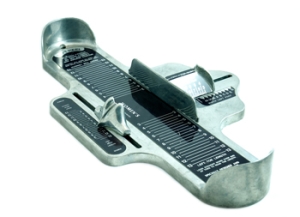

Properly measuring your shoe size is essential for comfort, support, and foot health. The most accurate method involves using a Brannock device, a specialized tool designed to measure the length, width, and arch length of your foot. This ensures that your shoes fit properly and reduces the risk of blisters, bunions, or other foot problems caused by wearing ill-fitting footwear. A podiatrist can help guide you through the measurement process, assess your foot structure, and recommend shoes that support your unique shape and gait. Regular measurements are important, especially as feet can change over time due to age, weight, or activity level. If you have foot pain from wearing the wrong size shoes, it is suggested that you consult a podiatrist who can treat various foot conditions, and offer additional information about the importance of proper shoe fitting.
Getting the right shoe size is an important part of proper foot health. Seek the assistance of Roy Rothman, DPM from Florida. Our doctor will provide the care you need to keep you pain-free and on your feet.
Getting the Right Shoe Size
There are many people who wear shoes that are the incorrect size, negatively affecting their feet and posture. Selecting the right shoes is not a difficult process, so long as you keep several things in mind when it comes to choosing the right pair.
As our feet hold our body weight and keep us moving, it is important to treat them right. Picking the right pair of shoes can provide your feet comfort and mobility without pain.
If you have any questions, please feel free to contact our office located in DeBary, FL . We offer the newest diagnostic and treatment technologies for all your foot care needs.
People are constantly wearing improperly-fitting shoes. Though it isn’t hard, picking the right shoes does require keeping a few things in mind.
Shoe stores have rulers so you can get an exact measurement of your feet. Be sure to always measure your feet with your shoes on. Measuring just your foot will give you a shoe size that is 1-2 inches too small for picking the right size shoe.
To ensure that your toes won’t be cramped, make sure there is wiggle room. Approximately one inch should be between your toes and the tip of your shoe. It is easy to tell if your shoes are too tight, because you will start to experience pain, blisters, and swelling.
Additionally, do not always assume your shoe size will be the same at every store. Manufacturers sometimes run differently, and your size will vary from brand to brand. Make sure the stores you purchase from have return policies, in case there is a problem.
Rather than shoe shopping in the morning, it is advised to shop for shoes later in the day. Your feet will swell as the day passes. If shoes are purchased in the morning, they may not be as snug as they should be. Furthermore, not all two feet are the same size. Therefore, accommodations may be necessary.
An overall concern in buying shoes is making sure they are comfortable and supportive. There is no such thing as a shoe being ‘broken in’. If they are uncomfortable at the store, they likely will always be uncomfortable.
Since we do a lot of walking, it is important that we pick the right shoes. Our feet will benefit from this, and we will be happier and healthier because of it.


Plantar warts are small growths that develop on parts of the feet that bear weight. They're typically found on the bottom of the foot. Don't live with plantar warts, and call us today!
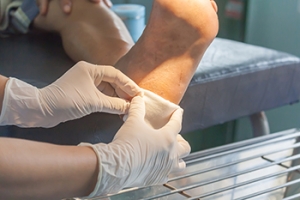

Foot wound care is essential for preventing infection and protecting long-term mobility. There are a number of types of wounds. A diabetic foot ulcer develops from poor circulation and nerve damage. A pressure ulcer is caused by prolonged pressure on bony areas. Venous ulcers are related to vein disease, and traumatic wounds result from injuries or accidents. Each type requires careful evaluation and a focused treatment plan to support proper healing. A podiatrist can assess the wound, manage infection, improve circulation, and provide advanced treatments that promote healthy tissue recovery. With regular monitoring and specialized care, many serious complications can be avoided. If you or a loved one has a foot wound, it is suggested that you promptly consult a podiatrist who can provide appropriate treatment solutions.
Wound care is an important part in dealing with diabetes. If you have diabetes and a foot wound or would like more information about wound care for diabetics, consult with Roy Rothman, DPM from Florida. Our doctor will assess your condition and provide you with quality foot and ankle treatment.
What Is Wound Care?
Wound care is the practice of taking proper care of a wound. This can range from the smallest to the largest of wounds. While everyone can benefit from proper wound care, it is much more important for diabetics. Diabetics often suffer from poor blood circulation which causes wounds to heal much slower than they would in a non-diabetic.
What Is the Importance of Wound Care?
While it may not seem apparent with small ulcers on the foot, for diabetics, any size ulcer can become infected. Diabetics often also suffer from neuropathy, or nerve loss. This means they might not even feel when they have an ulcer on their foot. If the wound becomes severely infected, amputation may be necessary. Therefore, it is of the upmost importance to properly care for any and all foot wounds.
How to Care for Wounds
The best way to care for foot wounds is to prevent them. For diabetics, this means daily inspections of the feet for any signs of abnormalities or ulcers. It is also recommended to see a podiatrist several times a year for a foot inspection. If you do have an ulcer, run the wound under water to clear dirt from the wound; then apply antibiotic ointment to the wound and cover with a bandage. Bandages should be changed daily and keeping pressure off the wound is smart. It is advised to see a podiatrist, who can keep an eye on it.
If you have any questions please contact our office located in DeBary, FL . We offer the newest diagnostic and treatment technologies for all your foot and ankle needs.


 Follow Us