
Roy A. Rothman, DPM, PA
Podiatric Medicine and SurgeonFoot & Ankle Specialist

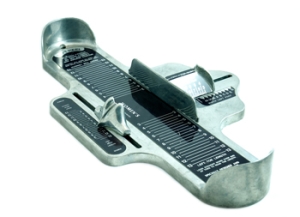

Properly measuring your shoe size is essential for comfort, support, and foot health. The most accurate method involves using a Brannock device, a specialized tool designed to measure the length, width, and arch length of your foot. This ensures that your shoes fit properly and reduces the risk of blisters, bunions, or other foot problems caused by wearing ill-fitting footwear. A podiatrist can help guide you through the measurement process, assess your foot structure, and recommend shoes that support your unique shape and gait. Regular measurements are important, especially as feet can change over time due to age, weight, or activity level. If you have foot pain from wearing the wrong size shoes, it is suggested that you consult a podiatrist who can treat various foot conditions, and offer additional information about the importance of proper shoe fitting.
Getting the right shoe size is an important part of proper foot health. Seek the assistance of Roy Rothman, DPM from Florida. Our doctor will provide the care you need to keep you pain-free and on your feet.
Getting the Right Shoe Size
There are many people who wear shoes that are the incorrect size, negatively affecting their feet and posture. Selecting the right shoes is not a difficult process, so long as you keep several things in mind when it comes to choosing the right pair.
As our feet hold our body weight and keep us moving, it is important to treat them right. Picking the right pair of shoes can provide your feet comfort and mobility without pain.
If you have any questions, please feel free to contact our office located in DeBary, FL . We offer the newest diagnostic and treatment technologies for all your foot care needs.
People are constantly wearing improperly-fitting shoes. Though it isn’t hard, picking the right shoes does require keeping a few things in mind.
Shoe stores have rulers so you can get an exact measurement of your feet. Be sure to always measure your feet with your shoes on. Measuring just your foot will give you a shoe size that is 1-2 inches too small for picking the right size shoe.
To ensure that your toes won’t be cramped, make sure there is wiggle room. Approximately one inch should be between your toes and the tip of your shoe. It is easy to tell if your shoes are too tight, because you will start to experience pain, blisters, and swelling.
Additionally, do not always assume your shoe size will be the same at every store. Manufacturers sometimes run differently, and your size will vary from brand to brand. Make sure the stores you purchase from have return policies, in case there is a problem.
Rather than shoe shopping in the morning, it is advised to shop for shoes later in the day. Your feet will swell as the day passes. If shoes are purchased in the morning, they may not be as snug as they should be. Furthermore, not all two feet are the same size. Therefore, accommodations may be necessary.
An overall concern in buying shoes is making sure they are comfortable and supportive. There is no such thing as a shoe being ‘broken in’. If they are uncomfortable at the store, they likely will always be uncomfortable.
Since we do a lot of walking, it is important that we pick the right shoes. Our feet will benefit from this, and we will be happier and healthier because of it.


Plantar warts are small growths that develop on parts of the feet that bear weight. They're typically found on the bottom of the foot. Don't live with plantar warts, and call us today!
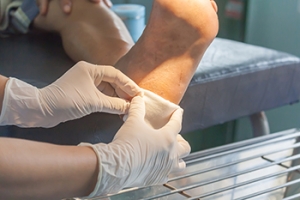

Foot wound care is essential for preventing infection and protecting long-term mobility. There are a number of types of wounds. A diabetic foot ulcer develops from poor circulation and nerve damage. A pressure ulcer is caused by prolonged pressure on bony areas. Venous ulcers are related to vein disease, and traumatic wounds result from injuries or accidents. Each type requires careful evaluation and a focused treatment plan to support proper healing. A podiatrist can assess the wound, manage infection, improve circulation, and provide advanced treatments that promote healthy tissue recovery. With regular monitoring and specialized care, many serious complications can be avoided. If you or a loved one has a foot wound, it is suggested that you promptly consult a podiatrist who can provide appropriate treatment solutions.
Wound care is an important part in dealing with diabetes. If you have diabetes and a foot wound or would like more information about wound care for diabetics, consult with Roy Rothman, DPM from Florida. Our doctor will assess your condition and provide you with quality foot and ankle treatment.
What Is Wound Care?
Wound care is the practice of taking proper care of a wound. This can range from the smallest to the largest of wounds. While everyone can benefit from proper wound care, it is much more important for diabetics. Diabetics often suffer from poor blood circulation which causes wounds to heal much slower than they would in a non-diabetic.
What Is the Importance of Wound Care?
While it may not seem apparent with small ulcers on the foot, for diabetics, any size ulcer can become infected. Diabetics often also suffer from neuropathy, or nerve loss. This means they might not even feel when they have an ulcer on their foot. If the wound becomes severely infected, amputation may be necessary. Therefore, it is of the upmost importance to properly care for any and all foot wounds.
How to Care for Wounds
The best way to care for foot wounds is to prevent them. For diabetics, this means daily inspections of the feet for any signs of abnormalities or ulcers. It is also recommended to see a podiatrist several times a year for a foot inspection. If you do have an ulcer, run the wound under water to clear dirt from the wound; then apply antibiotic ointment to the wound and cover with a bandage. Bandages should be changed daily and keeping pressure off the wound is smart. It is advised to see a podiatrist, who can keep an eye on it.
If you have any questions please contact our office located in DeBary, FL . We offer the newest diagnostic and treatment technologies for all your foot and ankle needs.
Diabetics must be wary of all wounds, regardless of depth or size. Diabetes, a chronic disease in which the body cannot properly use glucose the way it normally would, causes various complications that make wounds difficult to heal. Nerve damage or neuropathy will cause diabetics to have trouble feeling the pain of a blister or cut until the condition has significantly worsened or become infected. A diabetic’s weakened immune system can make even the most minor of wounds easily susceptible to infection. Diabetics are also more prone to developing narrow, clogged arteries, and are therefore more likely to develop wounds.
Wounds should be taken care of immediately after discovery, as even the smallest of wounds can become infected if enough bacteria build up within the wound. To remove dirt, wounds should be first rinsed under running water only. Soap, hydrogen peroxide, or iodine can irritate the injury and should be avoided. To prevent infection, apply antibiotic ointment to the wound and cover it with a bandage. The bandage should be changed daily. The skin around the wound may be cleaned with soap.
To prevent further exacerbation, see a doctor—especially if you have diabetes. Minor skin conditions can become larger problems if not properly inspected. As the wound heals, make sure to avoid applying pressure to the affected area.


Cracked heels occur when the skin on the heel becomes dry, thick, and unable to stretch, which leads to splitting and discomfort. Vitamin deficiencies can play a major role. Vitamin E supports skin repair and moisture, vitamin C promotes collagen production for strong healthy skin, and B vitamins help maintain proper cell growth and prevent dryness. When any of these are low, the skin is more likely to break down. A podiatrist can evaluate the cause of your cracked heels, remove thick skin safely, recommend moisturizers, and guide you on proper nutrition and foot care. If cracked heels are causing pain or embarrassment, it is suggested that you schedule an appointment with a podiatrist for effective treatment and lasting relief, which may include prescribed medication.
Cracked heels are unsightly and can cause further damage to your shoes and feet. If you have any concerns, contact Roy Rothman, DPM from Florida. Our doctor can provide the care you need to keep you pain-free and on your feet.
Cracked Heels
Cracked heels appear unappealing and can make it harder for you walk around in sandals. Aside from looking unpleasant, cracked heels can also tear stockings, socks, and wear out your shoes. There are several methods to help restore a cracked heel and prevent further damage.
How Do You Get Them?
Dry skin is the number one culprit in creating cracked heels. Many athletes, walkers, joggers, and even swimmers suffer from cracked heels. Age and skin oil production play a role to getting cracked heels as well.
Promote Healing
Over the counter medicines can help, especially for those that need instant relief or who suffer from chronic dry feet.
Wear Socks – Wearing socks with medicated creams helps lock in moisture.
Moisturizers – Applying both day and night will help alleviate dryness which causes cracking.
Pumice Stones – These exfoliate and remove dead skin, which allows for smoother moisturizer application and better absorption into the skin.
Change in Diet
Eating healthy with a well-balanced diet will give the skin a fresh and radiant look. Your body responds to the kinds of food you ingest. Omega-3 fatty acids and zinc supplements can also revitalize skin tissue.
Most importantly, seek professional help if unsure how to proceed in treating cracked heels. A podiatrist will help you with any questions or information needed.
If you have any questions, please feel free to contact our office located in DeBary, FL . We offer the newest diagnostic and treatment technologies for all your foot care needs.
Cracked heels may make you want to think twice about showing off your feet in warmer weather. However, cracked heels may be harmful to more than just the appearance of your feet. If deep fissures and cracks develop in your heels, they may make walking and standing painful for you. Additionally, these openings make way for germs to enter through your skin and cause infection.
There are several different causes of cracked heels. One of the most common reasons for this ailment is dry skin. This problem may make your keeps feel rough tight and itchy. Dry skin may be caused by cold air, extremely hot water, harsh soaps, and aging. Skin disorders such as eczema and psoriasis may eventually lead to dry skin. In some cases, complications may arise from cracked heels. Some of these complications are a loss of feeling in the heel, cellulitis, or a diabetic foot ulcer.
There are ways you can try to prevent getting cracked heels. One of the best ways to do so is to avoid wearing flip flops and sandals because these shoes increase your risk of drying out your feet. You should also avoid wearing shoes with a tall skinny heel, because these shoes cause your heel to expand sideways. At night, you should slather on a thick moisturizing cream on your feet and then cover them in socks to keep your feet moisturized overnight. Drinking water to stay hydrated is also a good way to ensure that your skin doesn’t become dry.
If you suffer from a severe case of cracked feet, you should make an appointment with your podiatrist to see what treatment methods are best for you.


Walking is a complex movement that relies on proper alignment and coordination of the feet, ankles, and legs. When foot pain develops, it can alter normal biomechanics, causing changes in gait and posture that place stress on other joints. Common causes include plantar fasciitis, arthritis, flat feet, or injury to soft tissues. Symptoms include aching, stiffness, or sharp pain that worsens with activity. Over time, these changes can lead to limping, uneven wear on shoes, or discomfort in the knees, hips, and lower back. The foot may appear swollen or misaligned, and walking may feel awkward or unstable. A podiatrist can assess gait and foot structure through examination, imaging, and biomechanical analysis. Treatment may include custom orthotics, footwear recommendations, and stretching programs to relieve pain and restore natural movement. If foot pain is affecting how you walk, it is suggested that you make an appointment with a podiatrist to prevent further complications and maintain healthy mobility.
If you have any concerns about your feet, contact Roy Rothman, DPM from Florida. Our doctor can provide the care you need to keep you pain-free and on your feet.
Biomechanics in Podiatry
Podiatric biomechanics is a particular sector of specialty podiatry with licensed practitioners who are trained to diagnose and treat conditions affecting the foot, ankle and lower leg. Biomechanics deals with the forces that act against the body, causing an interference with the biological structures. It focuses on the movement of the ankle, the foot and the forces that interact with them.
A History of Biomechanics
Modern technological improvements are based on past theories and therapeutic processes that provide a better understanding of podiatric concepts for biomechanics. Computers can provide accurate information about the forces and patterns of the feet and lower legs.
Understanding biomechanics of the feet can help improve and eliminate pain, stopping further stress to the foot.
If you have any questions please feel free to contact our office located in DeBary, FL . We offer the newest diagnostic and treatment technologies for all your foot and ankle needs.
Biomechanics and its related study deal with the forces that act against the body and affect things like our movement. In podiatry, biomechanics are studied to determine the movement of the ankle, toes, and the foot, as well as the forces that impact them. Podiatrists who train in this specialty are able to effectively diagnose and treat conditions that affect people’s everyday movement.
Regardless of your lifestyle, age, or any other factors, many people experience foot problems throughout their lives. Twists and turns, improper balance, and added weight are just a few of the things that can add stress to the feet. These issues can also limit our bodies’ mobility that we often take for granted. Pain in the feet and ankles can also trickle up towards the lower legs, knees, hip, and even back area. This affects the way you move around on a daily basis.
Biomechanics and its related study deal with forces that act against the body and affect things like our movement. In podiatry, biomechanics are studied to determine the movement of the ankle, toes, and the foot, as well as the forces that impact them. Podiatrists who train in this specialty are able to effectively diagnose and treat conditions that affect people’s everyday movement.
Regardless of your lifestyle, age, or any other factors, many people experience foot problems throughout their lives. Twists and turns, improper balance, and added weight are just a few of the things that can add stress to the feet. These issues can also limit our bodies’ mobility that we often take for granted. Pain in the feet and ankles can also trickle up towards the lower legs, knees, hip, and even back area. This affects the way you move around on a daily basis.
The history of studying biomechanics dates back to ancient Egypt at around 3000 B.C., where evidence of professional foot care has been recorded. Throughout the centuries, advances in technology, science, and an understanding of the human body led to more accurate diagnosis of conditions such as corns for example. In 1974, biomechanics garnered a large audience when Merton Root founded Root Lab to make custom orthotics. He proposed that corrections of certain conditions could be implemented to gain strength and coordination in the area. Due to his research, we still use his basic principle of foot orthotics to this day.
As technology has improved, so have the therapeutic processes that allow us to correct deficiencies in our natural biomechanics. Computers can now provide accurate readings of the forces, movements, and patterns of the foot and lower leg. Critical treatment options can be provided to patients now who suffer from problems that cause their biomechanics to not function naturally. The best results are now possible thanks to 3D modeling and computing technologies that can take readings and also map out what treatment will do to the affected areas.
These advanced corrective methods were able to come to light thanks to an increase in both the technologies surrounding biomechanics and also the knowledge of how they work naturally. For example, shoe orthotics are able to treat walking inabilities by realigning the posture deviations in patients caused by hip or back problems. Understanding foot biomechanics can help improve movement and eliminate pain, stopping further stress to the foot. Speak with your podiatrist if you have any of these problems.
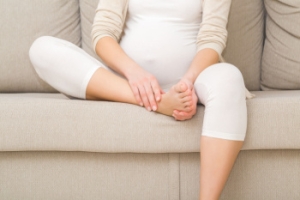

Pregnancy can bring significant changes to the feet, causing discomfort and affecting mobility. Weight gain and hormonal shifts can lead to swelling, low arches, and a flattened foot shape. Changes in the center of gravity may cause an unsteady gait, increasing the risk of falls. Swelling can create tightness and discomfort in shoes, while low arches may contribute to foot fatigue and pain. These issues often result from increased body mass, fluid retention, and ligament laxity caused by pregnancy hormones. A podiatrist can help by assessing foot structure, recommending supportive footwear or orthotics, providing exercises to strengthen the feet, and other solutions for managing pain. If you have foot pain during your pregnancy, it is suggested that you consult a podiatrist who can guide you toward effective relief tips.
Pregnant women with swollen feet can be treated with a variety of different methods that are readily available. For more information about other cures for swollen feet during pregnancy, consult with Roy Rothman, DPM from Florida. Our doctor will attend to all of your foot and ankle needs.
What Foot Problems Can Arise During Pregnancy?
One problem that can occur is overpronation, which occurs when the arch of the foot flattens and tends to roll inward. This can cause pain and discomfort in your heels while you’re walking or even just standing up, trying to support your baby.
Another problem is edema, or swelling in the extremities. This often affects the feet during pregnancy but tends to occur in the later stages.
How Can I Keep My Feet Healthy During Pregnancy?
If you have any questions, please feel free to contact our office located in DeBary, FL . We offer the newest diagnostic and treatment technologies for all your foot care needs.


 Follow Us